Last updated on 2026-04-20



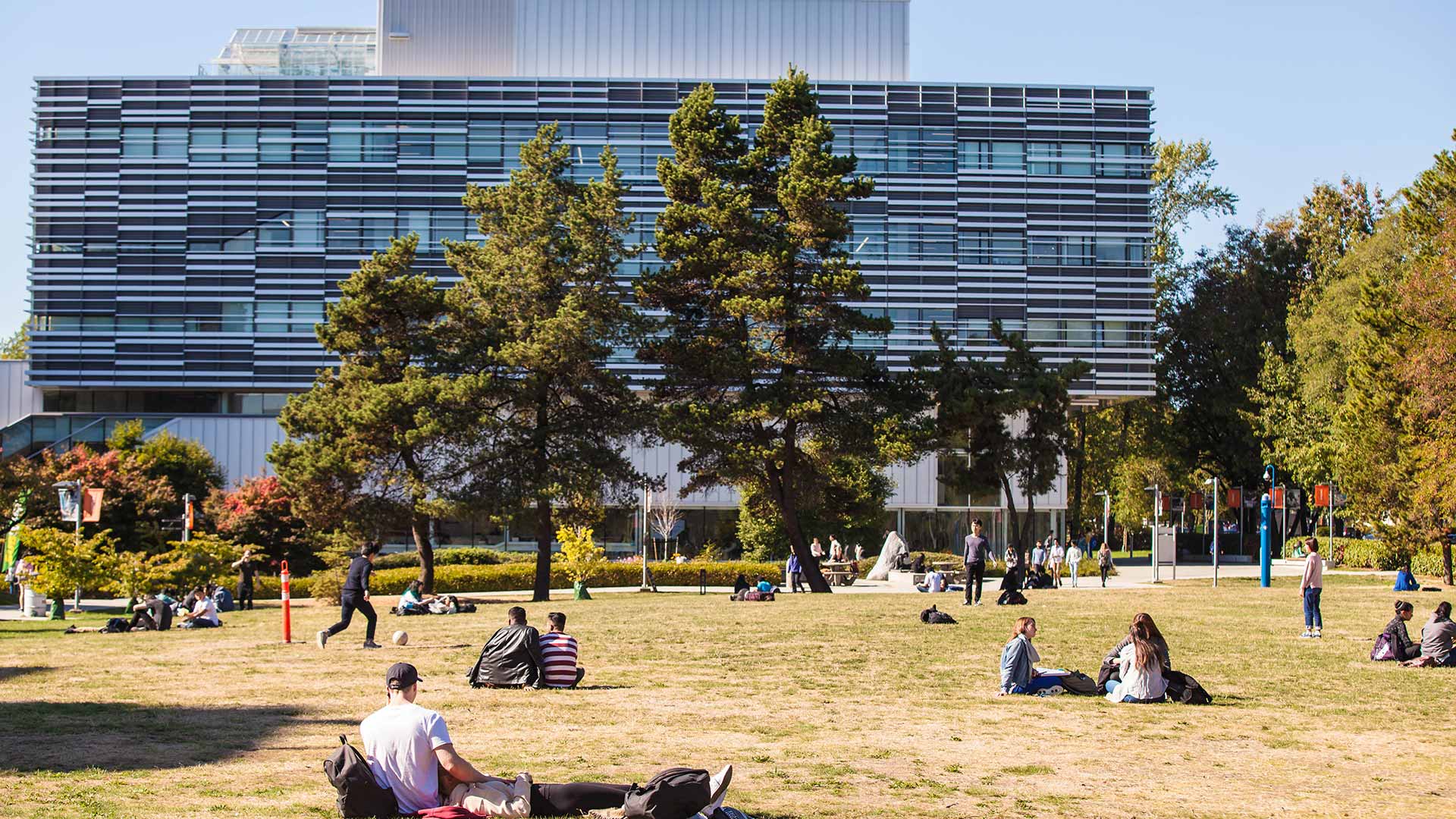








Program overview
The Associate of Science Degree in Food and Nutrition (ASFN) offers a comprehensive education focusing on food, nutrition, and health. This program is tailored to fulfill the prerequisites for various food and nutrition programs at universities across Canada. It serves as a common entry point for students aiming to transfer to UBC's nutrition programs, particularly for those interested in pursuing Dietetics. The program emphasizes a broad understanding of arts and sciences, ensuring students are well-prepared for further studies in the field.
Program structure
The Associate of Science Degree in Food and Nutrition is designed to be completed in a minimum of 2 years. Students have the flexibility to choose between full-time and part-time study options, allowing them to tailor their education to fit their personal and professional commitments. The program starts in three different intakes: January, May, and September, providing ample opportunities for students to begin their studies at a time that suits them best.
Key features of the program structure include:
- Open enrolment, making it accessible for a wide range of students.
- Transfer opportunities to UBC's nutrition programs, enhancing academic pathways.
- Emphasis on a well-rounded education in both arts and sciences.
Featured Experiences
The Associate of Science Degree in Food and Nutrition offers several unique experiences that enhance the learning journey:
- Co-op opportunities that allow students to gain practical experience in the field.
- Field experiences that provide real-world applications of classroom knowledge.
- Joint partner programs with universities, facilitating smooth transitions for further studies.
- Access to resources and support from faculty who are experts in food and nutrition.
Career Options
Graduates of the Associate of Science Degree in Food and Nutrition can pursue a variety of career paths in Canada, including:
- Nutritionist: Provide dietary advice and create nutrition plans for individuals and groups.
- Food Service Manager: Oversee operations in food service establishments, ensuring quality and compliance with health regulations.
- Health Educator: Develop programs and materials to educate the public about nutrition and healthy eating habits.
- Dietetic Technician: Assist dietitians in implementing nutrition programs and managing patient care.
- Food Safety Inspector: Ensure that food products meet safety standards and regulations, conducting inspections and assessments.
DISCLAIMER: The information above is subject to change. For the latest updates, please contact LOA Portal's advisors.
Visit Langara College official website