Last updated on 2026-10-05



































Program overview
The Master of Science in Nutrition and Food Biosciences is designed to develop advanced research competencies to tackle contemporary challenges in the fields of nutrition and food sciences. This interdisciplinary program emphasizes the continuum from food processing to health and wellness, providing students with a comprehensive understanding of the chemical composition and physical characteristics of foods. Students will explore the role of nutrition in promoting health and preventing nutrition-related illnesses, focusing on clinical and public health nutrition, food sciences, and cellular and molecular nutrition. The program aims to equip graduates with the skills necessary to communicate the significance of good nutrition in maintaining health and managing diet-related diseases.
Program structure
The Master of Science in Nutrition and Food Biosciences is a 24-month program that requires full-time registration. The program is structured as follows:
- Completion of compulsory courses and optional courses.
- Involvement in a thesis project that includes a research proposal and the final thesis.
- Students may have the opportunity to engage in an experiential learning internship placement.
This program is designed to provide students with a robust foundation in nutrition and food biosciences, preparing them for advanced research and professional practice in the field. The curriculum is flexible, allowing students to tailor their learning experience according to their interests and career goals.
Featured Experiences
- Students will engage in a thesis project that involves original research under faculty supervision.
- The program offers an experiential learning internship placement, allowing students to apply their knowledge in real-world settings.
- Research opportunities in three main areas: Clinical and Public Health Nutrition, Food Sciences, and Cellular and Molecular Nutrition.
- Access to cutting-edge research facilities and collaboration with various research institutes.
- Students will develop skills in critical evaluation of scientific literature and effective communication of scientific information.
Career Options
- Clinical Nutritionist: Work with patients to develop personalized nutrition plans that promote health and manage diseases.
- Public Health Nutritionist: Focus on community health initiatives, addressing nutrition-related issues at the population level.
- Food Scientist: Conduct research on food products, improving their safety, quality, and nutritional value.
- Nutrition Researcher: Engage in academic or industry research, contributing to advancements in nutrition science.
- Regulatory Affairs Specialist: Ensure compliance with food safety regulations and policies, working with government agencies and food companies.
DISCLAIMER: The information above is subject to change. For the latest updates, please contact LOA Portal's advisors.
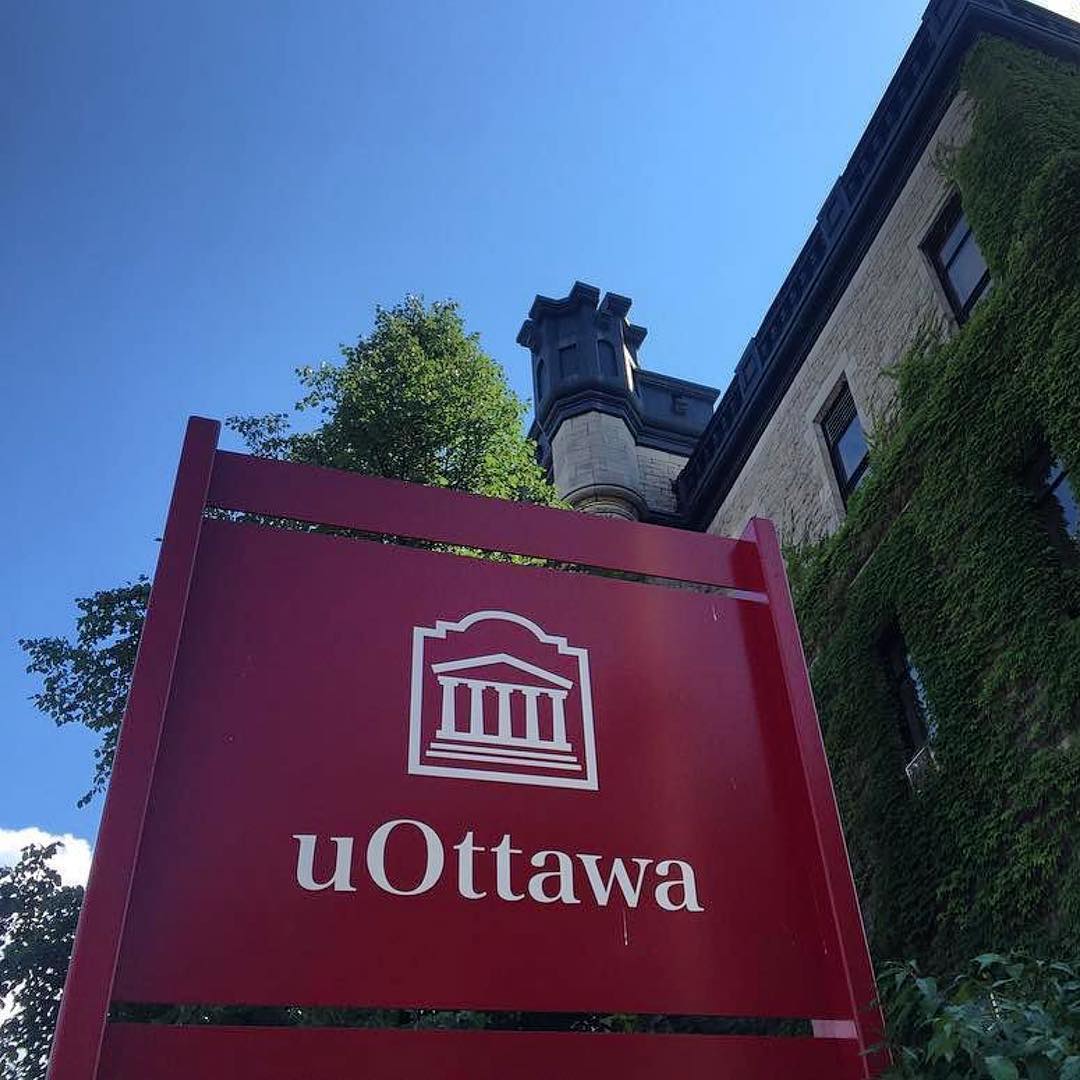
Visit University of Ottawa official website