Last updated on 2025-12-05



Program Overview
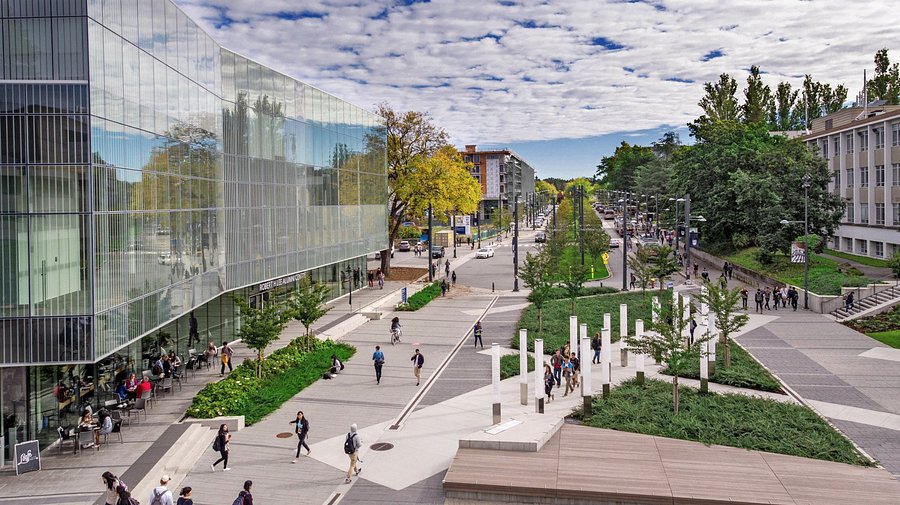
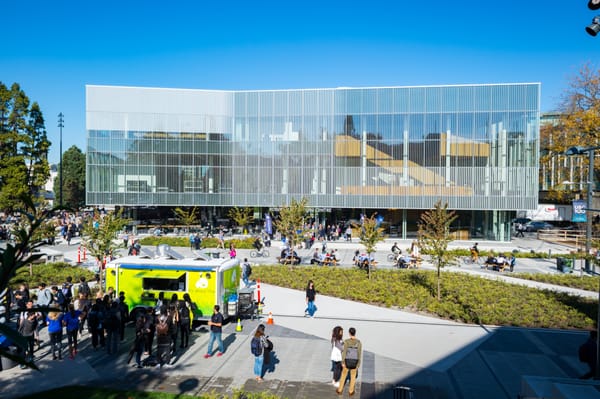
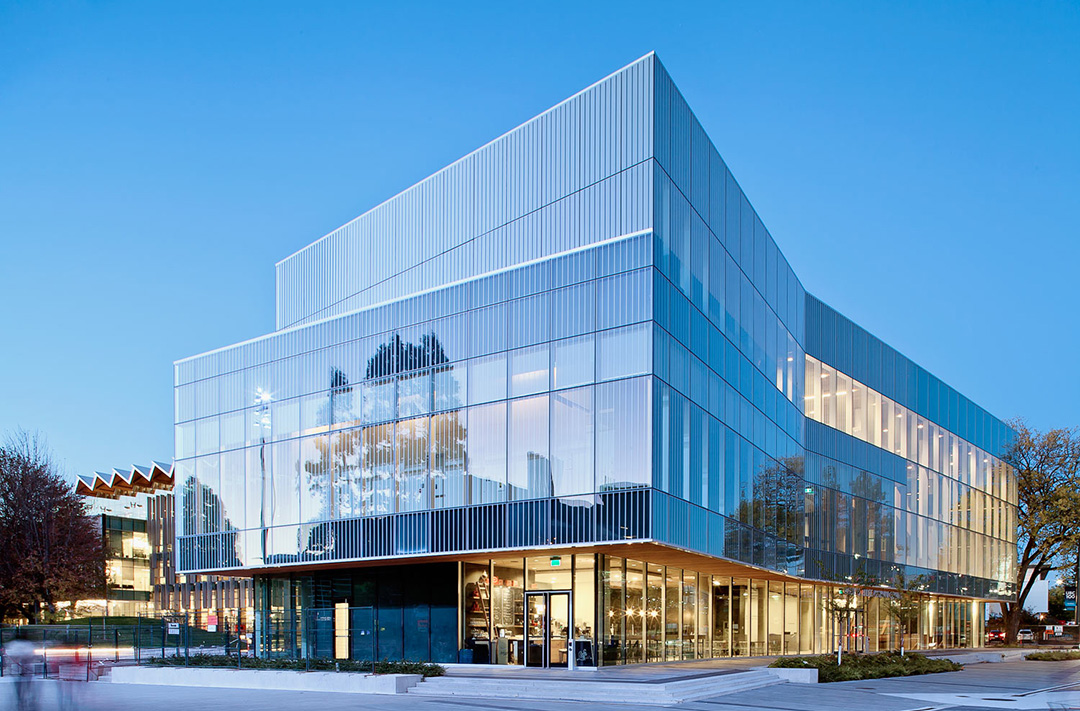
The Bachelor of Science in Food, Nutrition, and Health program at the University of British Columbia (UBC) offers students a unique opportunity to explore the intricate connections between food, nutrition, and health. Located on the vibrant Vancouver campus, this program allows students to customize their degree by studying a broad range of topics related to applied nutrition and the science of nutrition. With access to both Food Science and Nutritional Sciences courses, students can tailor their educational journey to align with their passions and career aspirations. The program emphasizes the importance of food production, food security, and the role of nutrition in disease prevention, preparing graduates for impactful careers in the food and health sectors.
Program Structure
The Bachelor of Science in Food, Nutrition, and Health program is designed to be completed in 4 years. This program offers a flexible structure that allows students to customize their learning experience through a variety of electives and dual degree options. Key features of the program include:
- Co-op opportunities that enable students to gain practical experience through full-time, paid work at local and international organizations.
- The ability to pursue dual degrees with Bachelor of Education or Master of Management.
- Access to a wide range of electives to complement the core curriculum.
- Experiential learning opportunities through community engagement projects and co-op placements.
Students will benefit from hands-on experiences in UBC’s culinary lab, Vij’s Kitchen, where they can create healthy meals and study the linkages between food and nutrition. The program also encourages participation in research through upper-level courses and practicums, enhancing the overall educational experience.
Featured Experiences
The Food, Nutrition, and Health program at UBC offers several unique experiences that enrich the learning journey:
- Hands-on learning in UBC’s culinary lab, Vij’s Kitchen, focusing on healthy meal preparation and multicultural cuisine.
- Opportunities for community engagement projects that integrate classroom learning with real-world applications.
- Co-op placements that provide valuable industry experience and career mentorship.
- Access to state-of-the-art facilities, including culinary and sensory labs, food engineering and processing labs, and clinical nutrition labs.
- Participation in research projects within the FNH laboratories, allowing students to contribute to innovative studies in food science and nutrition.
Career Options
Graduates of the Bachelor of Science in Food, Nutrition, and Health program have a wide array of career options available to them in Canada. Some potential job roles include:
- Policy Analyst: Work with government agencies or organizations to develop and analyze policies related to public health and nutrition.
- Nutritionist: Provide dietary advice and nutrition education to individuals and groups, helping them achieve their health goals.
- Food Systems Manager: Oversee food production and distribution processes, ensuring quality and sustainability in food systems.
- Clinical Research Coordinator: Manage clinical trials and research studies focused on nutrition and health outcomes.
- Product Development Specialist: Collaborate with food companies to create and improve food products, focusing on nutrition and consumer preferences.
These roles highlight the diverse opportunities available to graduates, allowing them to make significant contributions to the fields of food, nutrition, and health.
DISCLAIMER: The information above is subject to change. For the latest updates, please contact LOA Portal's advisors.
Visit UBC - The University of British Columbia official website