Last updated on 2025-12-05

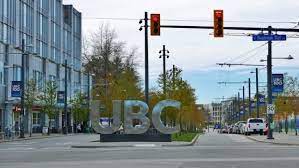
Program Overview
The Bachelor of Kinesiology with a focus on Neuromechanical and Physiological Sciences at UBC's Vancouver campus is designed to equip students with a comprehensive understanding of human movement. This program emphasizes core courses in general health, biomechanics, anatomy, physiology, motor learning, psychology, sociology, and physical education. Students will have the opportunity to specialize in the final two years, preparing them for kinesiologist certification and advanced studies in human movement science, health, and fitness.
Program Structure
The Bachelor of Kinesiology program is structured to provide a robust educational experience over a 4-year period. Key features of the program include:
- Core courses in various disciplines related to kinesiology.
- Specialization in the final two years of study.
- Experiential learning opportunities through research and practical applications.
- Accreditation by the Canadian Council of University Physical Education and Kinesiology Administrators (CCUPEKA).
While there is no co-op option, students can combine their studies with full-time, paid work at top local and international organizations. The program also does not offer an honours option, but it allows for intense specialization in a single field.
Featured Experiences
The Bachelor of Kinesiology program offers a variety of unique experiences that enhance learning and professional development:
- Access to 13 research laboratories, including specialized facilities such as the Health and Integrative Physiology Laboratory and the Human Neurophysiology Laboratory.
- Opportunities for job and volunteer placements, outreach programs, and mentorship.
- Engagement in career fairs and lab crawls to connect with industry professionals.
- Participation in the Kinesiology Undergraduate Society for networking and support.
Career Options
Graduates of the Bachelor of Kinesiology program can pursue a wide range of career opportunities in Canada, including:
- Kinesiologist: Work with clients to improve their physical health and mobility through exercise and rehabilitation.
- Clinical Exercise Physiologist: Design and implement exercise programs for patients with chronic diseases or disabilities.
- Sports Manager: Oversee sports teams or facilities, managing operations, marketing, and event planning.
- Health and Wellness Coach: Guide individuals in achieving their health goals through lifestyle changes and fitness plans.
- Rehabilitation Specialist: Assist patients in recovering from injuries through tailored exercise and therapy programs.
These roles can be found in various settings, including schools, hospitals, fitness centers, and wellness clinics, providing a diverse range of career paths for graduates.
DISCLAIMER: The information above is subject to change. For the latest updates, please contact LOA Portal's advisors.
Visit UBC - The University of British Columbia official website