Last updated on 2025-12-05







Program Overview
The Bachelor of Science in Neuroscience at UBC is a multidisciplinary program that delves into the complexities of the brain and nervous system. This program integrates methodologies from various fields, including cellular and molecular biology, behavioral sciences, cognitive psychology, physiology, and anatomy. With a strong emphasis on research, students will explore neural function and behavior, preparing them for a range of future opportunities in neuroscience and related fields.
Program Structure
The Bachelor of Science in Neuroscience program is designed to be completed in 4.0 years. It offers students the flexibility to choose between two primary focus areas: Cellular & Molecular Neuroscience or Behavioral & Cognitive Neuroscience. The program structure includes:
- Collaboration between the Departments of Cellular and Physiological Sciences, Zoology, and Psychology.
- Integration of data science skill-building into the curriculum.
- Personal and professional development opportunities.
- A year-long capstone project in a neuroscience research lab during the final year.
- Optional co-op program allowing students to gain full-time, paid work experience at top organizations.
This comprehensive structure ensures that students receive a well-rounded education while engaging in hands-on experiences that enhance their learning.
Featured Experiences
- Opportunity to participate in a co-op program, gaining valuable work experience in the field.
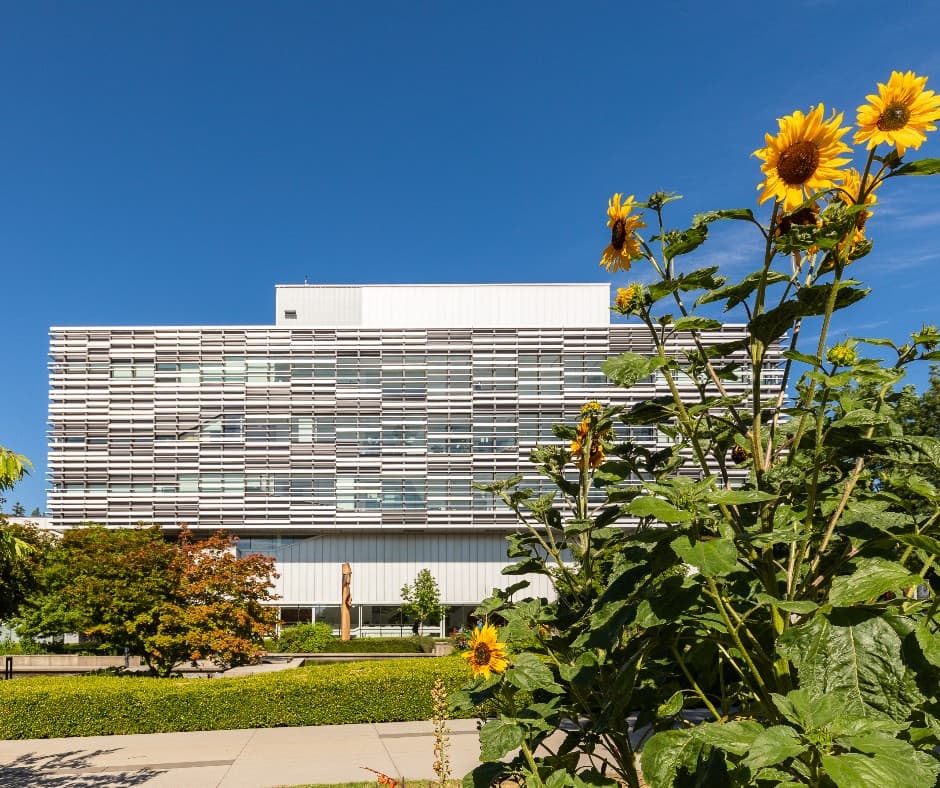
- Access to state-of-the-art neuroscience research labs at the Djavad Mowafaghian Centre for Brain Health.
- Engagement with leading neuroscientists and a talented student cohort.
- Capstone project that allows students to apply their knowledge in real-world research settings.
- Focus on both Cellular & Molecular and Behavioral & Cognitive neuroscience, providing a broad understanding of the field.
Career Options
Graduates of the Bachelor of Science in Neuroscience program can pursue a variety of career paths in Canada, including:
- Neuroscientist: Conduct research to understand the brain and nervous system, often working in academic or clinical settings.
- Clinical Research Coordinator: Oversee clinical trials and research studies, ensuring compliance with regulations and protocols.
- Healthcare Consultant: Provide expert advice to healthcare organizations on neuroscience-related issues and innovations.
- Pharmaceutical Sales Representative: Promote and sell neuroscience-related medications and therapies to healthcare professionals.
- Data Analyst: Analyze data related to neuroscience research, helping to interpret findings and inform future studies.
These career options highlight the diverse opportunities available to graduates, allowing them to make significant contributions to the field of neuroscience and beyond.
DISCLAIMER: The information above is subject to change. For the latest updates, please contact LOA Portal's advisors.
Visit UBC - The University of British Columbia official website