Last updated on 2025-11-21




Program overview
The Double Degree program in Biomedical Engineering and Chemical Engineering at Western University is designed to provide students with a comprehensive education that spans two critical fields of engineering. This program allows students to gain expertise in both biomedical and chemical engineering, preparing them for diverse career opportunities. By integrating the principles of both disciplines, students will be equipped to tackle complex engineering challenges in healthcare and industry. The program emphasizes a strong design-based core, ensuring that graduates are well-prepared for the demands of the engineering profession.
Program structure
The Double Degree program in Biomedical Engineering and Chemical Engineering is structured to allow students to complete two degrees in a streamlined manner. The program is designed to be completed in a standard duration, enabling students to graduate with both degrees efficiently. Key features of the program structure include:
- Program Length: Designed to be completed in a shorter timeframe than pursuing each degree separately.
- Co-op opportunities: Students can gain practical experience through co-op placements, enhancing their learning and employability.
- Interdisciplinary approach: The curriculum integrates courses from both engineering disciplines, fostering a well-rounded education.
- Flexibility: Students have the option to customize their learning paths through elective courses and projects.
This program not only focuses on theoretical knowledge but also emphasizes hands-on experience, preparing students for real-world applications in their future careers.
Featured Experiences
The Double Degree program offers a variety of unique experiences that enhance the educational journey of students. These experiences include:
- Co-op placements: Students can participate in co-op programs that provide valuable industry experience and networking opportunities.
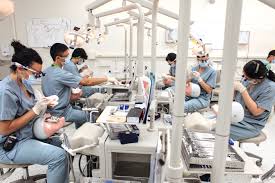
- Laboratory work: Hands-on lab experiences allow students to apply theoretical knowledge in practical settings.
- Field experiences: Opportunities to engage in fieldwork, providing insights into real-world engineering challenges.
- Joint partner programs: Collaborations with industry partners to work on projects that address current engineering issues.
- Research opportunities: Students can engage in research projects that contribute to advancements in biomedical and chemical engineering.
These featured experiences are designed to enrich the learning process and prepare students for successful careers in engineering.
Career Options
Graduates of the Double Degree program in Biomedical Engineering and Chemical Engineering can pursue a variety of career paths in Canada. Some potential job options include:
- Biomedical Engineer: Design and develop medical devices and equipment, ensuring they meet regulatory standards and improve patient care.
- Chemical Engineer: Work in industries such as pharmaceuticals, petrochemicals, and food processing, focusing on the production and optimization of chemical processes.
- Process Engineer: Oversee the design and implementation of manufacturing processes, ensuring efficiency and safety in production.
- Quality Assurance Engineer: Ensure that products meet quality standards and regulatory requirements, conducting tests and inspections as necessary.
- Research Scientist: Conduct research in laboratories to develop new materials or technologies, contributing to advancements in engineering fields.
These career options highlight the versatility and demand for graduates with expertise in both biomedical and chemical engineering, making them valuable assets in various industries.
DISCLAIMER: The information above is subject to change. For the latest updates, please contact LOA Portal's advisors.
Visit Western University official website