Last updated on 2025-12-05

Program Overview
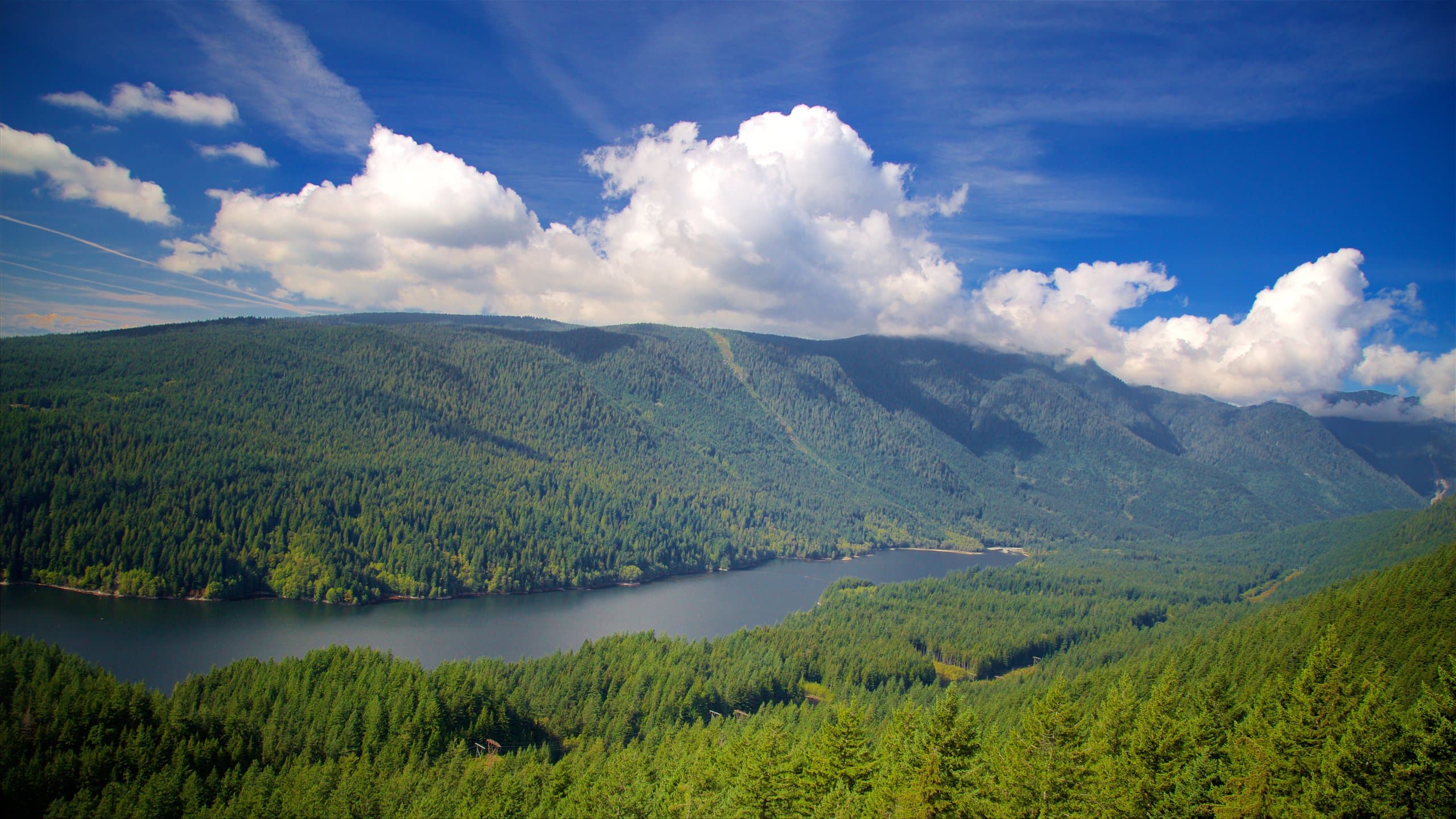
The Bachelor of Science in Natural Resources - Forest Sciences program at UBC's Vancouver campus focuses on the scientific principles related to forests, forest organisms, and the ecology of plants and animals. This program emphasizes the complexity of forest ecosystems, highlighting how various living and non-living components interact. Students will gain a comprehensive understanding of forest wildlife, fires, insects, diseases, soil, tree genetics, and forest regeneration. The program is designed for those with an inquisitive mind who wish to explore the mysteries of nature and the impact of human activities on forest ecosystems.
Program Structure
The Bachelor of Science in Natural Resources - Forest Sciences program is structured to provide a robust educational experience over a 4-year period. Key features of the program include:
- Optional Co-op: Students can combine their studies with full-time, paid work at top local and international organizations.
- Honours Option: Students have the opportunity to engage in intense specialization in a single field.
- Experiential Learning: The program includes extensive hands-on lab or field work, allowing students to apply their knowledge in real-world settings.
- Field Schools: Participation in one or two week-long field schools at the Alex Fraser Research Forest and the Malcolm Knapp Research Forest.
- Thesis Requirement: Honours students will write an original six-credit thesis under faculty supervision in their final year.
This comprehensive structure ensures that students not only learn theoretical concepts but also gain practical experience that is essential for their future careers.
Featured Experiences
Students in the Forest Sciences program can expect a variety of unique and enriching experiences, including:
- Hands-on lab and field work that enhances practical understanding of forest ecosystems.
- Field schools that provide immersive learning experiences in natural settings.
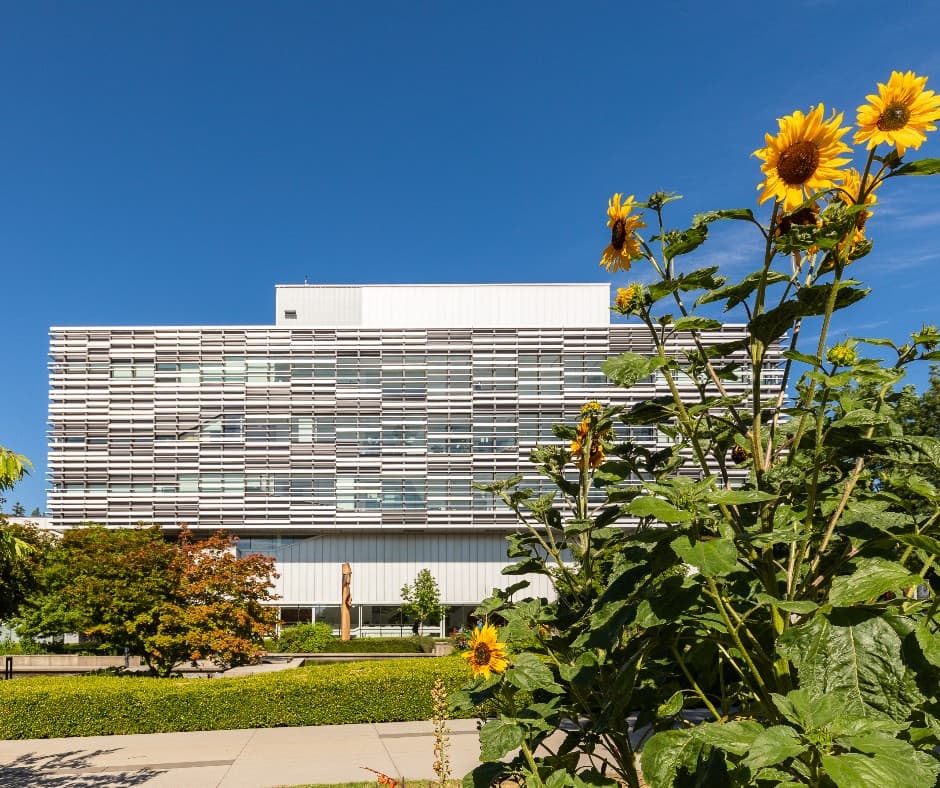
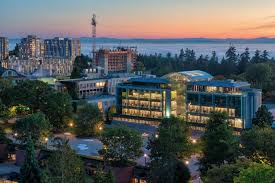
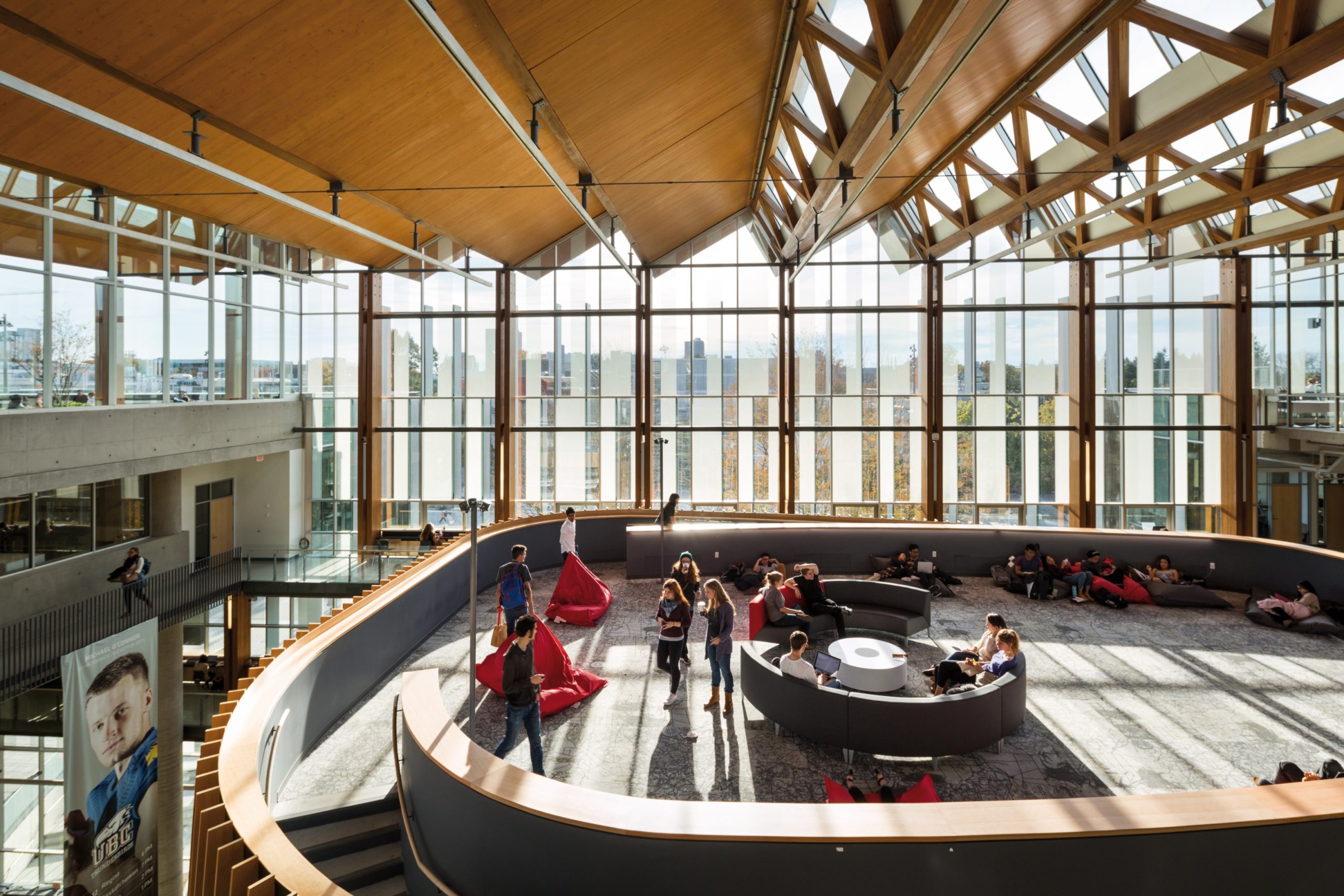
- Access to the award-winning Forest Sciences Centre, featuring high-tech classrooms and labs.
- Opportunities to specialize in areas such as genetics, ecology, entomology, pathology, silviculture, or hydrology.
- International specialization options to study forest ecosystems in different parts of the world.
These experiences are designed to prepare students for a successful career in the field of natural resources and forestry.
Career Options
Graduates of the Bachelor of Science in Natural Resources - Forest Sciences program have a wide range of career opportunities available to them in Canada, including:
- Forest Geneticist: Specializes in the genetic improvement of forest trees to enhance growth and disease resistance.
- Biodiversity Specialist: Works to conserve and manage biodiversity within forest ecosystems.
- Fisheries and Wildlife Officer: Enforces laws and regulations related to wildlife conservation and management.
- Forest Ecologist: Studies the relationships between forest ecosystems and the organisms that inhabit them.
- Pathologist: Focuses on diagnosing and managing diseases affecting forest trees and plants.
Many graduates also pursue further education in graduate school or obtain professional certifications as Registered Professional Foresters or Registered Professional Biologists, enhancing their career prospects in research, teaching, and specialized fields within forestry.
DISCLAIMER: The information above is subject to change. For the latest updates, please contact LOA Portal's advisors.
Visit UBC - The University of British Columbia official website