Last updated on 2026-09-23
Program overview
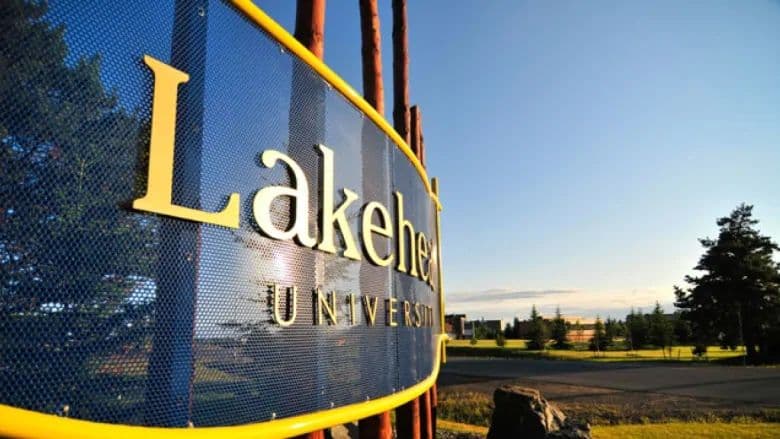
Lakehead University offers a Master of Science in Kinesiology with a specialization in Gerontology, designed for students interested in exploring the scientific study of human performance. This program emphasizes a multidisciplinary approach, integrating various aspects of Kinesiology and Gerontology. Students can choose between a thesis-based or course-based route, allowing for flexibility in their academic journey. The program is structured to provide a comprehensive understanding of human movement, health promotion, and the aging process, preparing graduates for diverse career opportunities in the field.
Program structure
The Master of Science in Kinesiology - Gerontology program at Lakehead University is structured to accommodate both thesis and course-based options. Key details include:
- Program Length:
- Thesis-based Master's: 2 years
- Course-based Master's: 16 months
- Students must complete all requirements within the specified program length of continuous registration.
- Both options allow students to engage in interdisciplinary learning, particularly in the Gerontology specialization, which collaborates with multiple departments.
- Students have the opportunity to take electives outside of the Kinesiology program, enhancing their educational experience.
Additionally, the course-based program offers a distance-friendly format, enabling students to balance their studies with professional commitments while attending practical courses on campus.
Featured Experiences
- Thesis-based program emphasizes a multidisciplinary approach to human performance.
- Interdisciplinary collaboration with five departments for the Gerontology specialization.
- Opportunities for research and theory application in Gerontology.
- Flexible course delivery options, including online and on-campus courses.
- Students can maintain employment while completing their studies in the course-based program.
Career Options
- Kinesiologist: Professionals who assess and improve physical performance and rehabilitation for clients.
- Exercise Physiologist: Specialists who design exercise programs to improve health and fitness, often working with patients recovering from illness.
- Rehabilitation Specialist: Experts who assist individuals in recovering from injuries through tailored exercise and therapy programs.
- Health Promotion Coordinator: Individuals who develop and implement programs aimed at improving community health and wellness.
- Gerontology Researcher: Researchers focused on studying aging processes and developing interventions to enhance the quality of life for older adults.
DISCLAIMER: The information above is subject to change. For the latest updates, please contact LOA Portal's advisors.
Visit Lakehead University official website