Last updated on 2026-09-23

Program overview
The Master of Science in Environmental Engineering at Lakehead University is designed to equip graduates with the skills necessary to tackle pressing environmental challenges faced by industries and communities. This program emphasizes a research-based approach, allowing students to explore innovative solutions in a supportive and collaborative environment. With a focus on interdisciplinary studies, students will engage with faculty members from various engineering and natural science disciplines, fostering a comprehensive understanding of environmental issues. The program is structured to provide flexibility and guidance, ensuring that students can achieve their academic and professional goals.
Program structure
The Master of Science in Environmental Engineering program is structured to be completed within a two-year timeframe, requiring students to maintain continuous registration throughout this period. The program offers a thesis route, allowing students to engage in significant research projects that contribute to the field of environmental engineering. Key features of the program structure include:
- Interdisciplinary curriculum that integrates various fields such as Chemical, Civil, and Mechanical Engineering, Biology, Chemistry, Forestry, and Geology.
- Small class sizes that promote personalized attention and close supervision from faculty members.
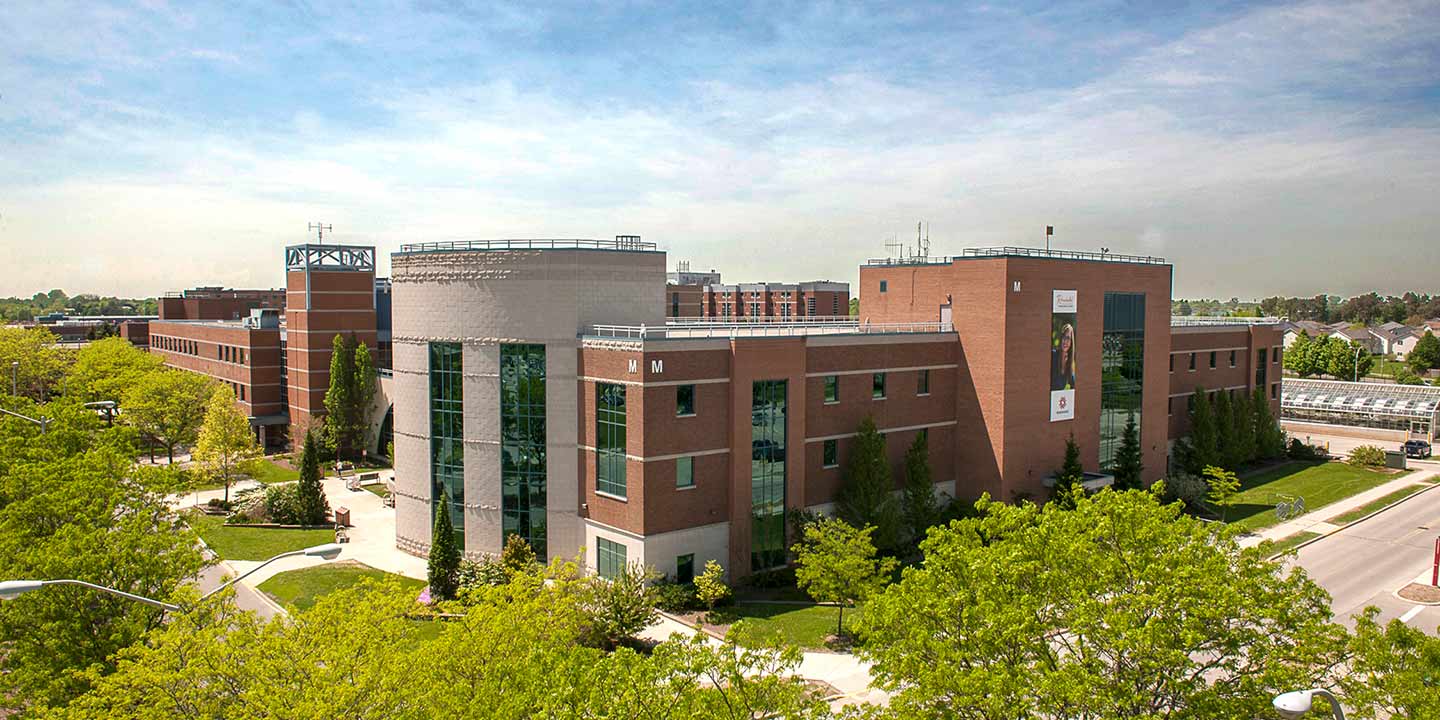
- Access to outstanding laboratory facilities, including a centralized instrumentation laboratory.
- Opportunities for research in areas such as biorefinery, geoenvironmental engineering, and water resource engineering.
Students are encouraged to explore diverse topics within environmental engineering, ensuring a well-rounded educational experience.
Featured Experiences
The Master of Science in Environmental Engineering program at Lakehead University offers a variety of unique experiences that enhance the learning journey:
- Research opportunities in cutting-edge areas such as climate change, water crisis, and energy crisis.
- Hands-on experience in state-of-the-art laboratories equipped for advanced research.
- Collaboration with faculty members who are experts in their respective fields, providing mentorship and guidance.
- Interdisciplinary projects that allow students to work alongside peers from different scientific backgrounds.
- Fieldwork opportunities that provide practical experience in real-world environmental challenges.
Career Options
Graduates of the Master of Science in Environmental Engineering program can pursue a variety of career paths in Canada, including:
- Environmental Consultant: Advises organizations on environmental best practices and compliance with regulations.
- Water Resource Engineer: Designs and manages systems for water supply, treatment, and distribution.
- Climate Change Analyst: Studies the impacts of climate change and develops strategies for mitigation and adaptation.
- Geotechnical Engineer: Analyzes soil and rock properties to inform construction and environmental remediation projects.
- Research Scientist: Conducts research in laboratories or field settings to develop innovative solutions to environmental issues.
These roles allow graduates to make significant contributions to environmental sustainability and public health, addressing critical challenges in today's world.
DISCLAIMER: The information above is subject to change. For the latest updates, please contact LOA Portal's advisors.
Visit Lakehead University official website