Last updated on 2026-07-29







Program overview
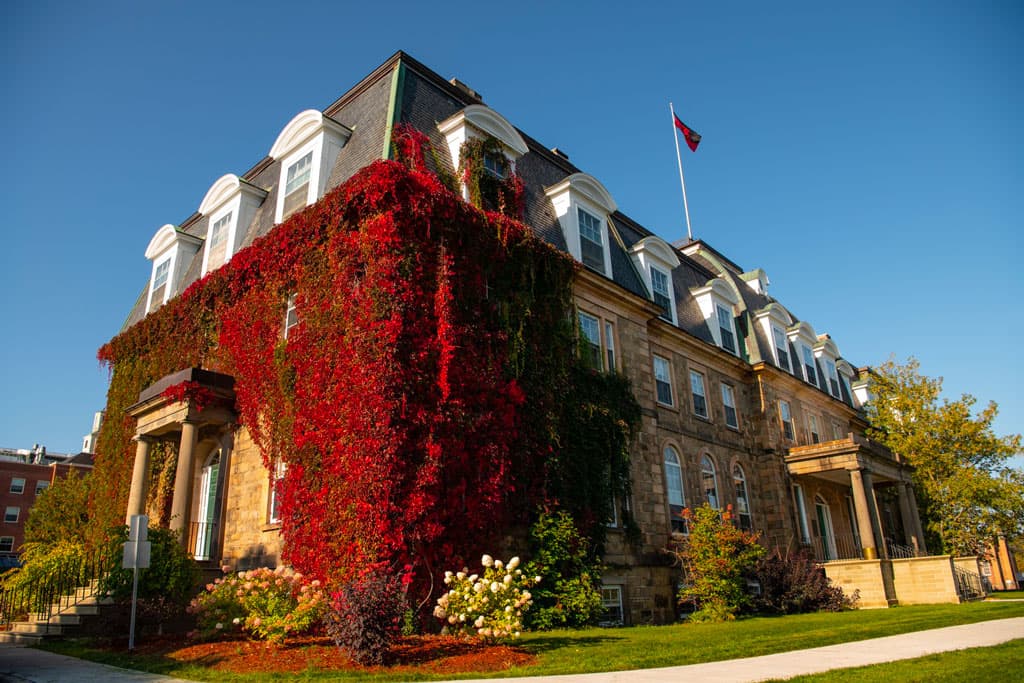
The Bachelor of Science in Engineering - Mechanical Engineering Transfer program at UNB is designed for students who wish to advance their education in mechanical engineering. This program allows students to complete their first two years at the Saint John campus and then transfer to the Fredericton campus for the final two years. Mechanical engineers play a crucial role in designing and analyzing systems that transform energy and materials into useful applications, including various industries such as manufacturing, aerospace, and robotics.
Program structure
The Bachelor of Science in Engineering - Mechanical Engineering Transfer program is structured to provide a comprehensive education in mechanical engineering principles. The program length is four years, with the first two years completed at the Saint John campus and the final two years at the Fredericton campus. Key features of the program structure include:
- Completion of a Diploma in Engineering Foundations after the first two years.
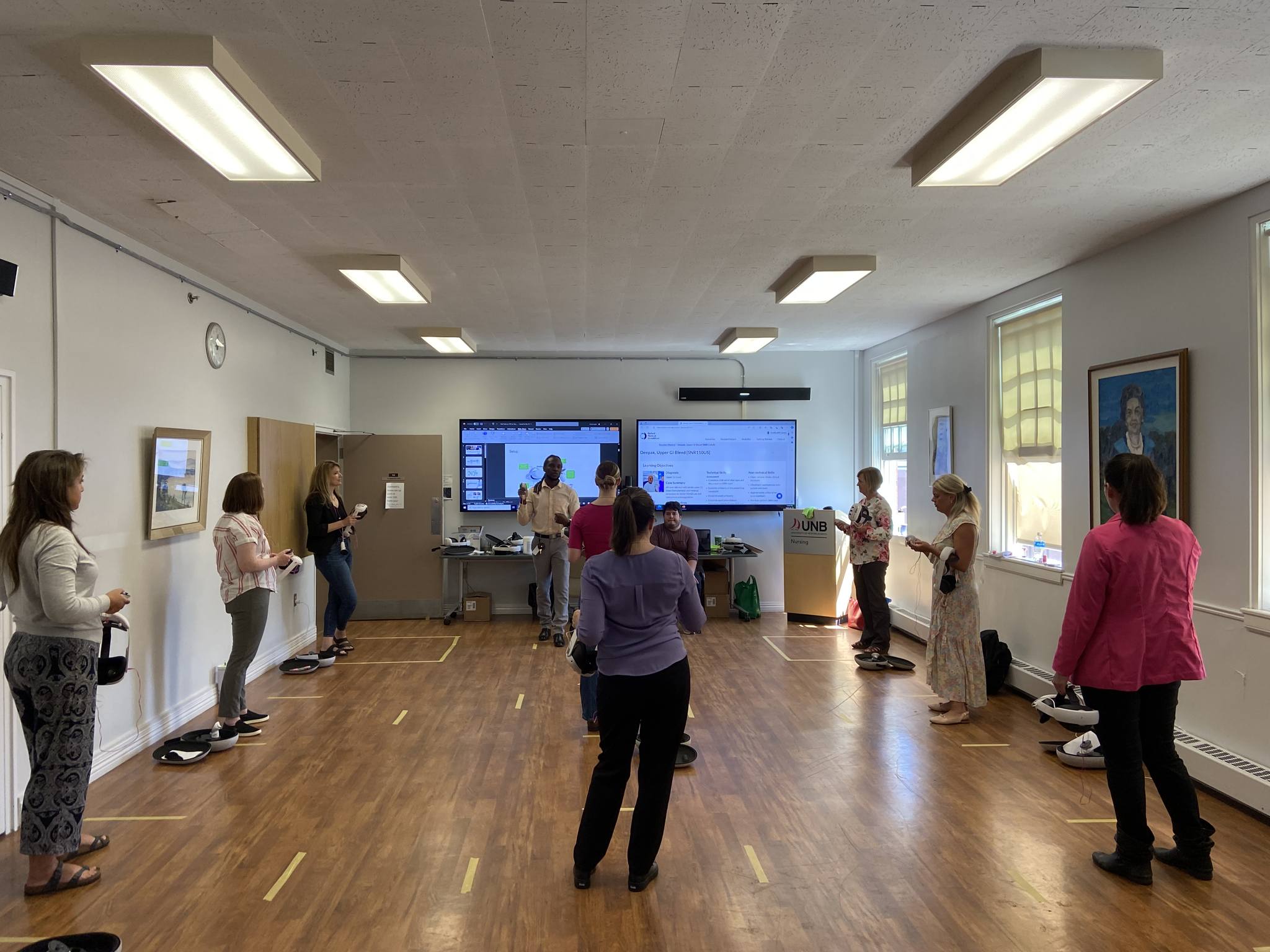
- Hands-on learning experiences through various engineering projects.
- Opportunities for co-op placements and internships to gain practical experience.
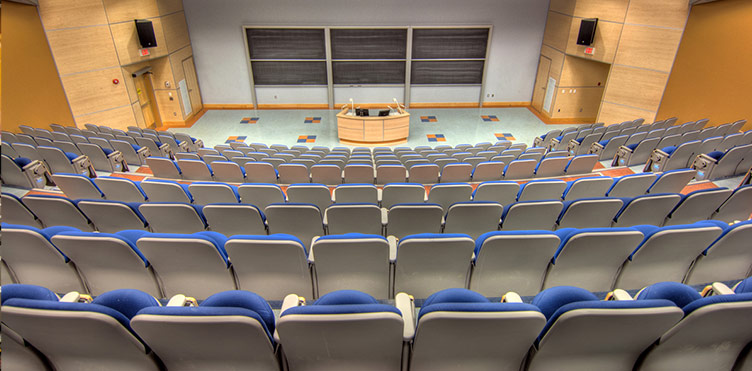
- Access to state-of-the-art laboratories and facilities.
This program is designed to equip students with the necessary skills and knowledge to excel in the field of mechanical engineering.
Featured Experiences
- Co-op opportunities that allow students to gain real-world experience in the engineering field.
- Access to advanced laboratories for hands-on learning and experimentation.
- Field experiences that enhance practical understanding of engineering concepts.
- Joint partner programs with industry leaders to provide networking and career opportunities.
- Participation in engineering competitions and projects to foster teamwork and innovation.
Career Options
- Mechanical Engineer: Design and develop mechanical systems and devices, ensuring they meet required specifications and standards.
- Aerospace Engineer: Work on the design and development of aircraft and spacecraft, focusing on performance and safety.
- Robotics Engineer: Design and build robotic systems for various applications, including manufacturing and healthcare.
- Manufacturing Engineer: Improve manufacturing processes and systems to enhance efficiency and reduce costs.
- HVAC Engineer: Specialize in heating, ventilation, and air conditioning systems, ensuring comfort and energy efficiency in buildings.
DISCLAIMER: The information above is subject to change. For the latest updates, please contact LOA Portal's advisors.
Visit University of New Brunswick official website