Last updated on 2026-07-29



Program overview
The Bachelor of Science in Engineering program, focusing on Civil Engineering, is designed to equip students with the essential skills needed to excel in the field. This program emphasizes the design, construction, and maintenance of various structures and transportation systems, including office towers, highways, airports, and more. Students will gain a comprehensive understanding of civil engineering principles, preparing them for a rewarding career in this dynamic industry.
Program structure
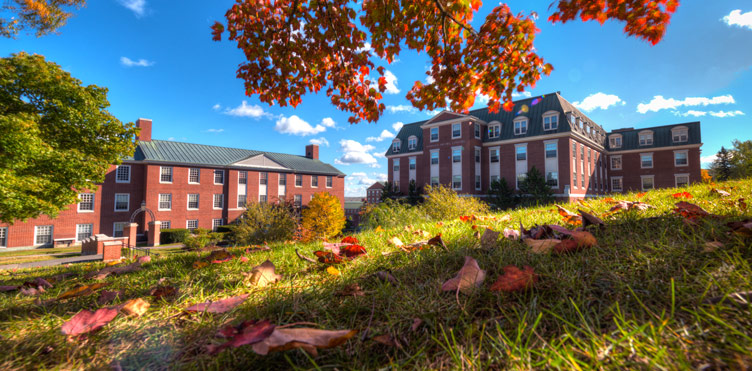
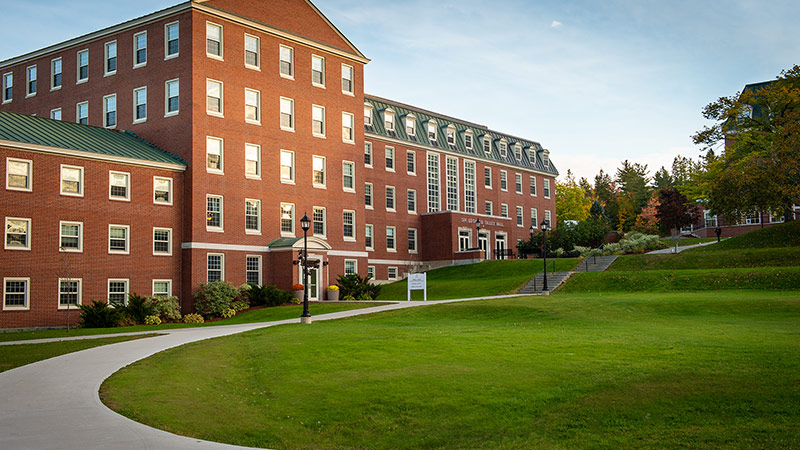
The Bachelor of Science in Engineering (Civil Engineering) program is structured to provide a solid foundation in engineering principles over a two-year period at the UNB Saint John campus. After completing the first two years, students will have the opportunity to transfer to the Fredericton campus to complete the remaining two years of their degree.
Key features of the program structure include:
- Program Length: 4 years total (2 years at Saint John, 2 years at Fredericton)
- Completion of a Diploma in Engineering Foundations after the first two years
- Opportunities for specialization in various areas of civil engineering
Students may also have options for experiential learning, such as co-op placements or internships, which enhance their practical experience and employability upon graduation.
Featured Experiences
- Hands-on learning opportunities through co-op placements and internships
- Specialization options in areas such as structural, geotechnical, and transportation engineering
- Fieldwork and practical projects that provide real-world experience
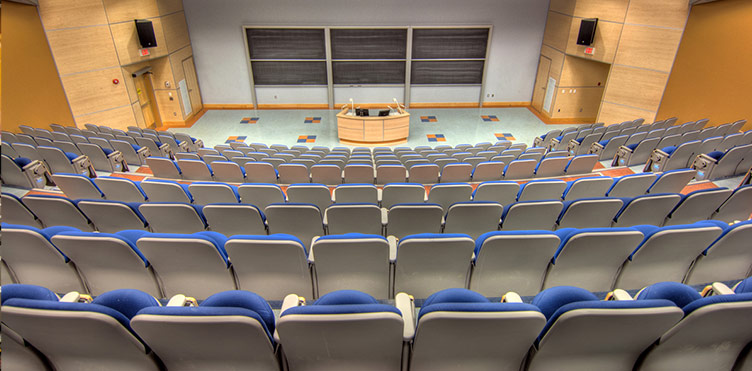
- Access to state-of-the-art facilities and resources at both campuses
- Collaboration with industry partners for joint projects and research initiatives
Career Options
Graduates of the Bachelor of Science in Engineering (Civil Engineering) program can pursue a variety of career paths in Canada, including:
- Civil Engineer: Design and oversee construction projects, ensuring they meet safety and regulatory standards.
- Environmental Engineer: Focus on projects that improve environmental quality and manage waste and pollution.
- Transportation Engineer: Plan and design transportation systems, including roads, bridges, and public transit.
- Structural Engineer: Analyze and design structures to withstand stresses and pressures, ensuring safety and durability.
- Geotechnical Engineer: Study soil and rock mechanics to inform construction projects and assess site conditions.
DISCLAIMER: The information above is subject to change. For the latest updates, please contact LOA Portal's advisors.
Visit University of New Brunswick official website