Last updated on 2026-07-29
















Program overview
The Bachelor of Science in Engineering - Electrical Engineering program at the University of New Brunswick (UNB) is designed to equip students with the essential skills and knowledge required in the field of electrical engineering. This program focuses on the production, transmission, and utilization of electricity, preparing students for a variety of roles in the industry. Students will explore various specialty areas, including power apparatus and systems, electronics, digital systems, computer networks, communications, electromagnetics, and system dynamics. The program is structured to provide a solid foundation in engineering principles, making it an excellent choice for aspiring electrical engineers.
Program structure
The Bachelor of Science in Engineering - Electrical Engineering program is structured to provide a comprehensive education over a four-year period, with the first two years completed at the UNB Saint John campus. This program includes:
- Completion of the first two years leading to a Diploma in Engineering Foundations.
- Transfer to the Fredericton campus for the final two years of the program.
- Opportunities for experiential learning through co-op placements or internships, enhancing practical skills.
Students will engage in a variety of learning experiences that prepare them for the challenges of the engineering field. The program emphasizes both theoretical knowledge and practical application, ensuring graduates are well-prepared for their future careers.
Featured Experiences
- Co-op placements that provide real-world experience in the engineering field.
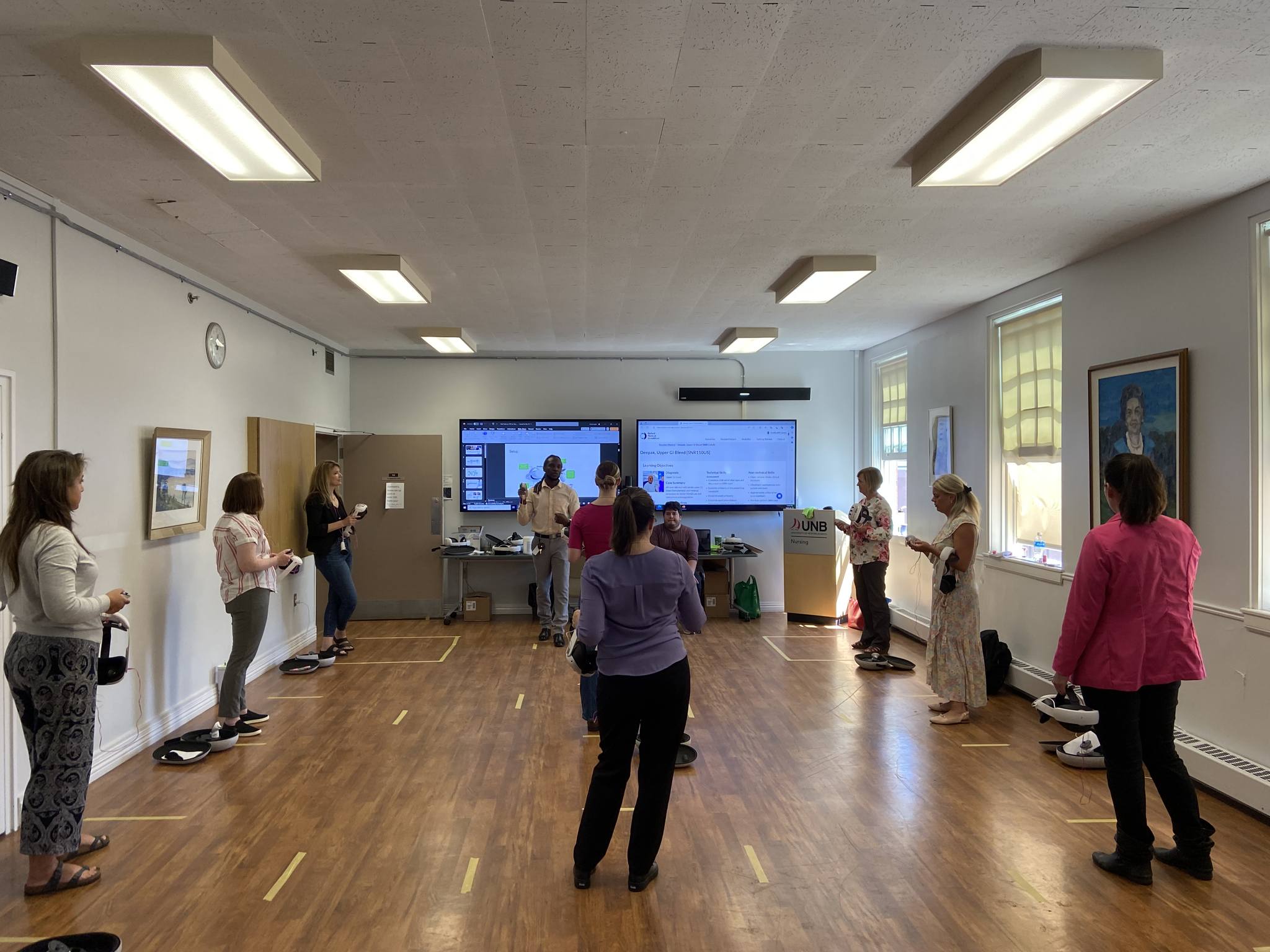
- Hands-on learning opportunities through labs and projects.
- Field experiences that allow students to apply their knowledge in practical settings.
- Joint partner programs that may enhance learning and networking opportunities.
Career Options
- Electrical Engineer: Design and develop electrical systems and components for various applications.
- Power Systems Engineer: Focus on the generation, transmission, and distribution of electrical power.
- Electronics Engineer: Work on the design and development of electronic devices and systems.
- Control Systems Engineer: Specialize in designing and implementing control systems for industrial processes.
- Network Engineer: Manage and optimize computer networks and communication systems.
DISCLAIMER: The information above is subject to change. For the latest updates, please contact LOA Portal's advisors.
Visit University of New Brunswick official website