Last updated on 2026-02-02






Program overview
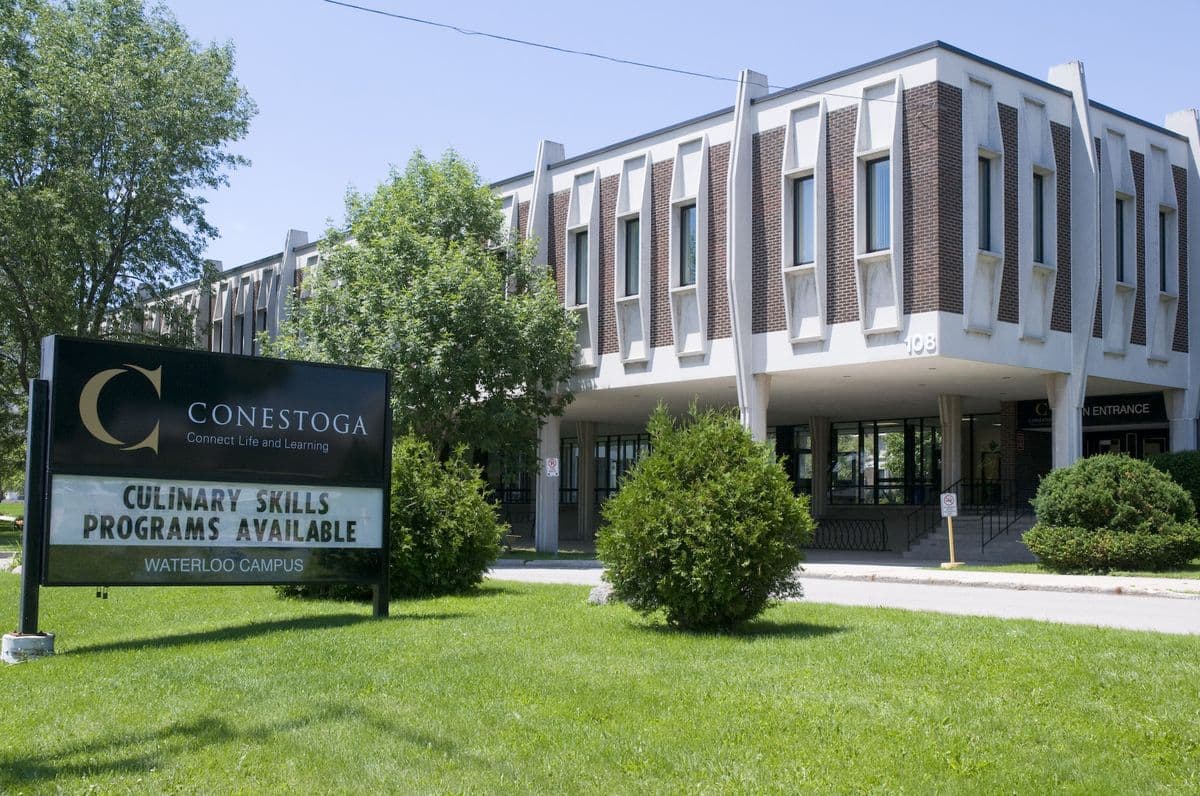
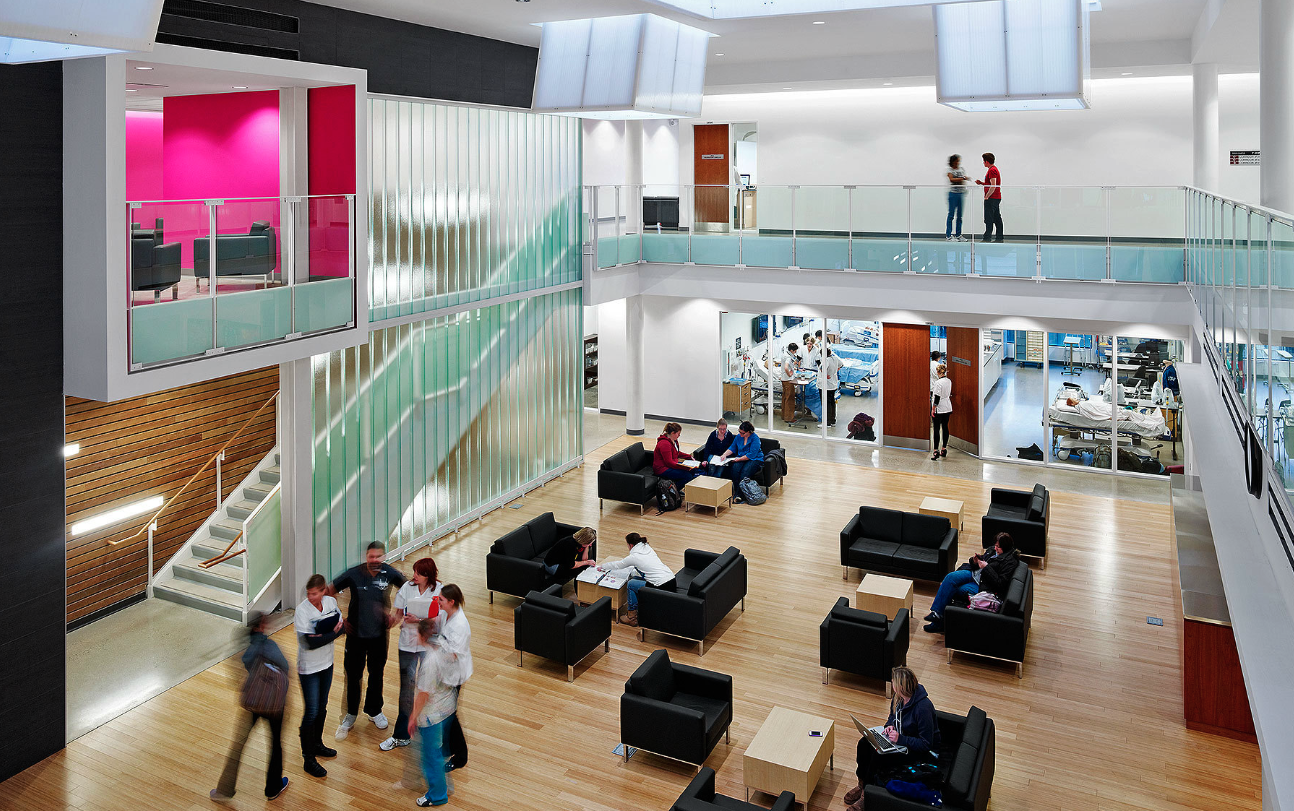
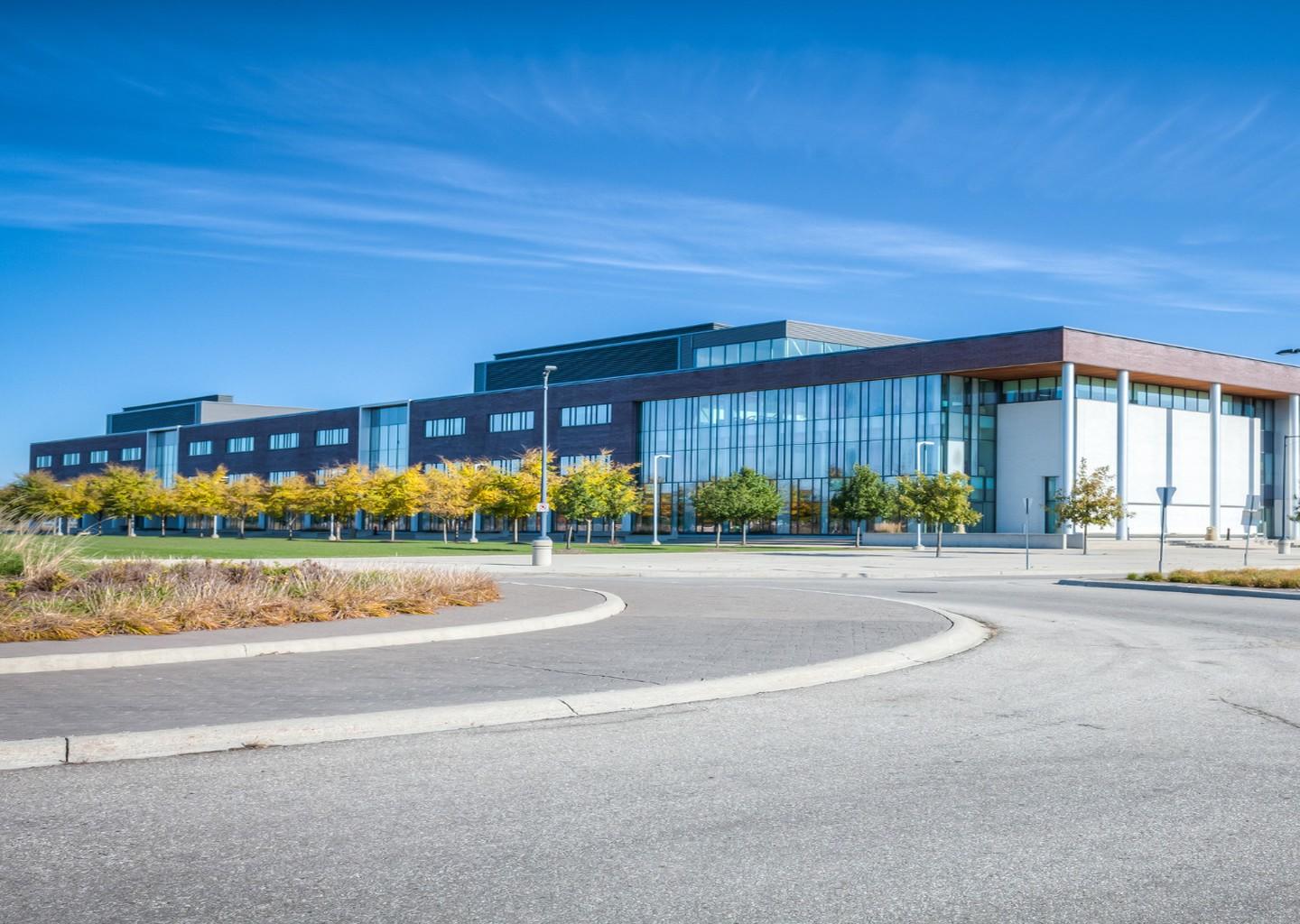
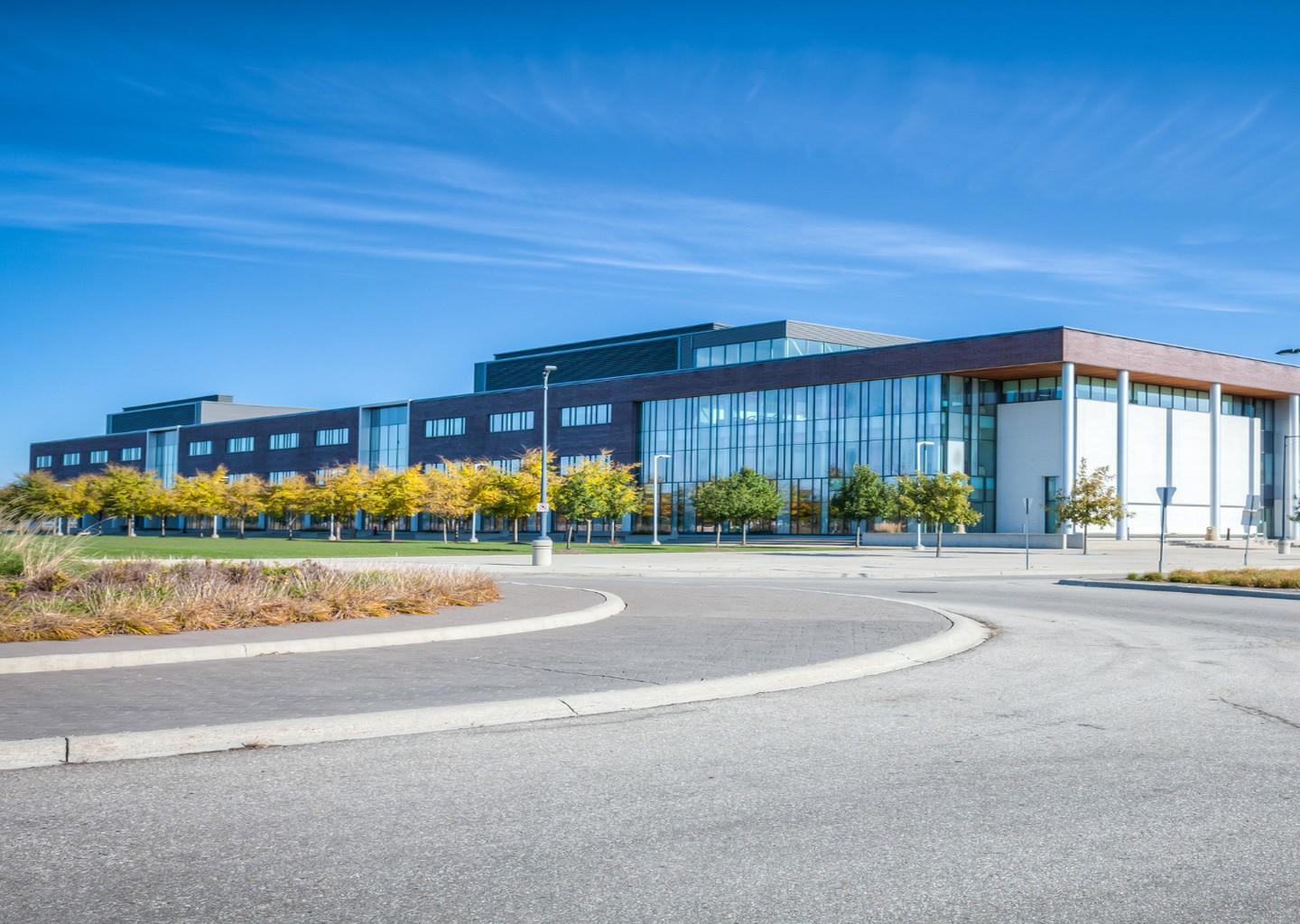
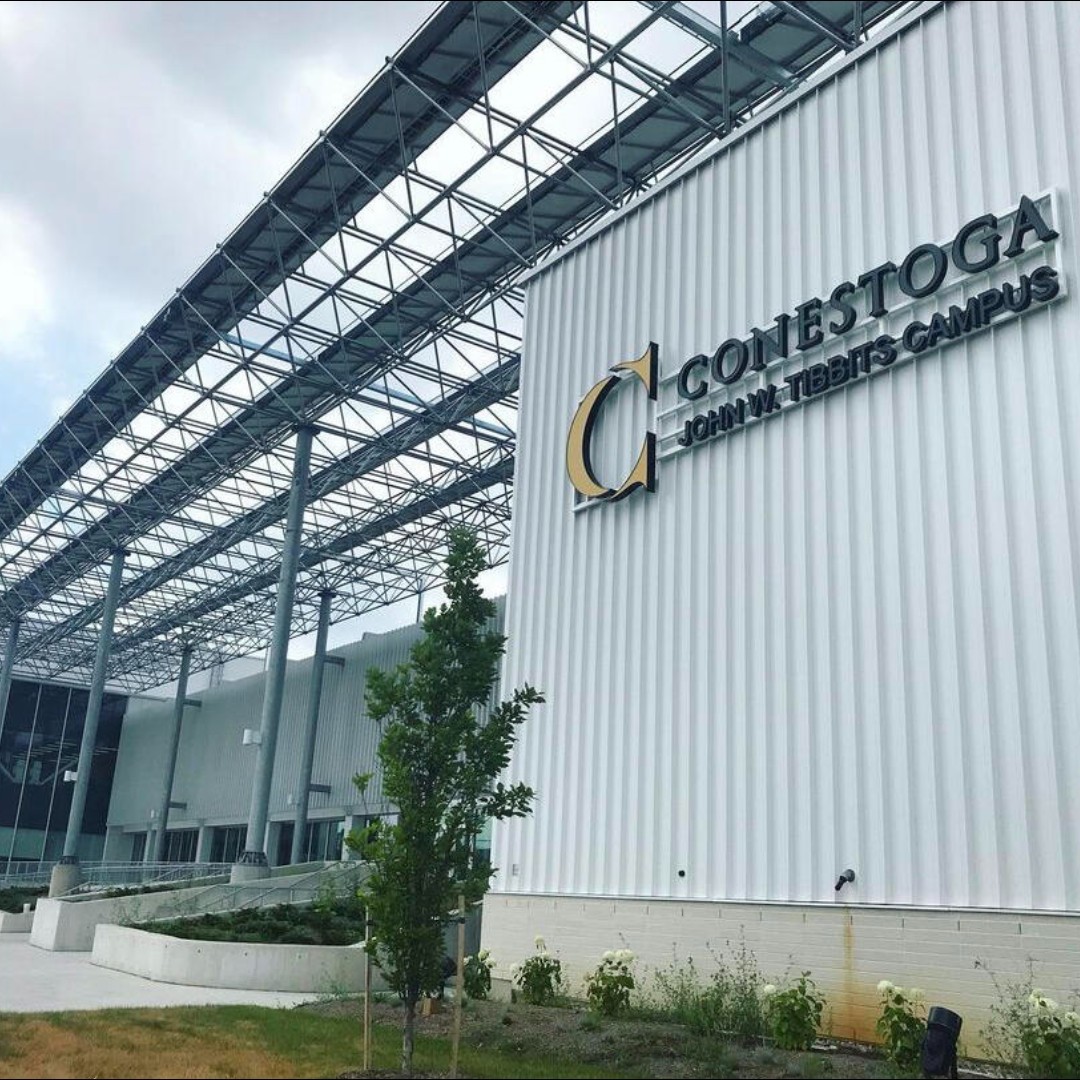
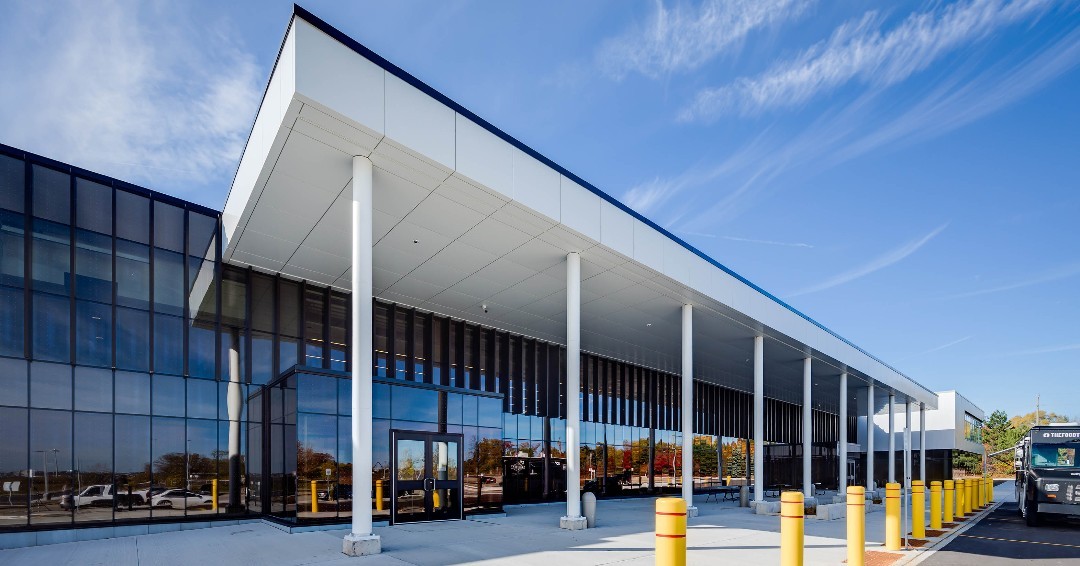
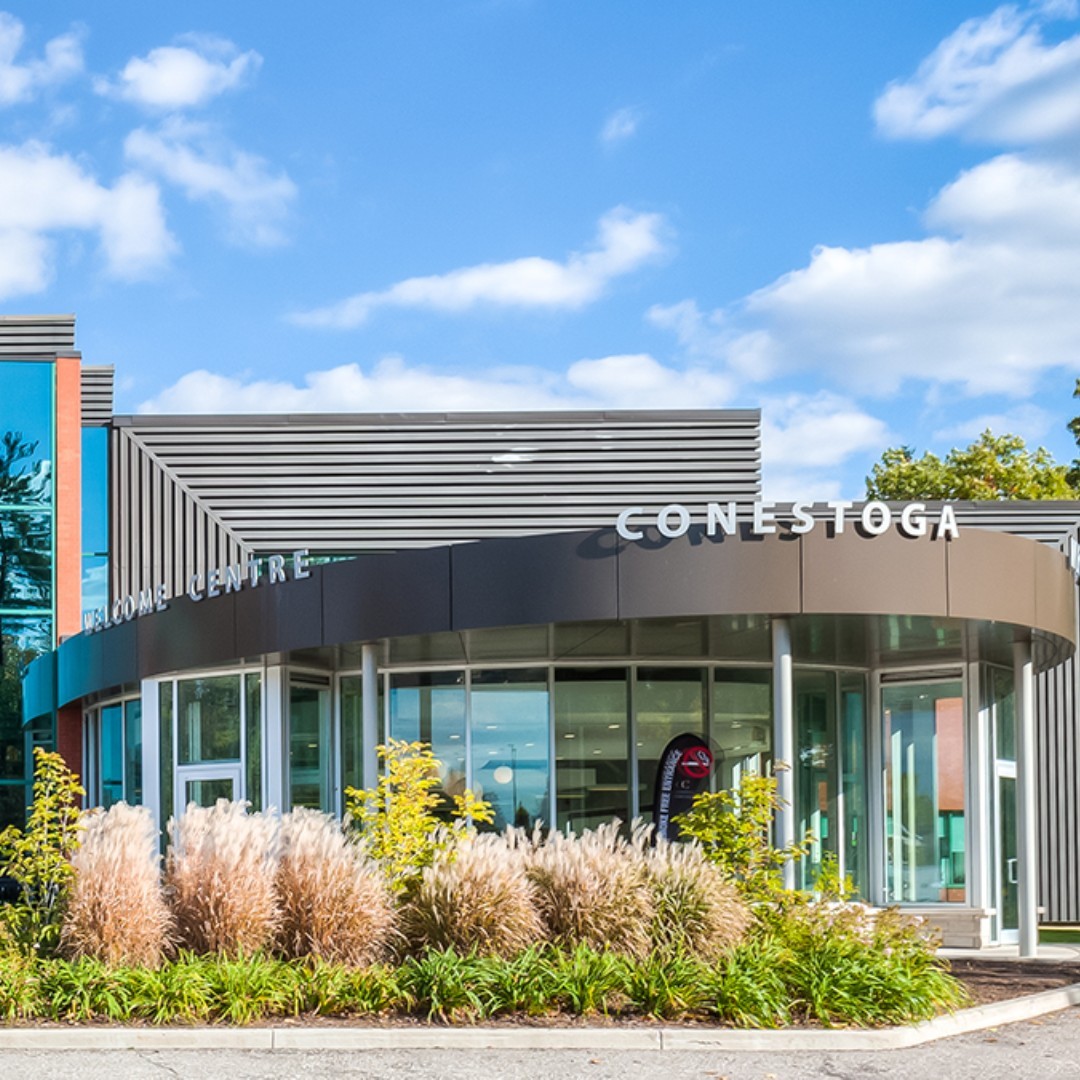
The Graduate Certificate in Technical Communications is designed to equip students with essential skills for creating, illustrating, and producing content. This program emphasizes the importance of technical communicators in making complex information accessible and useful for various audiences. Students will gain hands-on experience with cutting-edge software and authoring tools, preparing them for a dynamic career in the fast-growing tech sector. The program is delivered at Conestoga’s newly renovated Waterloo campus, providing an ideal environment for learning and collaboration.
Program structure
The Graduate Certificate in Technical Communications is a 1-year program that consists of two academic terms followed by an optional co-op term. The program is structured as follows:
- Program Length: 1 year (2 academic terms + 1 co-op term, if applicable)
- Delivery: Full-time
- Start Date: September
- Campus: Waterloo
- Credential: Ontario College Graduate Certificate
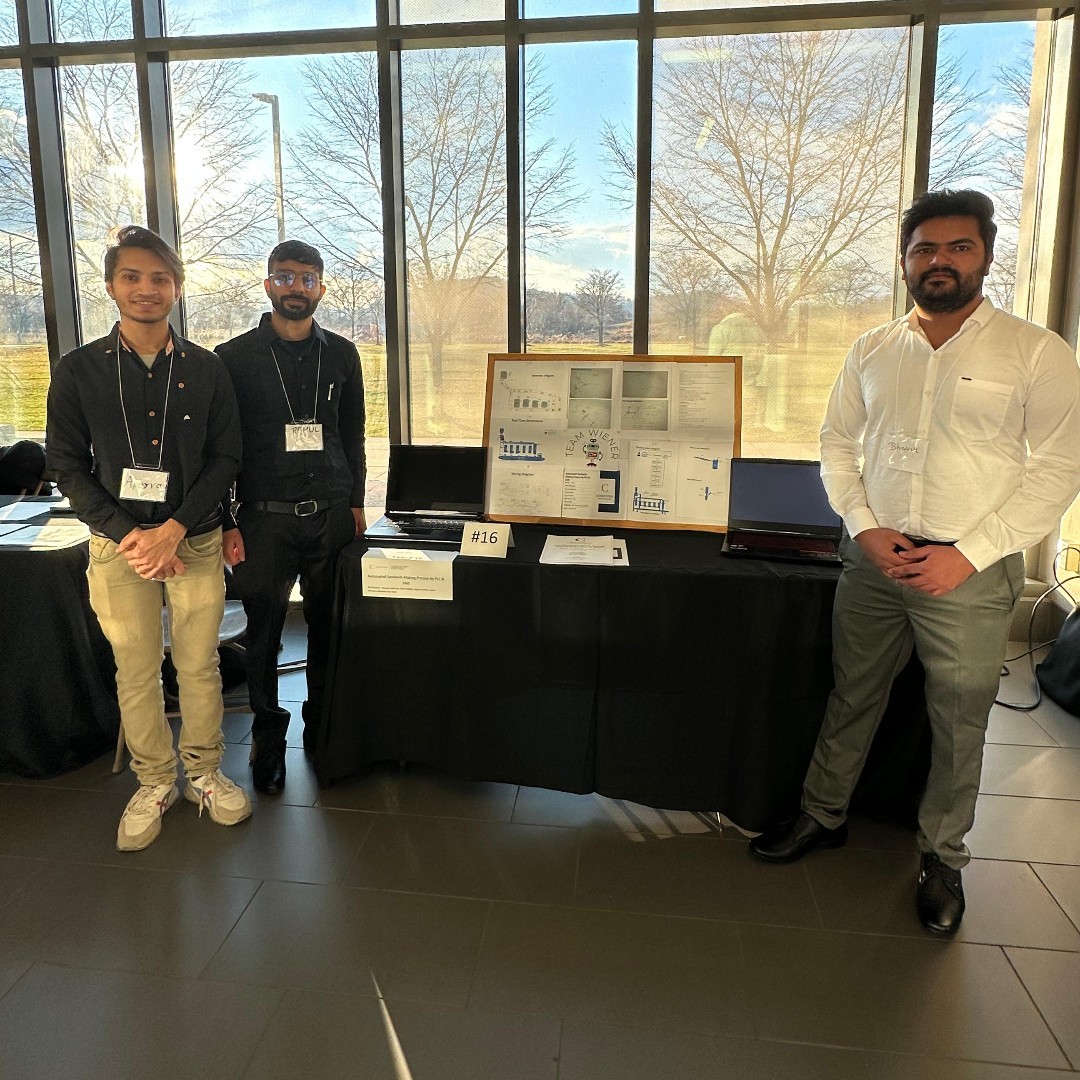
This program also offers an optional co-op stream, allowing students to gain practical work experience in the field. Students will have access to the Adobe Technical Communication Suite through a partnership with the Adobe Technical Communication University Outreach Program, enhancing their learning experience.
Featured Experiences
- Access to cutting-edge software and tools for technical communication.
- Opportunity to participate in an optional co-op work term, gaining real-world experience.
- Hands-on learning at Conestoga’s newly renovated Waterloo campus.
- Collaboration with industry professionals through the Adobe Technical Communication University Outreach Program.
Career Options
Graduates of the Graduate Certificate in Technical Communications can pursue various career paths in Canada, including:
- Technical Writer: Responsible for creating user manuals, guides, and documentation for products and services.
- Content Developer: Focuses on producing engaging content for websites, blogs, and social media platforms.
- Information Designer: Specializes in presenting complex information in a clear and visually appealing manner.
- Editor: Reviews and revises content to ensure clarity, accuracy, and adherence to style guidelines.
- Instructional Designer: Develops educational materials and training programs to enhance learning experiences.
DISCLAIMER: The information above is subject to change. For the latest updates, please contact LOA Portal's advisors.
Visit Conestoga College official website