Last updated on 2026-03-19




Program overview
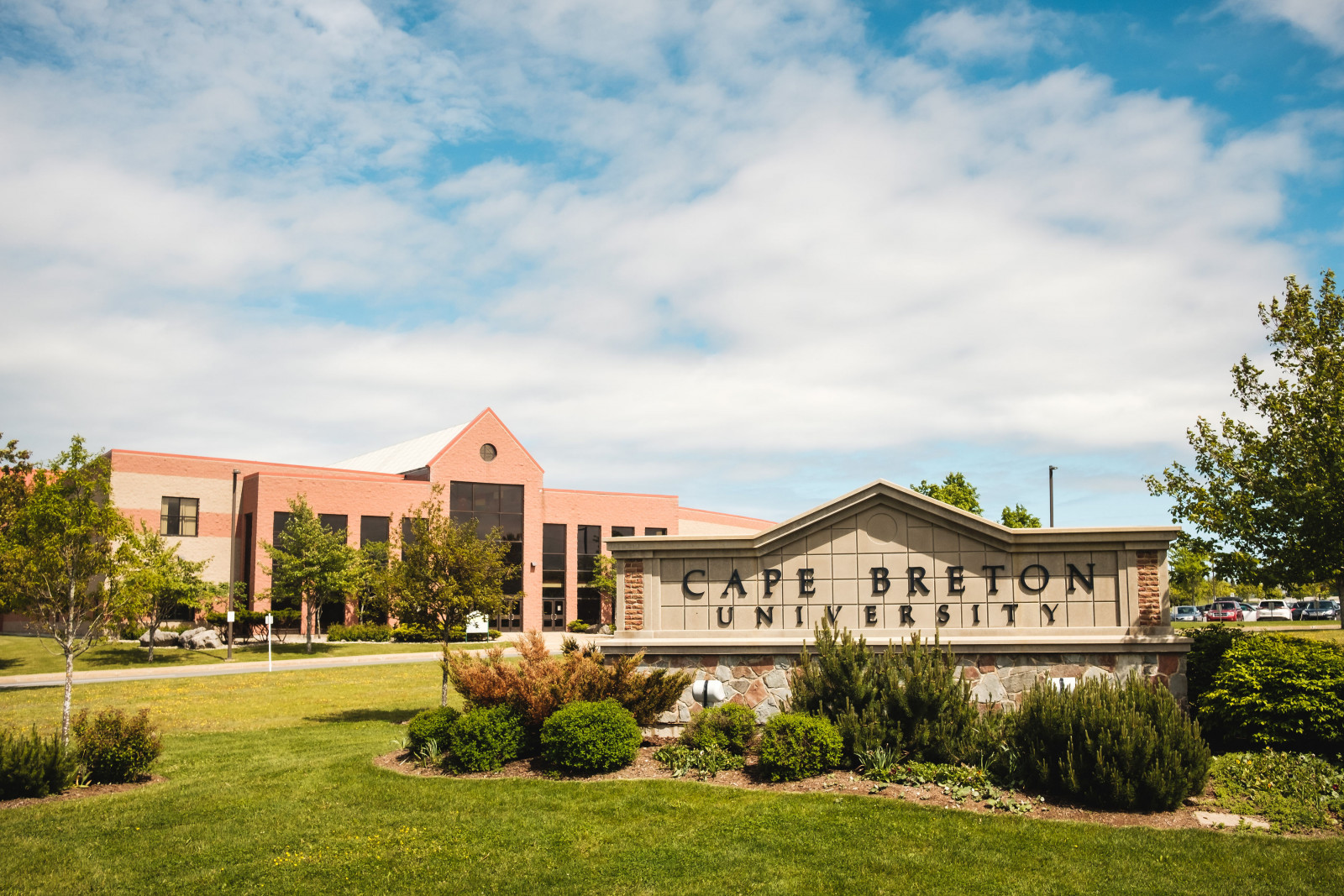
The Transfer Program - Undergraduate Pathway - Bachelor Of Science - Nutrition at Cape Breton University is designed for students aiming to complete their degree in Human Nutrition at other universities in the Atlantic Region. This program allows students to take foundational courses in Nutrition, Chemistry, Biology, and Mathematics, which are essential for their future studies. Students are encouraged to confirm the transferability of their courses with the institution where they plan to complete their degree. The program is structured to provide a solid academic foundation, ensuring students are well-prepared for their next steps in higher education.
Program structure
The Bachelor of Science in Human Nutrition (Transfer) program is structured over a two-year period, allowing students to complete the necessary coursework before transferring to a partner university. Key features of the program include:
- Program Length: 2 years
- Articulation agreements with several universities, including St. Francis Xavier University, Mount Saint Vincent University, and the University of Prince Edward Island.
- Students must ensure they meet prerequisite requirements for all courses.
- Advising is available through Dr. Edward Barre, who assists students in course selection and transfer processes.
Students will engage in a variety of subjects that prepare them for advanced studies in Human Nutrition, ensuring a comprehensive educational experience.
Featured Experiences
- Articulation agreements with multiple universities facilitate smooth transitions for students pursuing a Bachelor of Science in Human Nutrition.
- Students are encouraged to participate in advising sessions to tailor their course selections effectively.
- Hands-on learning opportunities through laboratory courses in Biology and Chemistry.
- Access to experienced faculty members who provide guidance and support throughout the program.
Career Options
- Nutritionist: Professionals who provide dietary advice and create nutrition plans for individuals and groups.
- Public Health Educator: Specialists who develop programs to promote health and wellness in communities.
- Food Service Manager: Individuals responsible for overseeing food service operations in various settings, ensuring quality and compliance with health regulations.
- Clinical Dietitian: Experts who work in healthcare settings, providing nutritional assessments and counseling to patients.
- Research Assistant: Support roles in academic or clinical research, focusing on nutrition-related studies and data analysis.
Graduates of the program will be well-equipped to pursue various career paths in the field of nutrition and health, contributing to the well-being of individuals and communities.
DISCLAIMER: The information above is subject to change. For the latest updates, please contact LOA Portal's advisors.
Visit CBU - Cape Breton University official website