Last updated on 2025-12-05
Program Overview
Learn about how the earth works, from the core to the atmosphere, and from the distant genesis of our planet to current and future trends in environmental and global issues. The Bachelor of Science in Earth and Ocean Sciences at the University of British Columbia (UBC) offers a comprehensive understanding of the history and dynamics of our planet. This program emphasizes the importance of managing our natural resources and the environment we inhabit, preparing students for a variety of career paths in the earth sciences.
Program Structure
The Bachelor of Science in Earth and Ocean Sciences is designed to provide students with a robust foundation in various scientific disciplines. The program structure includes:
- Program Length: 4 years
- Co-op Option: Yes, students can combine their studies with full-time, paid work at top local and international organizations.
- Honours Option: Yes, students can pursue intense specialization in a single field.
This program allows students to tailor their education with courses in geology, geophysics, oceanography, atmospheric sciences, and computer applications. It prepares graduates for further studies in various fields, including earth sciences, medicine, law, and journalism.
Featured Experiences
The Earth and Ocean Sciences program at UBC offers several unique features and experiences, including:
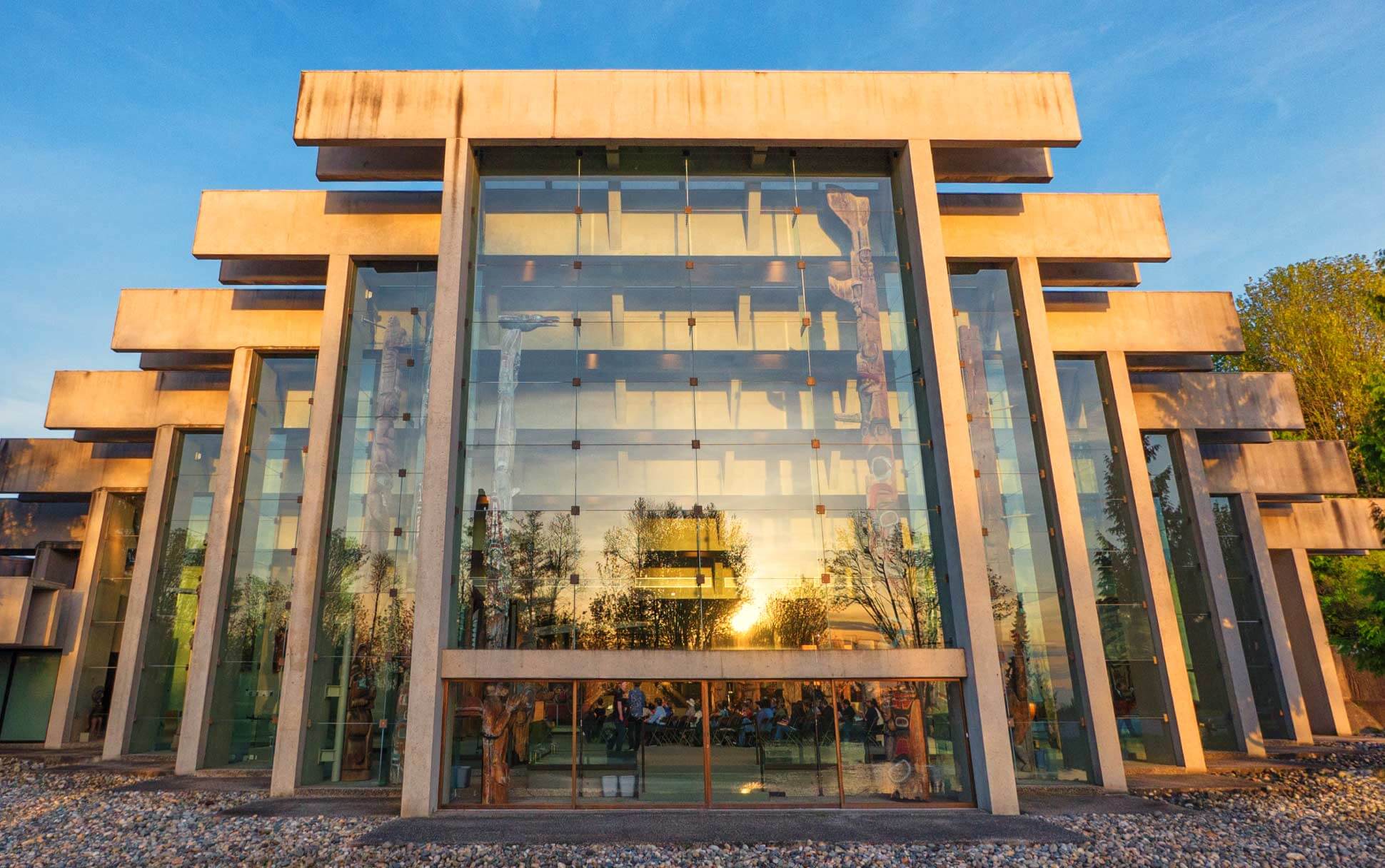
- Access to the Pacific Museum of the Earth and the Mineral Deposit Research Unit (MDRU), which provides hands-on research opportunities.
- Utilization of 10 research facilities, including the Pacific Centre for Isotopic and Geochemical Research (PCIGR) and the Centre for Experimental Study of the Lithosphere (CESL).
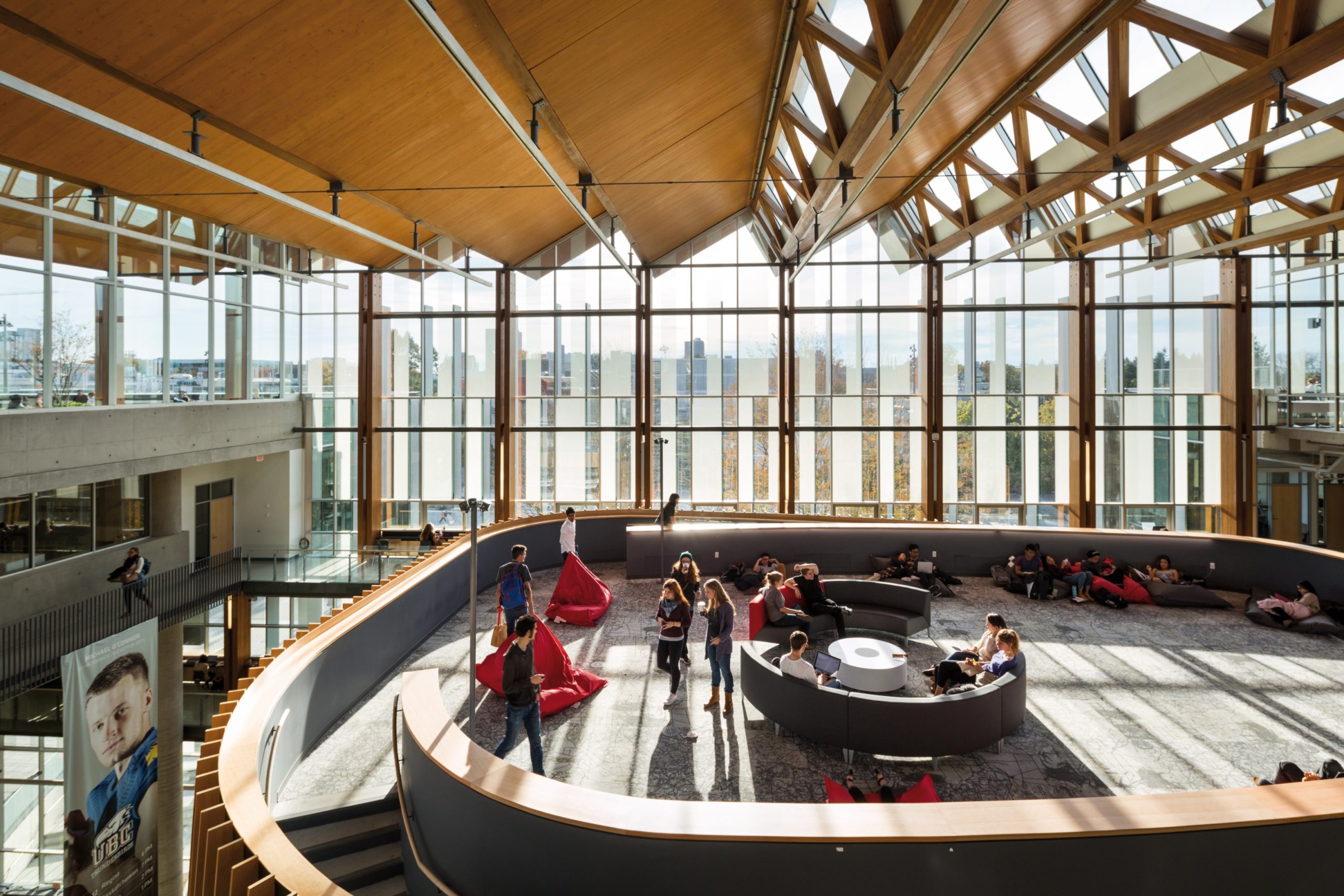
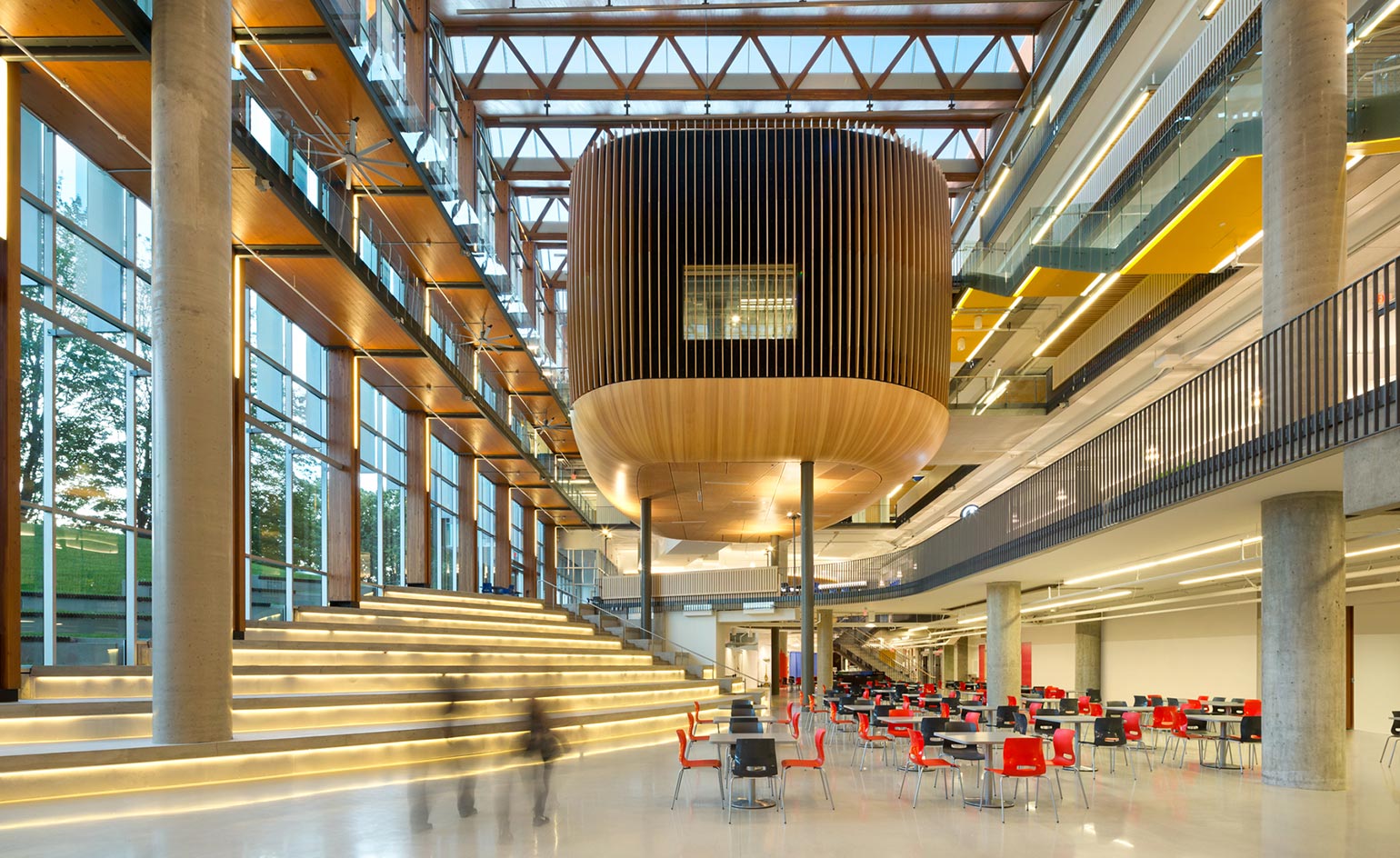
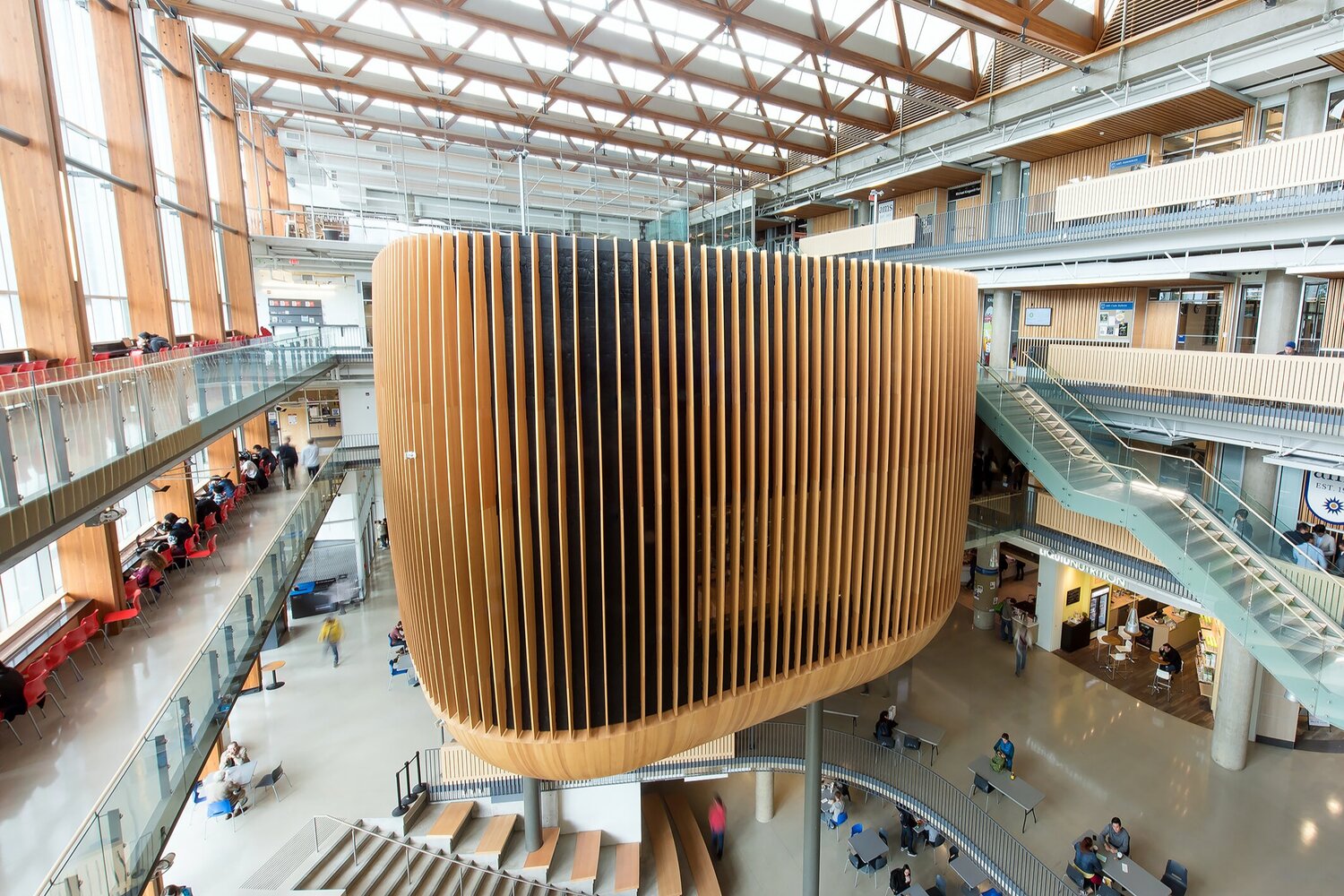
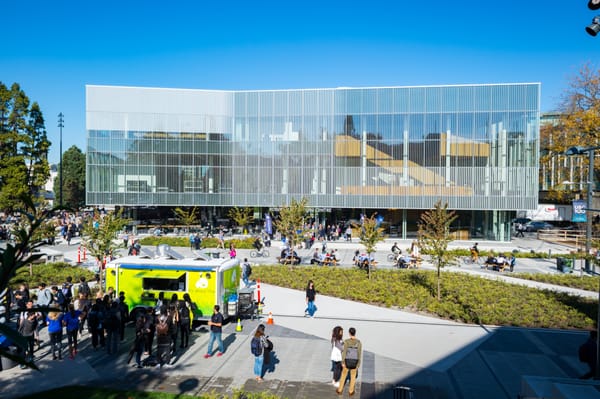
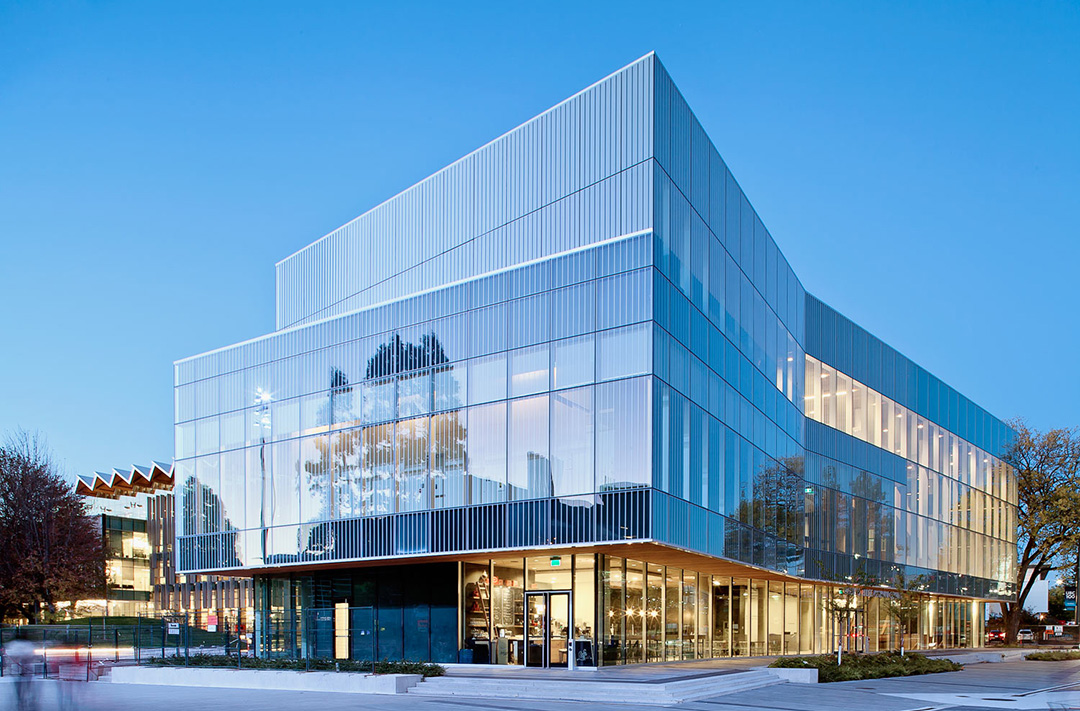
- The new EOS Learning Centre, an open space for collaborative work and study among students.
- Fieldwork opportunities that allow students to apply their knowledge in real-world settings.
Career Options
Graduates of the Bachelor of Science in Earth and Ocean Sciences can pursue a variety of career paths in Canada, including:
- Environmental Hydrogeologist: Focuses on groundwater resources and environmental protection.
- Geologist: Studies the Earth's materials, processes, and history to inform resource management and environmental policy.
- Mining and Metals Professional: Works in the extraction and management of mineral resources.
- Research Assistant: Engages in scientific research, often in academic or governmental settings.
- PhD Student in Mining Engineering: Pursues advanced studies and research in mining technologies and practices.
This program equips students with the skills and knowledge necessary to register as a Professional Geoscientist (P.Geo.) with the Association of Professional Geoscientists of British Columbia (APEGBC), opening doors to numerous opportunities in the earth sciences field.
DISCLAIMER: The information above is subject to change. For the latest updates, please contact LOA Portal's advisors.
Visit UBC - The University of British Columbia official website