Last updated on 2025-12-05

Program Overview
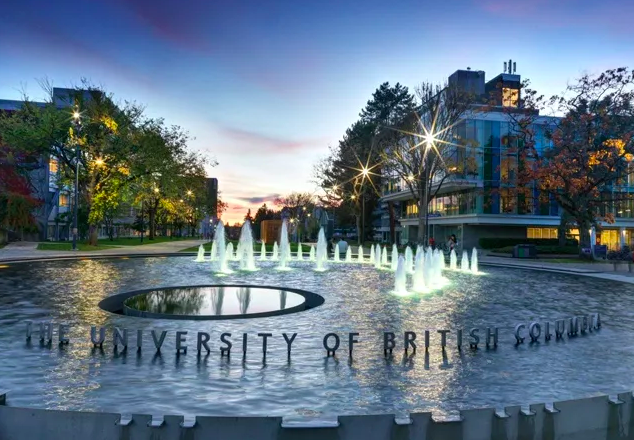
The Bachelor of Science - Combined Major in Science program at the University of British Columbia is designed to provide students with a broad-based science education. This structured program allows for significant discipline breadth while offering increased flexibility to take a greater number of courses. Students will develop essential skills such as conceptual understanding, research capabilities, communication, and collaboration, all while building a strong foundational knowledge in various scientific disciplines.
Program Structure
The Combined Major in Science program spans a duration of 4 years and offers a unique opportunity for students to engage in a co-op option, allowing them to combine their studies with full-time, paid work at top local and international organizations. The program emphasizes experiential learning through:
- Integration of three science disciplines for a customized education.
- Focus on lab and field work to enhance practical experience.
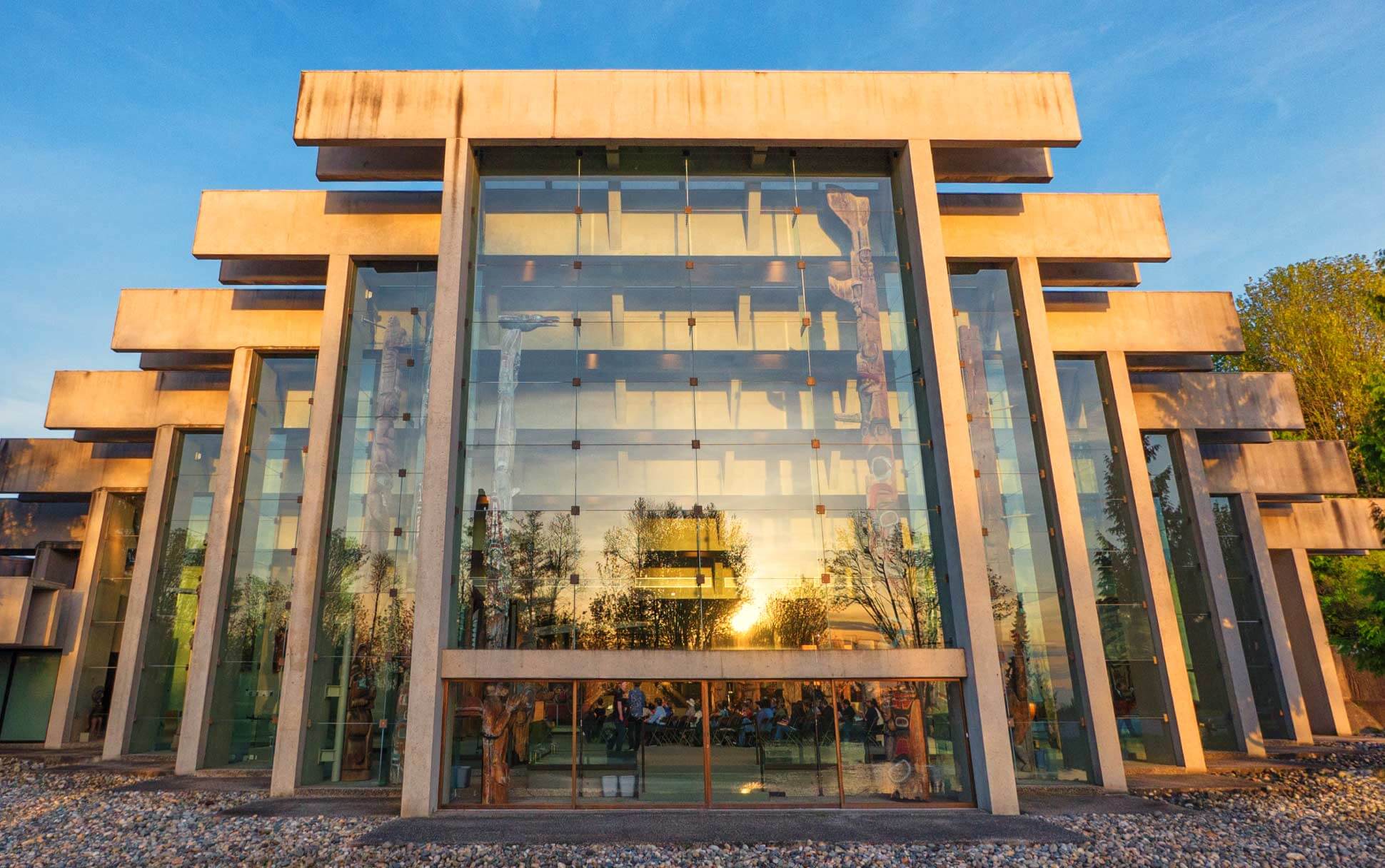
- Access to specialized facilities, including the Pacific Museum of the Earth and Beaty Biodiversity Museum.
This program is particularly suited for students interested in pursuing careers in scientific journalism, education, law, or medicine. It provides a solid foundation in three areas of concentration selected from five discipline areas: Chemistry, Life Sciences, Earth and Environmental Sciences, Mathematical and Computational Sciences, and Physics and Astronomy.
Featured Experiences
- Emphasis on lab and field work to promote experiential learning.
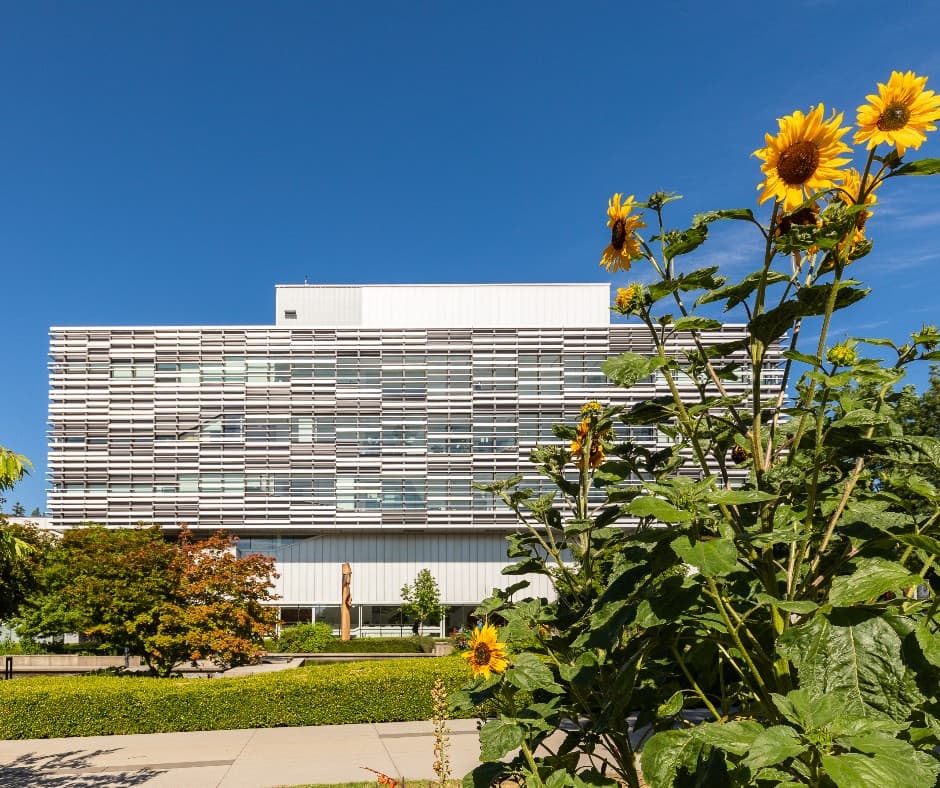
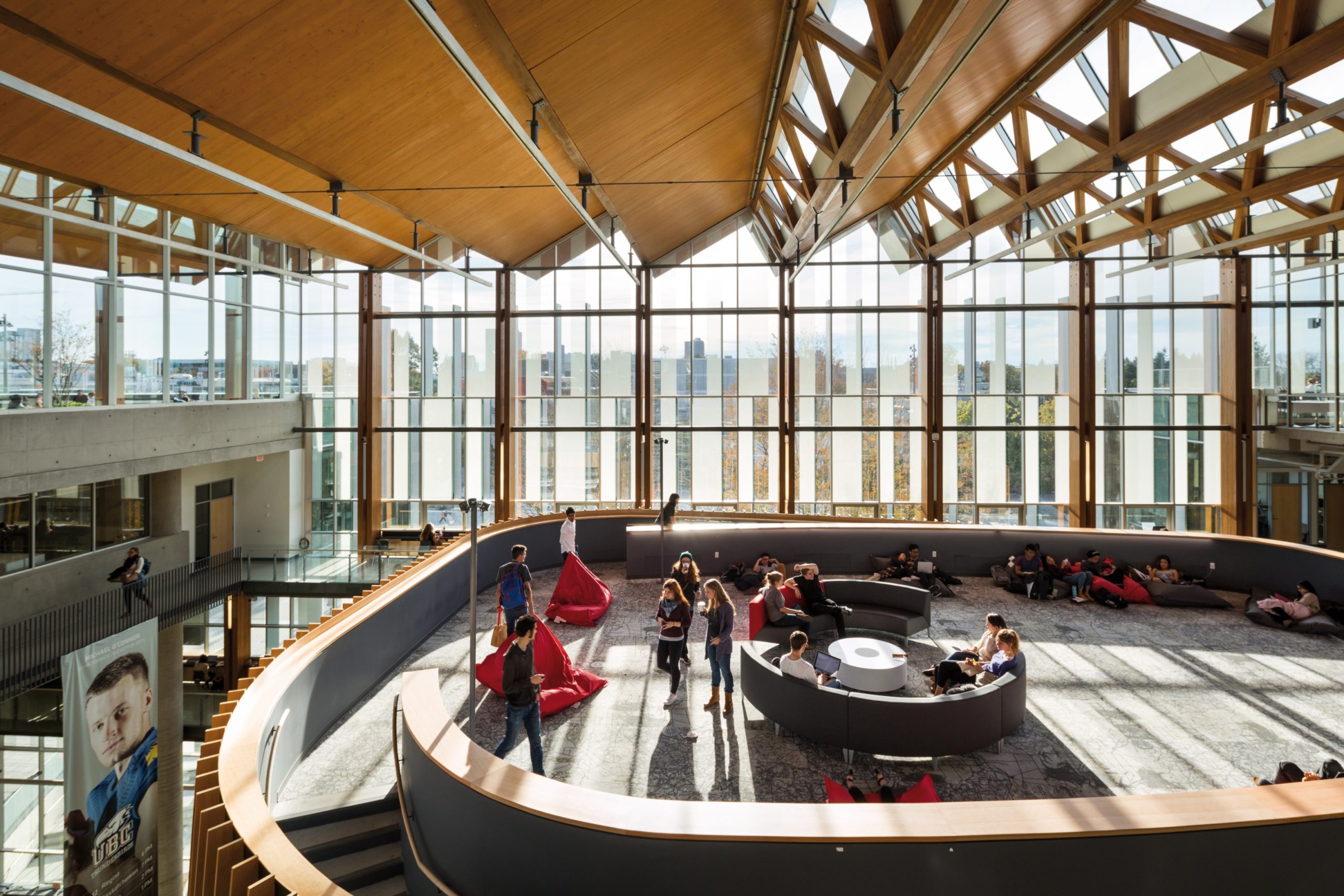
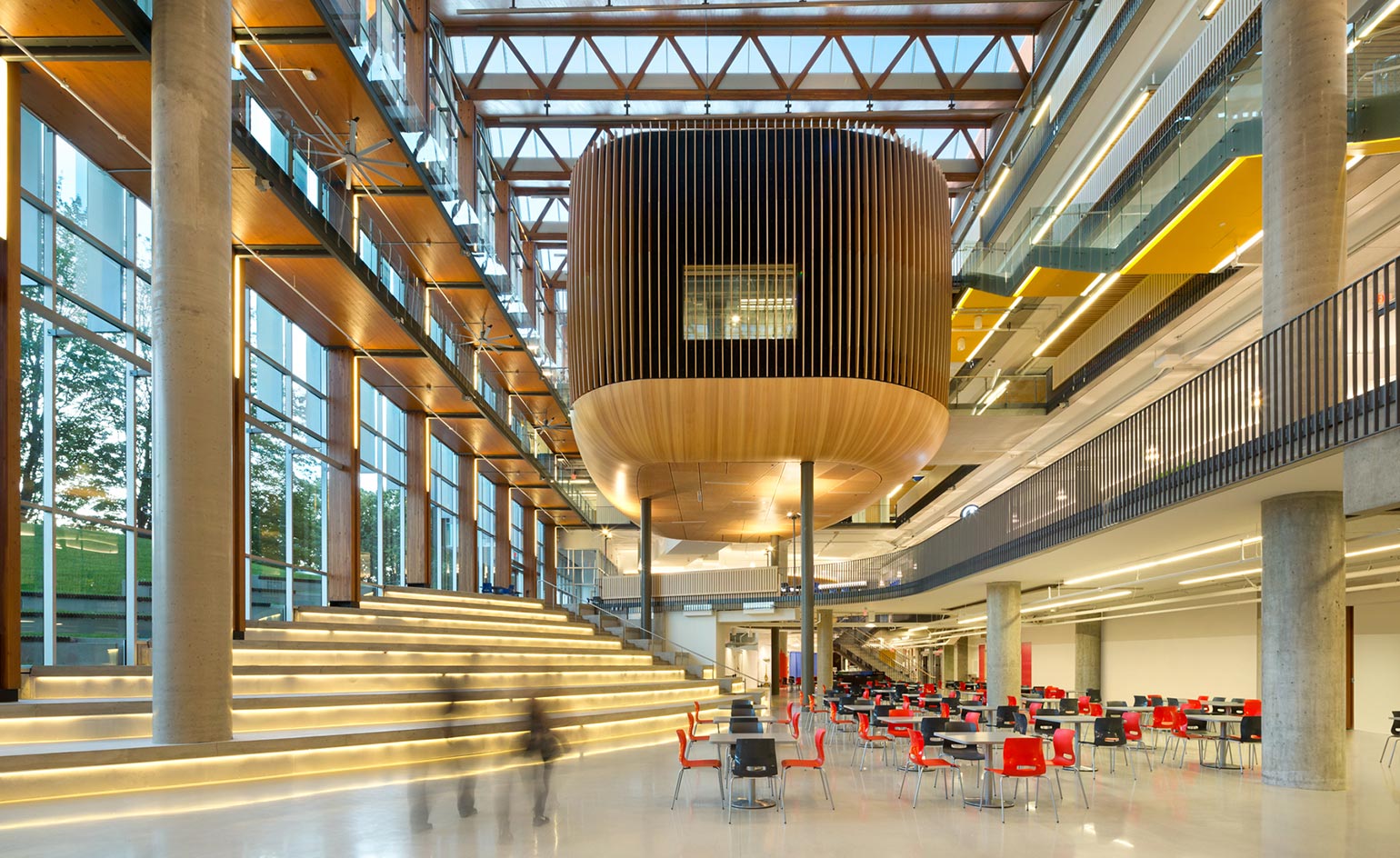
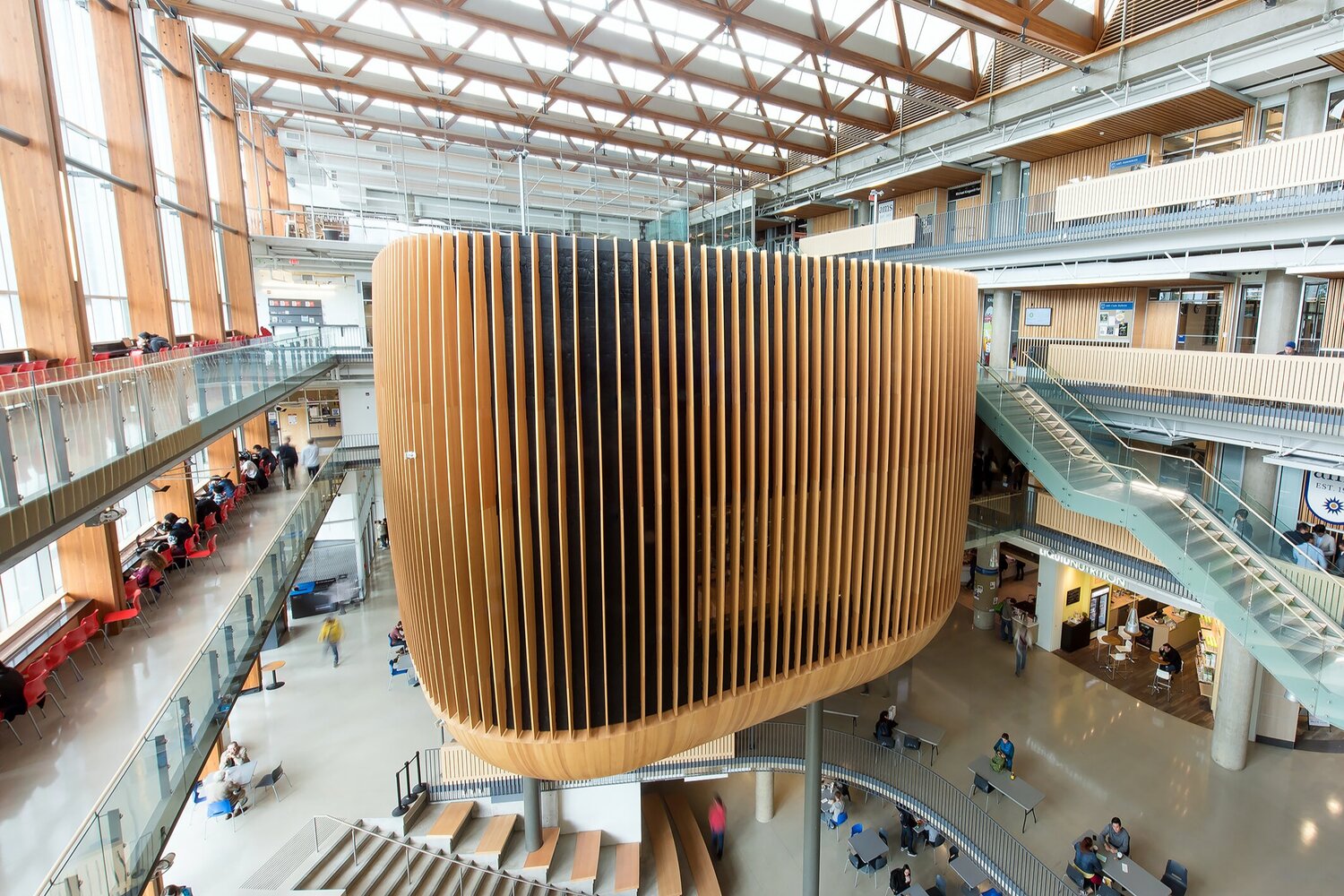
- Access to state-of-the-art facilities in the Biological Sciences Building and other science departments.
- Opportunity to participate in a co-op program, gaining valuable work experience while studying.
- Development of critical thinking and communication skills through hands-on projects and collaborative work.
Career Options
- Doctor of Pharmacy: Work in pharmacies or healthcare settings, providing medication management and patient care.
- Software Engineer: Design and develop software applications, utilizing programming skills and problem-solving abilities.
- Research Assistant: Assist in scientific research projects, collecting data and analyzing results in various fields.
- Environmental Consultant: Provide expertise on environmental regulations and sustainability practices to organizations.
- Science Educator: Teach science subjects at various educational levels, inspiring the next generation of scientists.
DISCLAIMER: The information above is subject to change. For the latest updates, please contact LOA Portal's advisors.
Visit UBC - The University of British Columbia official website