Last updated on 2025-12-05
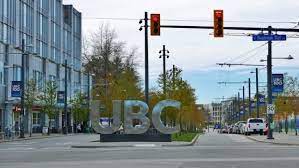
Program Overview
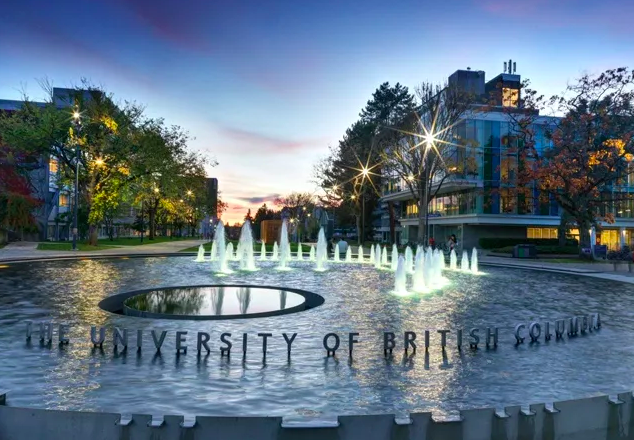
The Bachelor of Science in Geographical Sciences at the University of British Columbia (UBC) focuses on the fundamental interactions between life, including human societies, and the Earth's atmosphere, hydrosphere, and geosphere. This program is designed to provide students with a comprehensive understanding of geosciences, equipping them with the necessary skills to analyze and address environmental challenges. Students will engage in a variety of scientific disciplines, enhancing their knowledge through practical experiences and field research.
Program Structure
The Bachelor of Science in Geographical Sciences is a 4-year undergraduate program offered at UBC's Vancouver campus. The program structure includes:
- Field-based research as an integral component of the curriculum.
- Completion of at least two of five upper-year concentrations in biogeography, climatology, geographic information science, geomorphology, or hydrology.
- Option to participate in a co-op program, allowing students to combine their studies with full-time, paid work at top local and international organizations.
- Technical training incorporated into nearly all upper-level courses.
This program emphasizes experiential learning, ensuring that students gain hands-on experience in the field, which is crucial for their future careers in geosciences.
Featured Experiences
- Field research is a key component, with nearly all upper-level courses including field trips.
- Access to specialized computer labs and cartographic services tailored for undergraduate students.
- Opportunities for a combined honours degree in climatology or geology.
- Technical training that prepares students for real-world applications in geosciences.
Career Options
Graduates of the Bachelor of Science in Geographical Sciences can pursue a variety of career paths in Canada, including:
- Geological Technician: Assists geologists in the field and laboratory, conducting tests and analyzing geological data.
- Geoscientist: Studies the Earth's processes and materials, providing insights into environmental issues and resource management.
- Surveyor: Measures land and airspace, providing essential data for construction and land development projects.
- Environmental Consultant: Advises organizations on environmental best practices and compliance with regulations.
- GIS Specialist: Utilizes Geographic Information Systems to analyze spatial data and create maps for various applications.
This degree also provides a solid foundation for further studies, such as a Master's in Urban Planning or related fields.
DISCLAIMER: The information above is subject to change. For the latest updates, please contact LOA Portal's advisors.
Visit UBC - The University of British Columbia official website