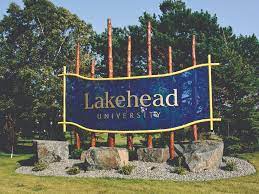
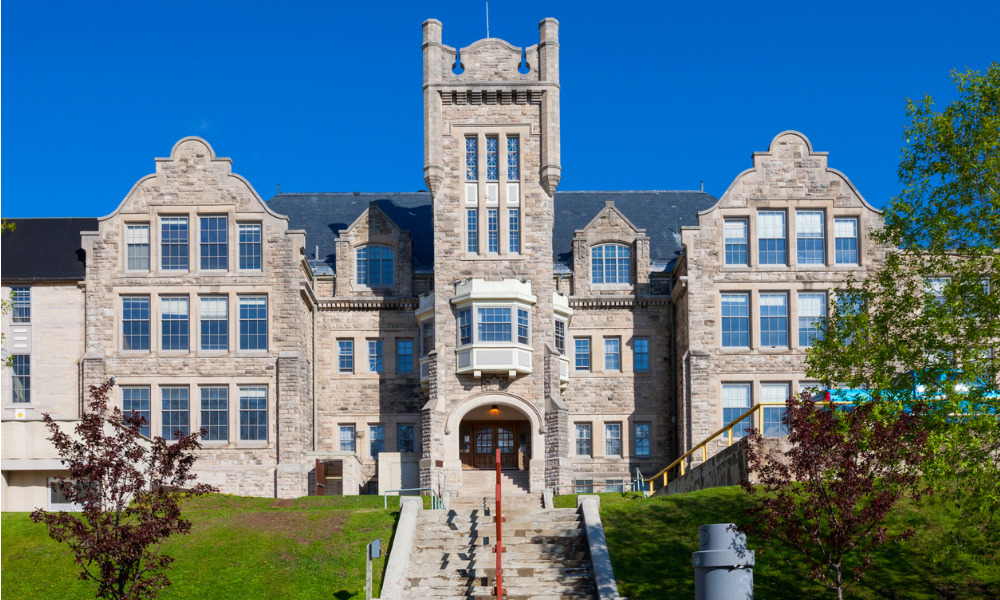
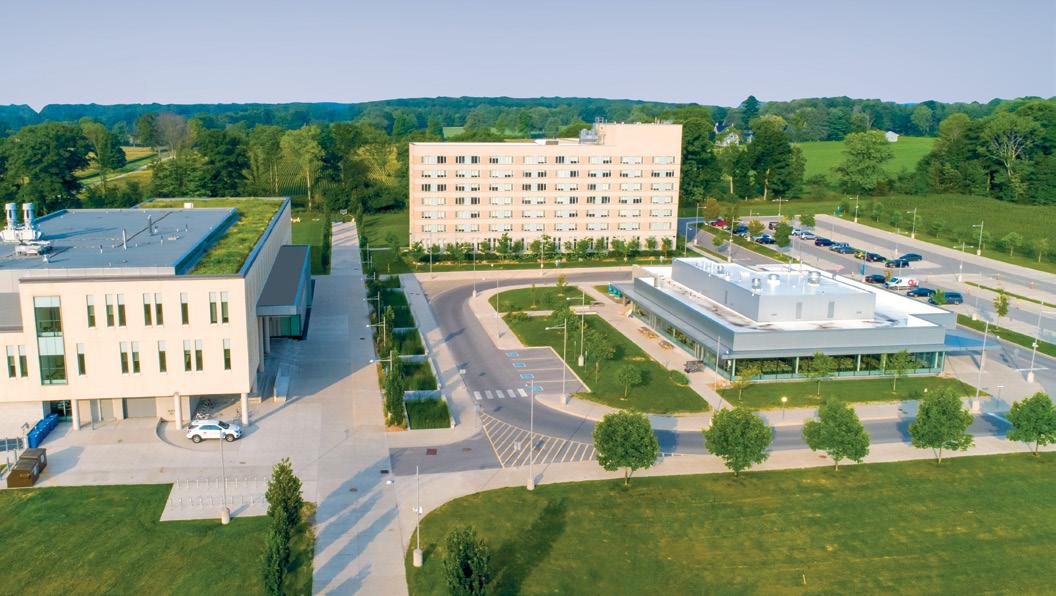
The Master of Education (MEd) program at Lakehead University is designed to cater to the professional and academic aspirations of students. This program offers a unique learning experience that addresses contemporary issues in education and research. Within the MEd framework, students can specialize in various fields, including Education for Change, which encompasses Environmental and Sustainability Education, Indigenous Education, and Social Justice Education. The program is flexible, allowing students to choose between a thesis, portfolio, or course route, and is available for both full-time and part-time studies. With small class sizes, students benefit from personalized interactions with faculty and peers, fostering a collaborative learning environment.
Program structure
The Master of Education program at Lakehead University is structured to provide a comprehensive educational experience. The program offers the following key features:
Program Length: Students can complete the program in a maximum of two years for full-time students and up to four years for part-time students.
Flexible study options, including full-time and part-time routes.
Three distinct routes for completion: Thesis, Portfolio, or Course.
Available specializations include Environmental and Sustainability Education, Indigenous Education, and Social Justice Education.
Courses are offered both on-campus and online, accommodating various learning preferences.
Students can expect a dynamic learning environment that adapts to their professional needs, ensuring a well-rounded educational journey.
Featured Experiences
The Master of Education program at Lakehead University offers several unique experiences that enhance the learning process:
Opportunities for collaborative research with faculty members who are experts in their fields.
Access to specialized resources such as the Centre for Place and Sustainability Studies and the Multi-Data Convergence Laboratory.
Courses available in both traditional classroom settings and online formats, providing flexibility for students.
Engagement in innovative learning experiences that focus on real-world applications of educational theories.
Small class sizes that promote interaction and personalized learning experiences.
These features ensure that students not only gain theoretical knowledge but also practical skills applicable in various educational contexts.
Career Options
Graduates of the Master of Education program, particularly those specializing in Education for Change, can pursue a variety of career paths in Canada. Here are some potential job options:
Environmental Educator: Develops and implements educational programs focused on environmental awareness and sustainability practices.
Indigenous Education Coordinator: Works with schools and communities to integrate Indigenous perspectives and knowledge into educational curricula.
Social Justice Advocate: Engages in policy development and community outreach to promote equity and social justice in education.
Curriculum Developer: Designs educational materials and programs that reflect contemporary educational theories and practices.
Researcher in Education: Conducts studies and analyses to contribute to the field of education, focusing on areas such as sustainability and social justice.
These roles highlight the diverse opportunities available to graduates, allowing them to make meaningful contributions to the field of education and society at large.
DISCLAIMER: The information above is subject to change. For the latest updates, please contact LOA Portal's advisors.
Applicants for admission must be graduates of a recognized university, college, or institute as well as show evidence of scholarly achievement. Except where otherwise stated in the Admission Requirements of a particular program, degree students must have a four year bachelor's degree or its equivalent with at least second class standing (B) based on their last 20 half courses or equivalent.
For applicants from countries that follow a British-patterned grading system, please note:
Overall standings are normally reported in lieu of an average. The CGPA can be determined on the basis of annual or overall standings as reported on the transcript or degree certificate.
A minimum grade of B, or Second Class, Upper Division, is required.
The National Diploma and Higher National Diploma are not recognized for admission to a graduate-level program.
Be sure to include a copy of your institution grading scale when uploading your transcripts.
An applicant holding a degree other than one in the discipline area to which admission is sought will be considered on the basis of courses taken and academic standing.
Meeting the minimum requirements does not necessarily guarantee admission. No candidate will be admitted unless the academic unit recommends admission. All applicants will be advised by the Office of Graduate Studies in writing of their admission status.
View English Language Proficiency Requirements
View Lakehead University Calendar Disclaimer
Program Specific Requirements
In addition to the general admission requirements for Master programs, the following minimum requirements also apply:
An acceptable three year or four year Bachelor's degree and Bachelor of Education or equivalent, each with at least a second class standing (B) OR Two years professional experience and a minimum "B" average in a four-year Bachelor's degree or equivalent
As an exception to the Faculty of Graduate Studies Master's Regulations regarding Proficiency in the English Language, the admission to the MEd program requires a higher standard. English is the primary language of communication and instruction in the program. Applicants from other countries who have not completed a degree at a university where the primary language of instruction is English must provide an acceptable English test.
Academic References are now optional for our MEd program
Applicants with an average between 70% and 75%, if accepted, are initially admitted to the course route. Once admitted, a student may request a transfer to the portfolio or thesis route. Requests must include a written confirmation from a full-time faculty member who is prepared to act as the student's thesis supervisor.
NOTE: Although the above requirements should be considered as normal minimum requirements for admission, equivalent qualifications may be considered. The University retains the right to select candidates and to limit enrolment in accordance with available resources
View Calendar
Language Requirements
English Language Requirements
Accepted tests and minimum scores:
Canadian Academic English Language Assessment (CAEL) or CAEL CE (Computer Edition) or CAEL Online: 60
Cambridge Academic English (C1 Advanced or C2 Proficiency): 176 (no individual score less than 169)
Duolingo English Test: 120 (no individual sub-score less than 115)
International English Language Testing System (IELTS): 6.5 (no individual score less than 6.0)
Michigan English Test (MET): 85
Pearson Test of English Academic (PTE Academic): 58 (no component score less than 50)
Test of English as a Foreign Language (TOEFL), Institution Code 0888: 4.5 overall (no section below 4.0) for tests completed as of January 2026; Internet Based Test (iBT) 80 (no component score less than 19) for valid tests taken prior to January 2026
DISCLAIMER: The information above is subject to change. For the latest updates, please contact LOA Portal's advisors. The listed minimum requirements are a guideline and do not guarantee admission. Do not worry, we will notify you of any changes during the application process.
Over 1,000 Global Students Succeed Abroad Each Year with LOA Portal
Begin your study abroad journey with expert guidance and a powerful platform built for you - with all services fully sponsored.
We use cookies to ensure you have the best browsing experience on our website. By using our site, you acknowledge that you have read and understood our Terms of service & Privacy policy.