Last updated on 2025-12-05
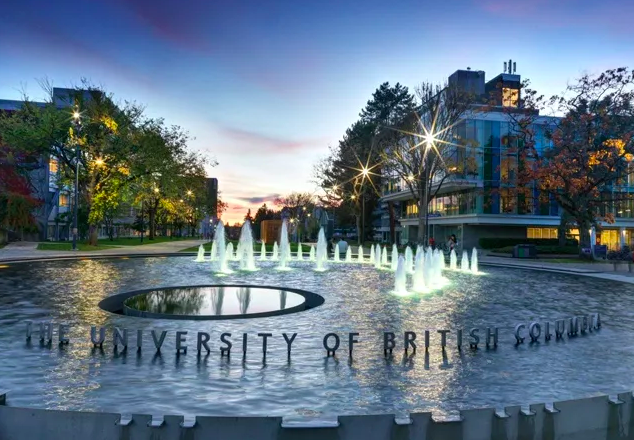
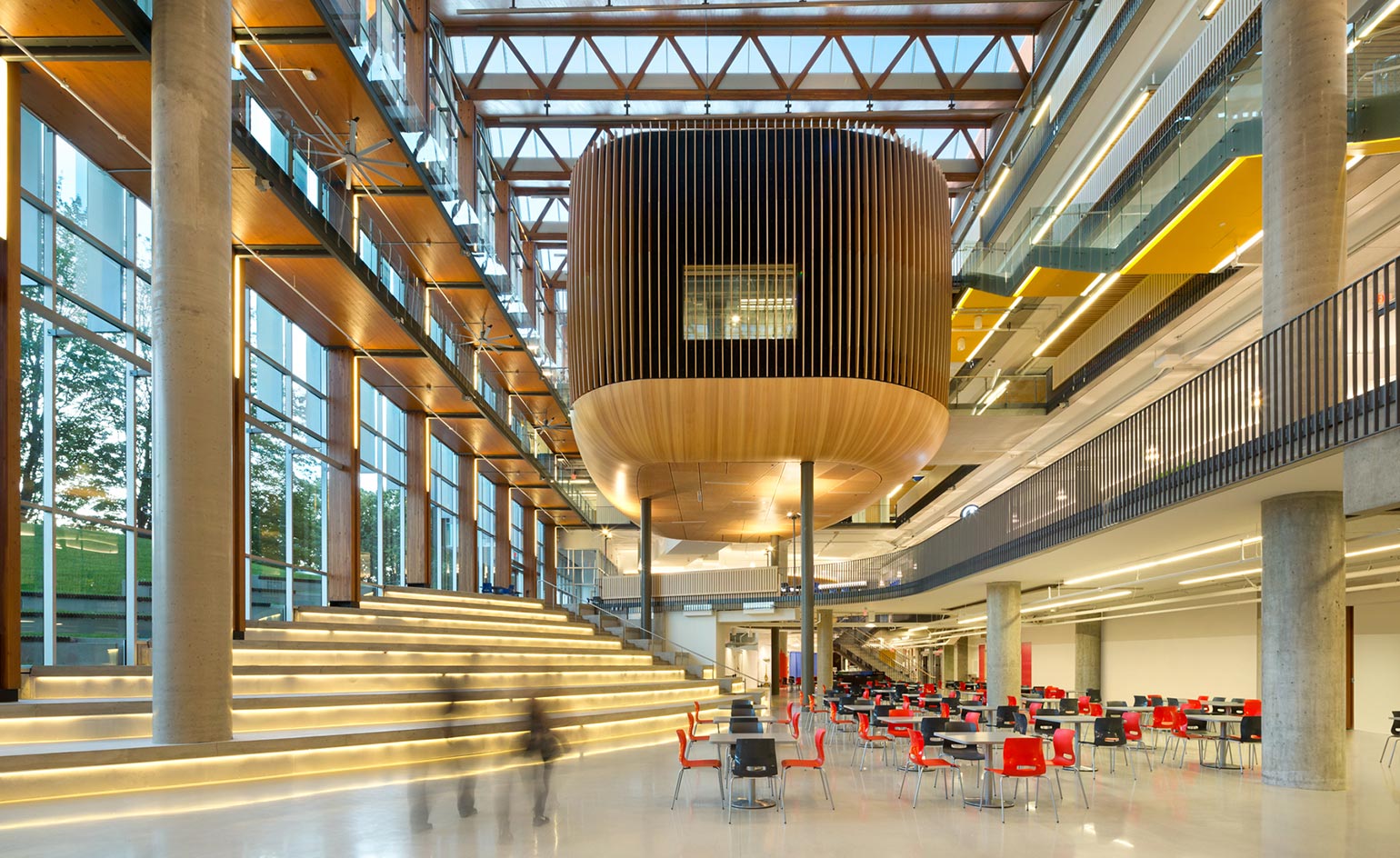
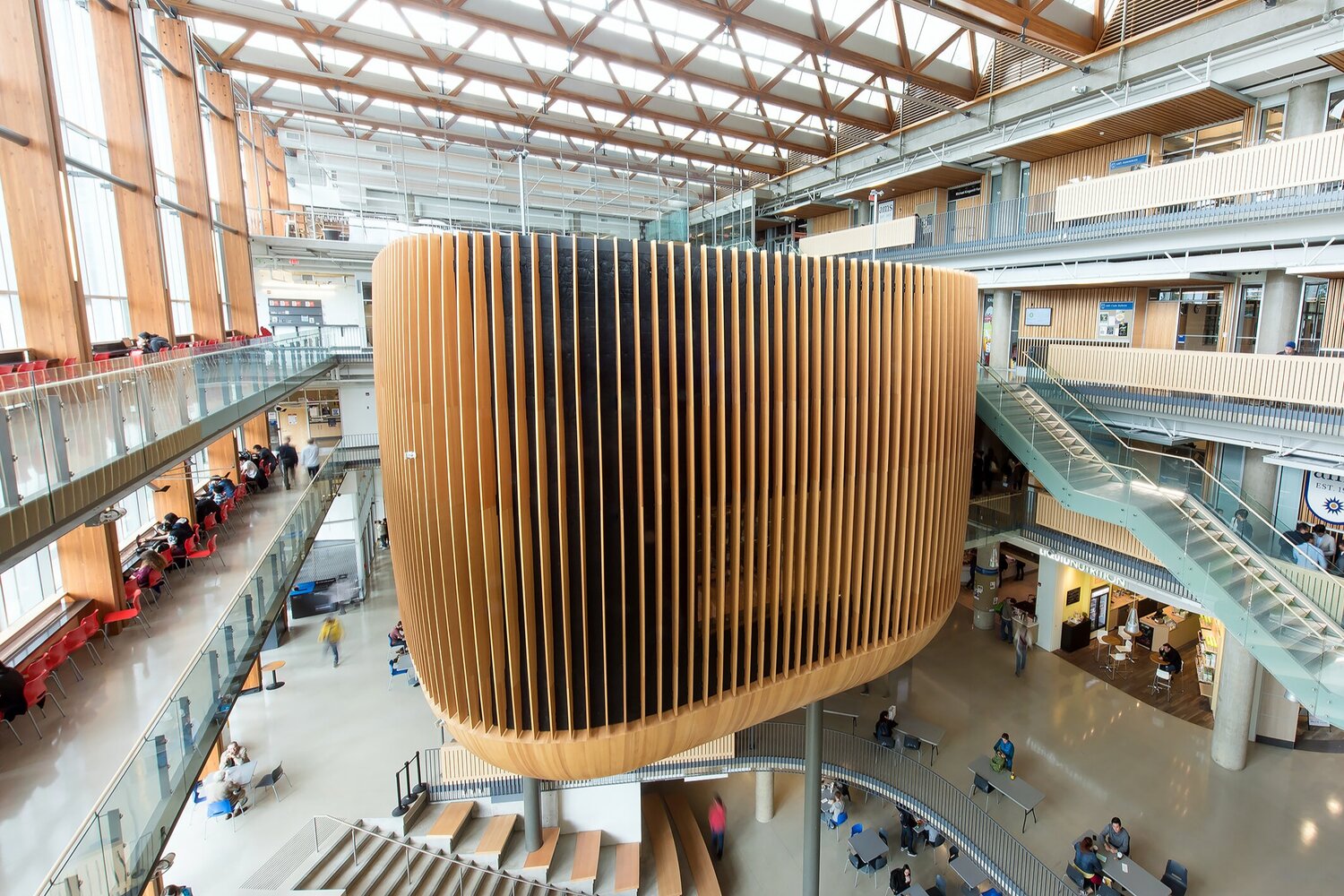
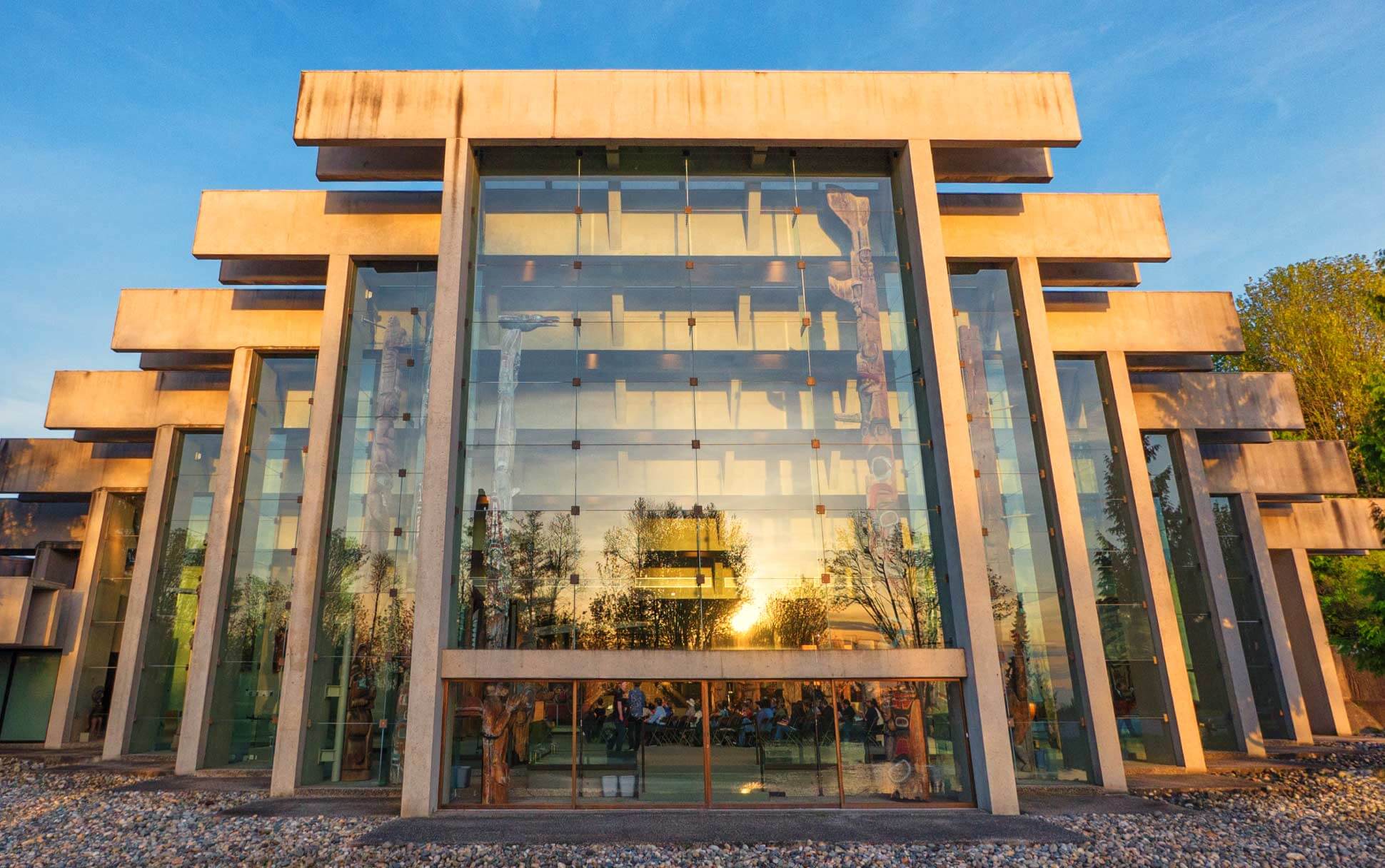
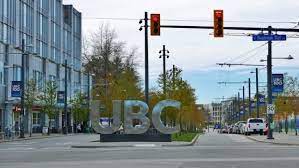
Program overview
Discover how science and engineering principles can be used to preserve our natural environment in this 4.5-year joint degree between UBC and UNBC. The Bachelor of Applied Science (Engineering) in Environmental Engineering focuses on applying scientific and engineering principles to improve air, land, water, and living systems, ensuring a healthy environment for future generations. This program is designed for those passionate about engineering and environmental preservation, providing a comprehensive education that prepares students for various challenges in the field.
Program structure
The Bachelor of Applied Science (Engineering) in Environmental Engineering is structured as follows:
- Program Length: 4.5 years (nine semesters)
- Co-op Option: Yes, students can combine their studies with full-time, paid work at top local and international organizations.
- The program begins with a two-year foundation in mathematics, basic sciences, and environmental sciences at UNBC.
- Years three and four focus on engineering fundamentals, analysis, and design through courses at UBC.
- The final term at UNBC involves exposure to practical environmental engineering problems.
This unique collaboration between UNBC and UBC leverages the strengths of both institutions, ensuring students receive a well-rounded education that meets the criteria of the Canadian Engineering Accreditation Board.
Featured Experiences
- Co-op Program: Students have the opportunity to gain practical experience through full-time, paid work placements.
- Joint Degree: The program is a collaboration between UNBC and UBC, combining expertise in environmental science and engineering.
- Hands-on Learning: The final term includes practical exposure to real-world environmental engineering challenges.
- Laboratory Work: Students participate in laboratory experiments that illustrate key concepts in environmental engineering.
- Field Studies: Opportunities to engage in fieldwork related to environmental engineering issues.
Career Options
Graduates of the Bachelor of Applied Science (Engineering) in Environmental Engineering can pursue a variety of career paths in Canada, including:
- Environmental Engineer: Design and implement solutions to environmental problems, ensuring compliance with regulations.
- Water Resource Engineer: Focus on the management and conservation of water resources, including water treatment and distribution.
- Air Quality Engineer: Work on projects aimed at reducing air pollution and improving air quality standards.
- Waste Management Specialist: Develop strategies for waste reduction, recycling, and sustainable disposal methods.
- Environmental Consultant: Provide expert advice to organizations on environmental practices and compliance with regulations.
These roles span various industries, including agriculture, forestry, manufacturing, construction, and energy distribution, offering diverse opportunities for graduates to make a positive impact on the environment.
DISCLAIMER: The information above is subject to change. For the latest updates, please contact LOA Portal's advisors.
Visit UBC - The University of British Columbia official website