Last updated on 2025-12-05
Program Overview
The Bachelor of Applied Science (Engineering) in Environmental Engineering at UBC Vancouver is designed to equip students with the knowledge and skills necessary to tackle pressing environmental issues. This program focuses on improving the quality of air, land, and water through innovative engineering practices. Students will learn to address waste treatment, recycling, and pollution mitigation, preparing them for a career that is increasingly in demand across various sectors, including government and industry.
Program Structure
The Bachelor of Applied Science (Engineering) in Environmental Engineering is a 4-year undergraduate program that combines theoretical knowledge with practical experience. The program structure includes:
- Classroom learning complemented by team-based projects.
- Hands-on laboratory experiences to apply engineering principles.
- Fieldwork opportunities with local municipalities to gain real-world insights.
- Design courses each year to prepare students for professional practice.
- Optional co-op placements for full-time, paid work experience.
This program emphasizes experiential learning, allowing students to engage with communities on critical projects, thereby enhancing their educational journey and professional network.
Featured Experiences
- Co-op placements available for gaining paid, full-time work experience.
- Hands-on learning in laboratories to illustrate key environmental engineering concepts.
- Fieldwork experiences collaborating with local municipalities.
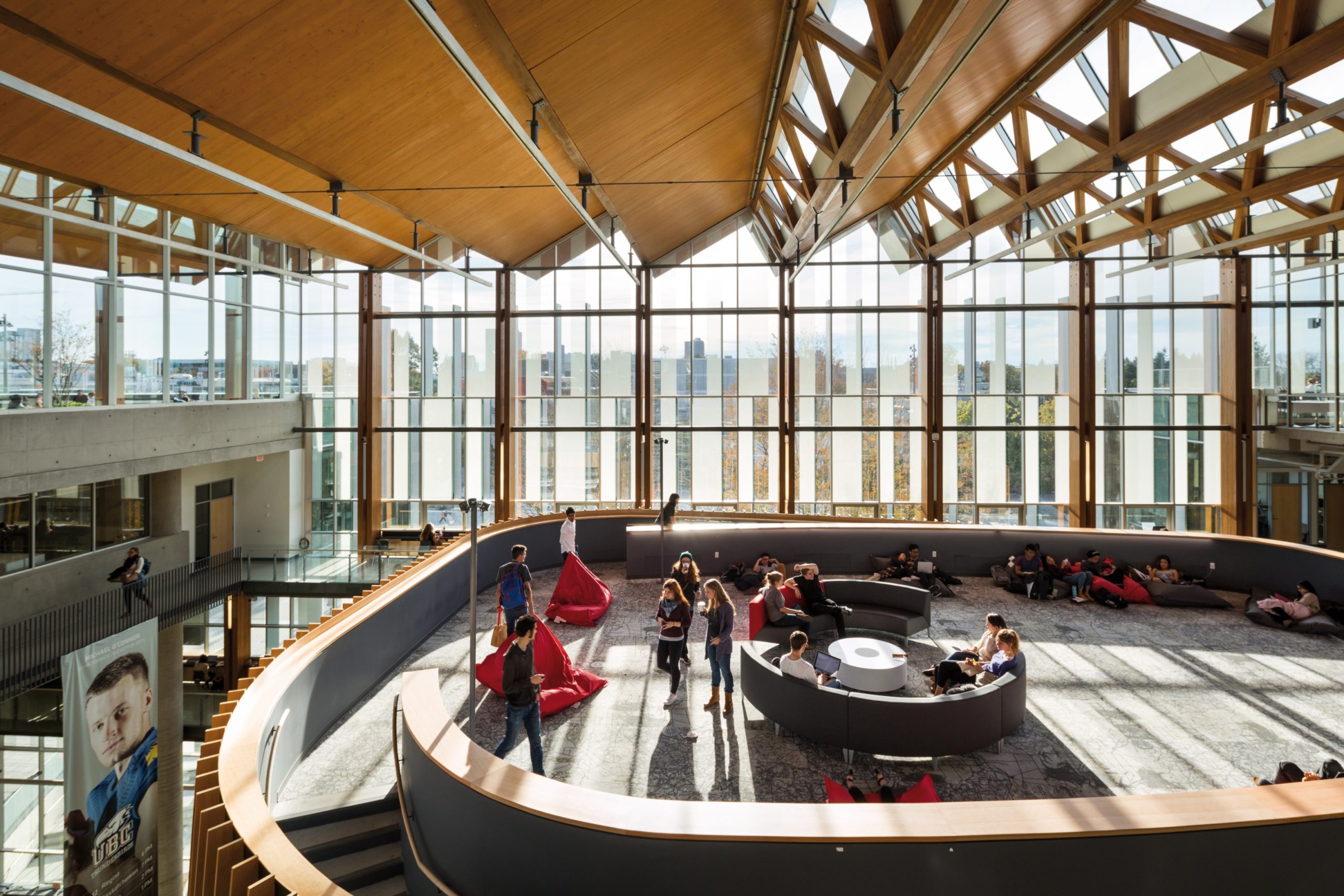
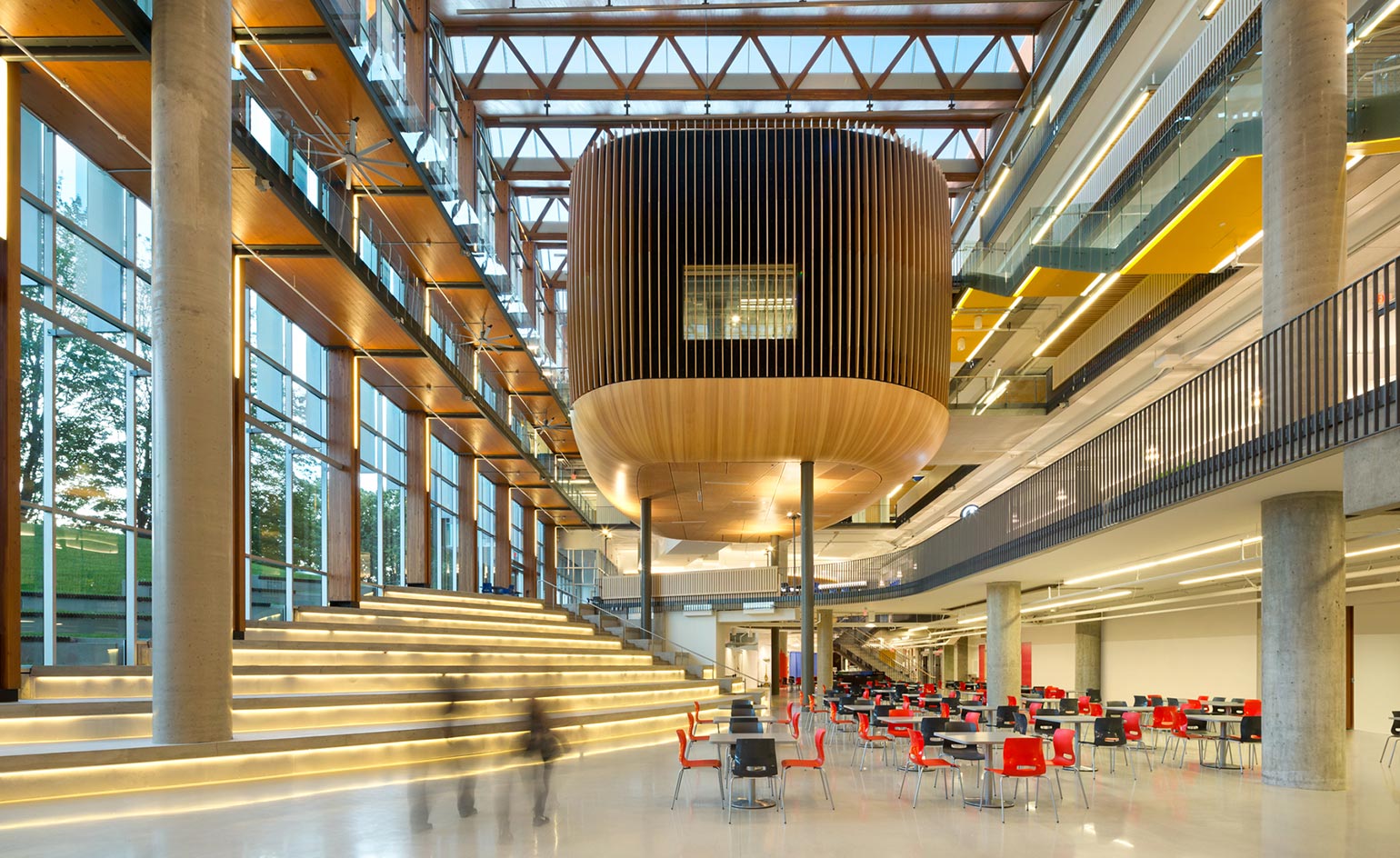
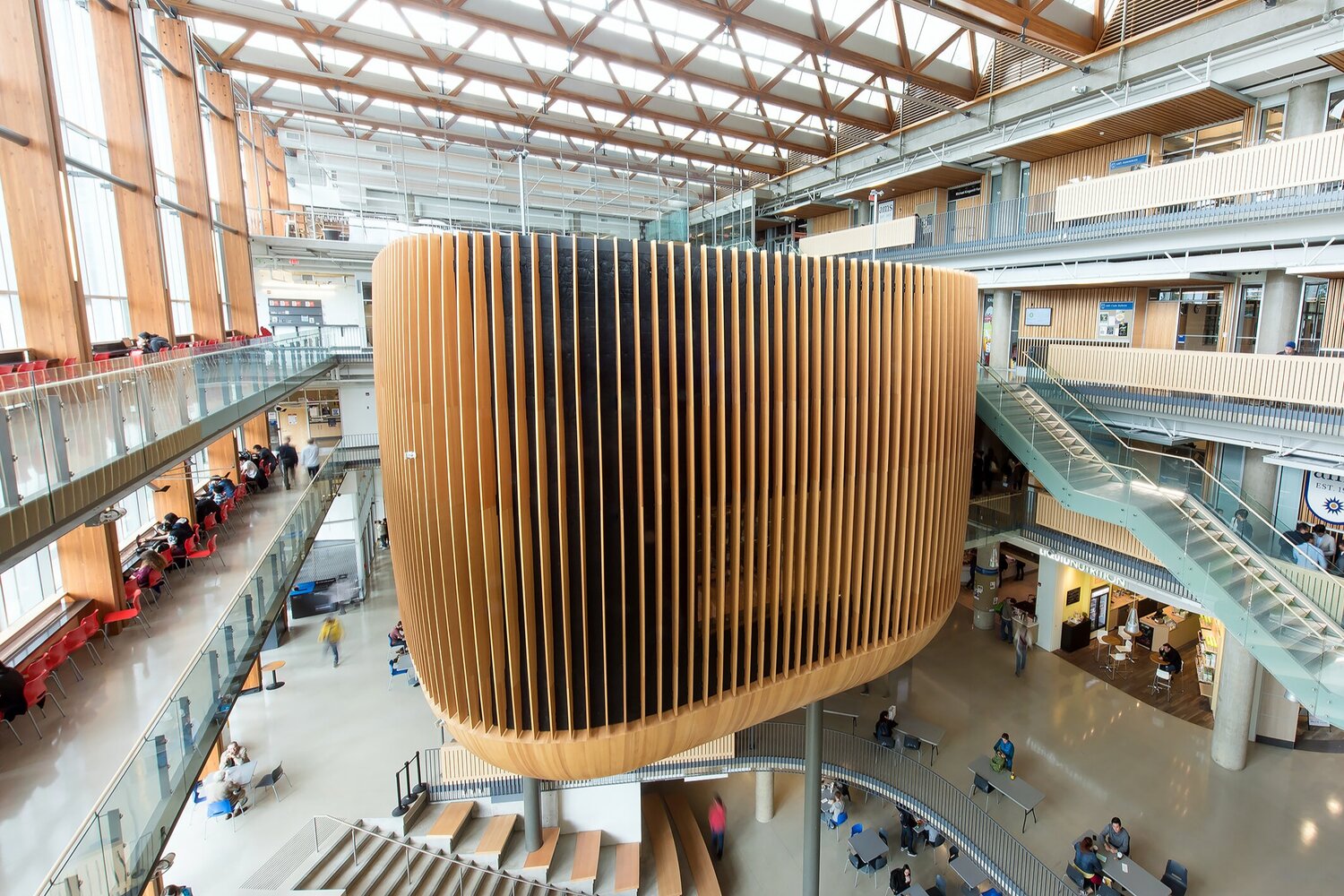
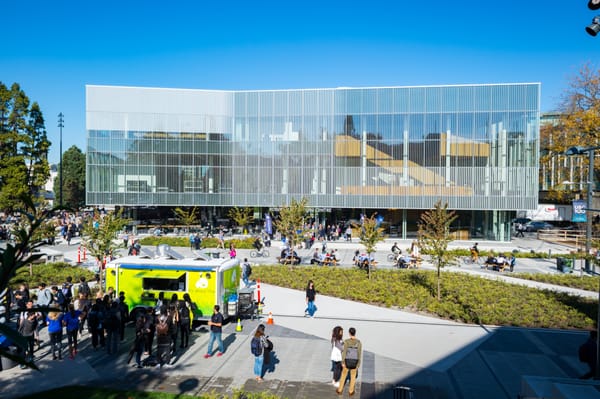
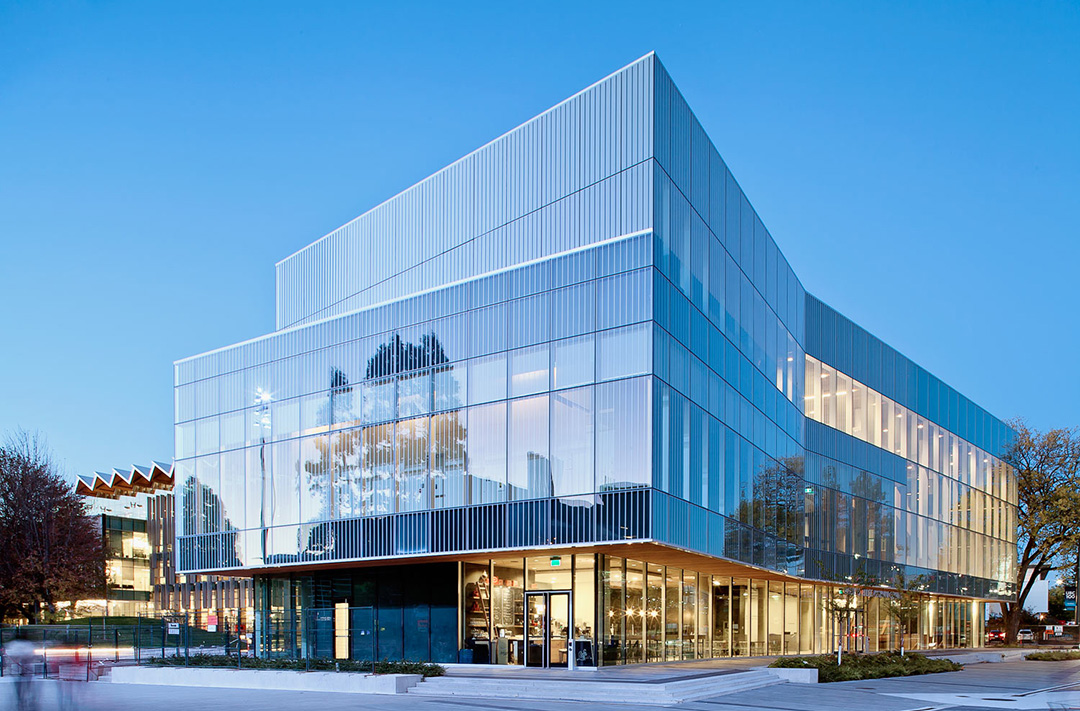
- Utilization of UBC’s sustainable infrastructure as a living lab for practical learning.
- Team-based projects that foster collaboration and problem-solving skills.
Career Options
Graduates of the Environmental Engineering program can pursue a variety of career paths in Canada, including:
- Environmental Engineer: Design and implement solutions to environmental problems, focusing on pollution control and waste management.
- Sustainability Consultant: Advise organizations on sustainable practices and help them comply with environmental regulations.
- Environmental Policy Analyst: Analyze and develop policies related to environmental protection and sustainability.
- Water Resource Engineer: Manage and design systems for water supply, treatment, and distribution, ensuring safe and sustainable water resources.
- Environmental Scientist: Conduct research and assessments to understand environmental issues and develop strategies for mitigation.
DISCLAIMER: The information above is subject to change. For the latest updates, please contact LOA Portal's advisors.
Visit UBC - The University of British Columbia official website