Last updated on 2026-03-27
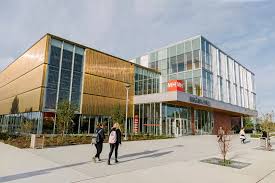
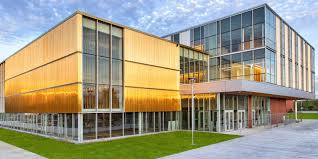
Program overview
Seneca's Animation program offers an innovative approach to learning both traditional and digital animation techniques. Over the course of this advanced diploma, students will immerse themselves in a creative environment, gaining essential skills in drawing storyboards, designing scenes, and animating characters. The curriculum emphasizes the application of theories related to motion, timing, storytelling, and digital technology, enabling students to produce high-quality animations. This program is designed to prepare graduates for the collaborative nature of the animation industry, making them highly sought-after candidates in a rapidly evolving field.
Program structure
The Animation program at Seneca is structured to provide a comprehensive education over a duration of 6 semesters (3 years). The program is offered in a hybrid format, combining online coursework with in-person learning requirements. Key features of the program structure include:
- Full-time study option available.
- Specialization streams in 2D animation, 3D animation, gaming, or visual development, with opportunities to work collaboratively across disciplines.
- A hands-on curriculum that emphasizes cross-disciplinary training, preparing students for the collaborative work environment in the animation industry.
- A capstone project in the third year that involves teamwork and practical application of skills learned throughout the program.
This innovative structure ensures that students develop a well-rounded skill set, making them competitive in the job market upon graduation.
Featured Experiences
The Animation program at Seneca offers a variety of unique experiences that enhance the learning process:
- Hands-on training in the state-of-the-art Animation Specialization Lab, providing practical experience in animation techniques.
- Collaboration with students from other specialization streams, fostering teamwork and cross-disciplinary skills.
- Access to industry-standard tools and software, including partnerships with Unreal and Houdini, which enhance the learning experience.
- Opportunities to participate in industry events and festivals, such as the Toronto Animation Arts Festival International and the Ottawa International Animation Festival.
- Career support through Seneca Works, offering job boards, career coaching, and networking opportunities for students and graduates.
Career Options
Graduates of the Animation program can pursue a variety of career paths in Canada, including:
- 2D and 3D Animator: Create animated sequences for television, film, and video games, utilizing both traditional and digital techniques.
- Visual Effects Artist: Work on enhancing film and television productions by creating realistic visual effects and animations.
- Game Designer: Develop characters, environments, and animations for video games, focusing on gameplay and user experience.
- Storyboard Artist: Visualize scripts and concepts by creating storyboards that outline the sequence of events in animations and films.
- Concept Artist: Design and illustrate characters, environments, and props for various media, including games and animated films.
These roles highlight the diverse opportunities available to graduates, allowing them to apply their skills in various sectors of the animation industry.
DISCLAIMER: The information above is subject to change. For the latest updates, please contact LOA Portal's advisors.
Visit Seneca Polytechnic official website