Last updated on 2026-09-21

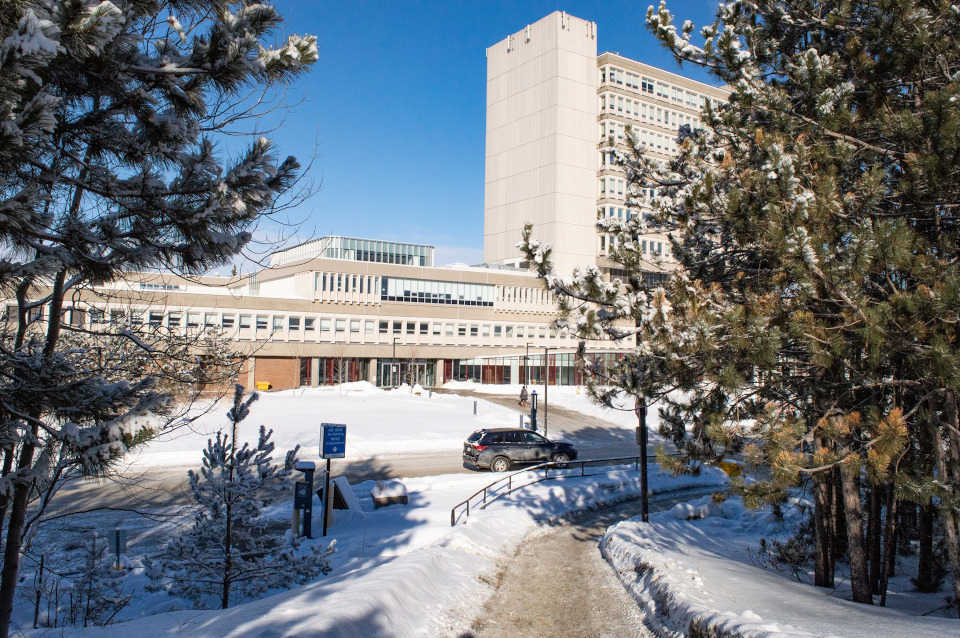


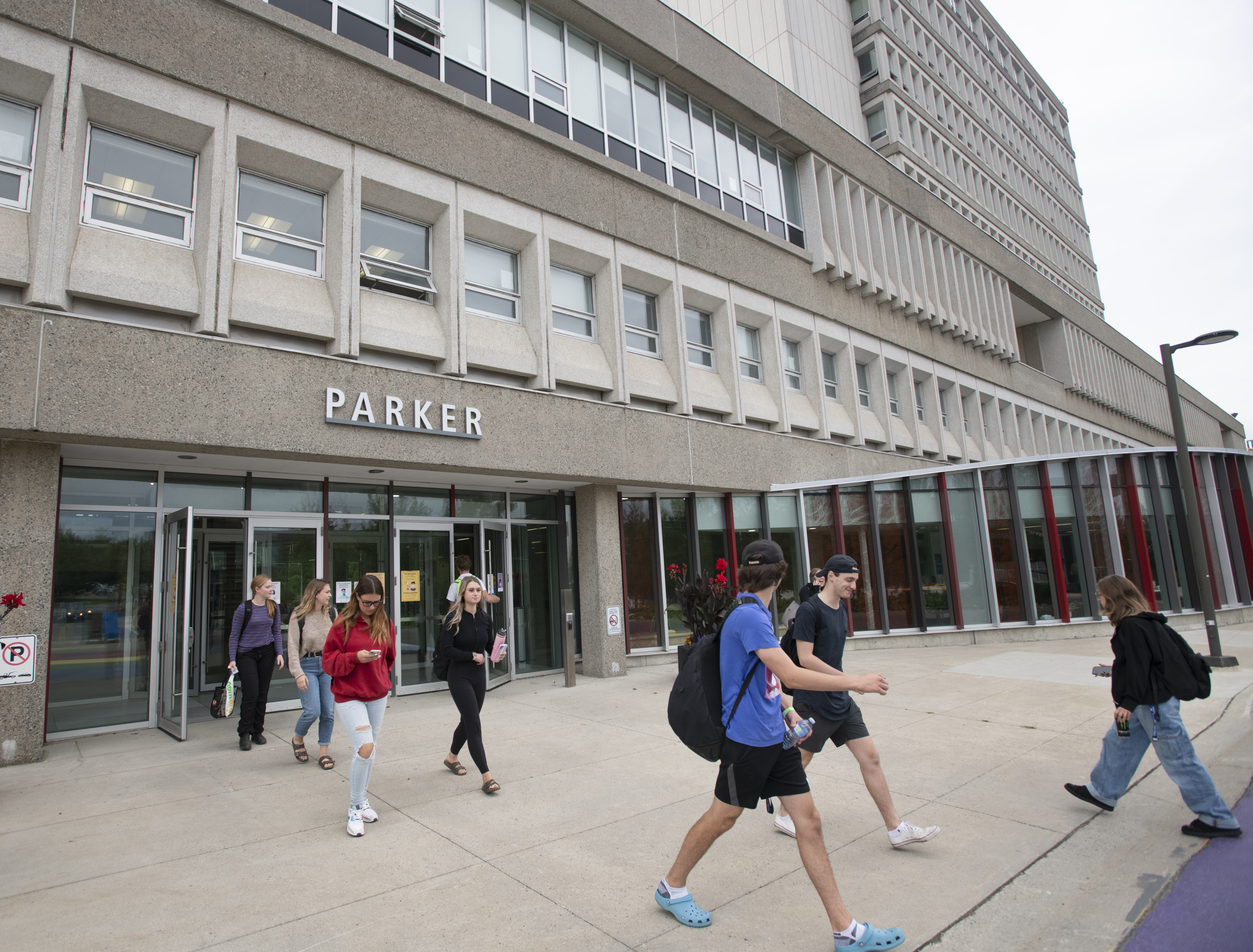




Program Overview
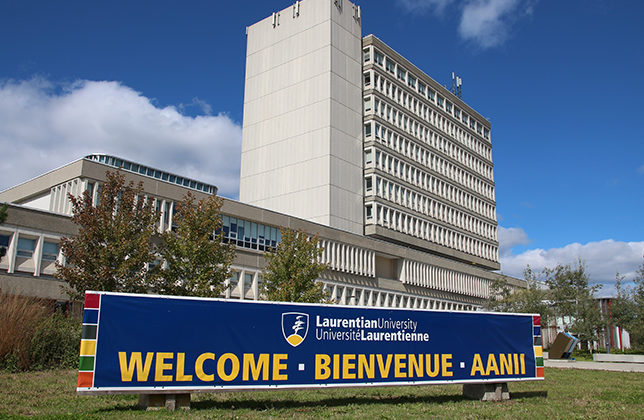
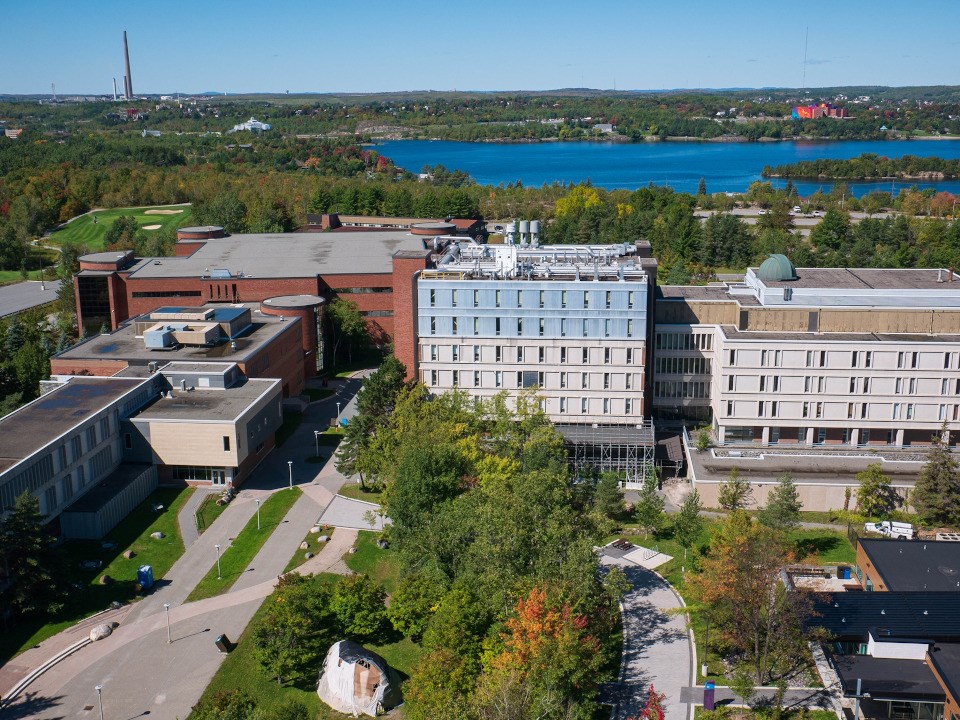
Discover the Master of Forensic Science (MFS) program at Laurentian University, one of only two such programs in Canada. This program emphasizes a hands-on learning approach, allowing students to conduct world-class research in a state-of-the-art forensic teaching laboratory and crime scene apartment. Students will enhance their skills in various areas of forensic science, including DNA analysis, forensic chemistry, and toxicology. With a commitment to high-quality education, the program is designed to build on the foundational knowledge gained at the undergraduate level, ensuring that graduates are well-prepared for their future careers in this dynamic field.
Program Structure
The Master of Forensic Science program at Laurentian University is structured to be completed in a minimum of 12 months. The program is delivered in a hybrid format, allowing students to engage in both in-person and online courses. Key features of the program structure include:
- Research-intensive curriculum designed to advance scientific skills.
- Access to specialized laboratories, including DNA, osteology, and toxicology labs.
- Small class sizes to ensure personalized attention from faculty.
- Hands-on learning experiences through practical projects.
This program is ideal for graduates of undergraduate programs in forensic science who are looking to deepen their expertise and enhance their career prospects in the field.
Featured Experiences
The Master of Forensic Science program offers a variety of unique experiences that enhance the learning journey:
- Access to a state-of-the-art forensic teaching laboratory and crime scene apartment.
- Hands-on training in specialized labs, including Forensic Toxicology and Scanning Electron Microscope Laboratories.
- Opportunities for conducting original investigations through a Major Applied Project.
- Collaboration with experienced faculty who are practitioners and researchers in forensic science.
- Engagement in a research-intensive environment that prepares students for real-world challenges.
Career Options
Graduates of the Master of Forensic Science program can explore a wide range of career opportunities in Canada. Some potential job roles include:
- Forensic Identification Officer: Responsible for collecting and analyzing physical evidence from crime scenes.
- Forensic Pathologist: Medical doctors who determine the cause of death through autopsies and examinations.
- Forensic Anthropologist: Specialists in analyzing human skeletal remains to assist in legal investigations.
- DNA Scientist: Experts in analyzing DNA samples to identify individuals in criminal cases.
- Forensic Chemist: Professionals who analyze chemical substances related to criminal investigations.
- Forensic Psychologist: Provides insights into the psychological aspects of criminal behavior.
- Laboratory Technologist: Works in forensic labs conducting tests and analyses on various evidence types.
- Forensic Nurse: Provides medical care and support to victims of crime, often collecting evidence.
- Teacher or Educator: Instructs future forensic science students at various educational institutions.
- Graduate Studies or Law: Pursues further education in related fields or law school.
Many of these careers can be found in both the public and private sectors, offering diverse opportunities for graduates.
DISCLAIMER: The information above is subject to change. For the latest updates, please contact LOA Portal's advisors.
Visit Laurentian University official website