Last updated on 2026-04-21







Program Overview
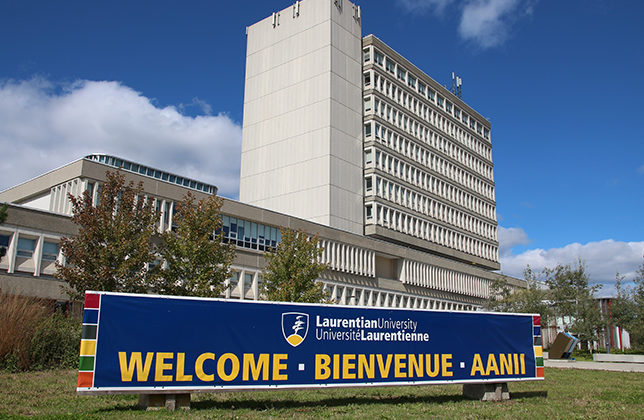
The Bachelor of Science in Pharmaceutical Chemistry at Laurentian University is designed for students interested in the science behind drug design and development. This program focuses on the study of chemicals used to create medicines, emphasizing their synthesis, properties, and effects on the human body. Students will learn how these chemicals can treat or prevent diseases, gaining a comprehensive understanding of drug structure and action. The program prepares graduates for various careers in the pharmaceutical industry and provides a solid foundation for further studies in medical, dental, or veterinary schools.
Program Structure
The Bachelor of Science in Pharmaceutical Chemistry is structured to provide a thorough education over a four-year period. The program is divided into two main phases:
- Years 1 and 2: Foundational courses in basic chemistry principles.
- Years 3 and 4: Advanced topics including medicinal chemistry, biochemical toxicology, and drug design.
Key features of the program include:
- Over 400 hours of required lab work to ensure hands-on experience.
- Opportunities for co-op and internship placements to gain practical skills.
- Small class sizes that foster personalized instruction and interaction with faculty.
- Completion of an Honours thesis in the final year.
This structure not only equips students with theoretical knowledge but also emphasizes practical skills that are highly valued by employers in the pharmaceutical field.
Featured Experiences
The Pharmaceutical Chemistry program offers a variety of unique experiences that enhance learning and professional development:
- Co-op placements available after the second and third years, providing real-world experience in the pharmaceutical industry.
- Internship opportunities that allow students to apply their knowledge in practical settings.
- Paid teaching assistantships that offer students the chance to work closely with faculty while gaining teaching experience.
- Access to research-grade equipment and facilities for hands-on learning.
- Honours thesis project that allows students to engage in independent research.
These experiences are designed to prepare students for successful careers in pharmaceutical sciences and related fields.
Career Options
Graduates of the Bachelor of Science in Pharmaceutical Chemistry can pursue a variety of career paths in Canada, including:
- Chemist: Conduct research and experiments to develop new drugs and improve existing formulations.
- Clinical Research Assistant: Support clinical trials by collecting data and ensuring compliance with regulatory standards.
- Laboratory Technician: Perform tests and analyses in laboratories to assist in drug development and quality control.
- Pharmacist: Dispense medications and provide advice on their safe use (requires additional schooling).
- Quality Control Analyst: Ensure that pharmaceutical products meet required standards and regulations.
- Science Communicator: Translate complex scientific information into accessible content for the public and stakeholders.
- Science Teacher: Educate future generations in chemistry and related sciences.
These roles highlight the diverse opportunities available to graduates, allowing them to make significant contributions to healthcare and scientific advancement.
DISCLAIMER: The information above is subject to change. For the latest updates, please contact LOA Portal's advisors.
Visit Laurentian University official website