Last updated on 2026-09-23









Program overview
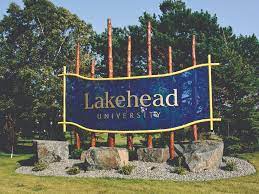
The Master of Arts in Economics at Lakehead University is designed to provide students with a comprehensive understanding of core economic theories and various field options. This program emphasizes a non-thesis route, which is common in North American graduate economics programs. Students will engage in a blend of coursework and research, culminating in an extended research paper. The program aims to equip graduates with the analytical skills necessary for a successful career in economics.
Program structure
The Master of Arts in Economics program at Lakehead University has a structured approach to learning, ensuring that students gain both theoretical knowledge and practical experience. The program includes:
- Program Length: The non-thesis option must be completed within six terms (2 years) of continuous registration.
- Students typically take six courses in their first year (three in fall, three in winter).
- In the second year, students will complete two additional courses in the fall and finish their extended research paper in the winter.
- For those opting for the co-operative program, an additional two four-month work terms are required, extending the program to eight terms.
This structure allows students to apply their classroom knowledge in real-world settings, particularly through the co-op option, which enhances their educational experience.
Featured Experiences
The Master of Arts in Economics program offers several unique features that enhance the learning experience:
- Co-operative Option: This allows students to gain practical work experience through two four-month work terms, providing valuable insights and skills applicable to their future careers.
- Extended Research Paper: Students will complete an extended research paper, allowing them to delve deeper into a specific area of interest within economics.
- Field Options: The program includes various field options, enabling students to tailor their studies to their interests and career goals.
Career Options
Graduates of the Master of Arts in Economics program can pursue a variety of career paths in Canada. Here are some potential job options:
- Economic Analyst: Analyze economic data and trends to provide insights for businesses and government agencies.
- Policy Advisor: Work with government bodies to develop and evaluate economic policies and programs.
- Market Research Analyst: Conduct research to understand market conditions and consumer preferences, helping companies make informed decisions.
- Financial Consultant: Advise clients on financial planning, investment strategies, and economic forecasts.
- Data Scientist: Utilize statistical methods and data analysis to interpret complex data sets and inform business strategies.
These roles highlight the versatility of an economics degree and the demand for skilled professionals in various sectors.
DISCLAIMER: The information above is subject to change. For the latest updates, please contact LOA Portal's advisors.
Visit Lakehead University official website