Last updated on 2025-03-18













Program Overview
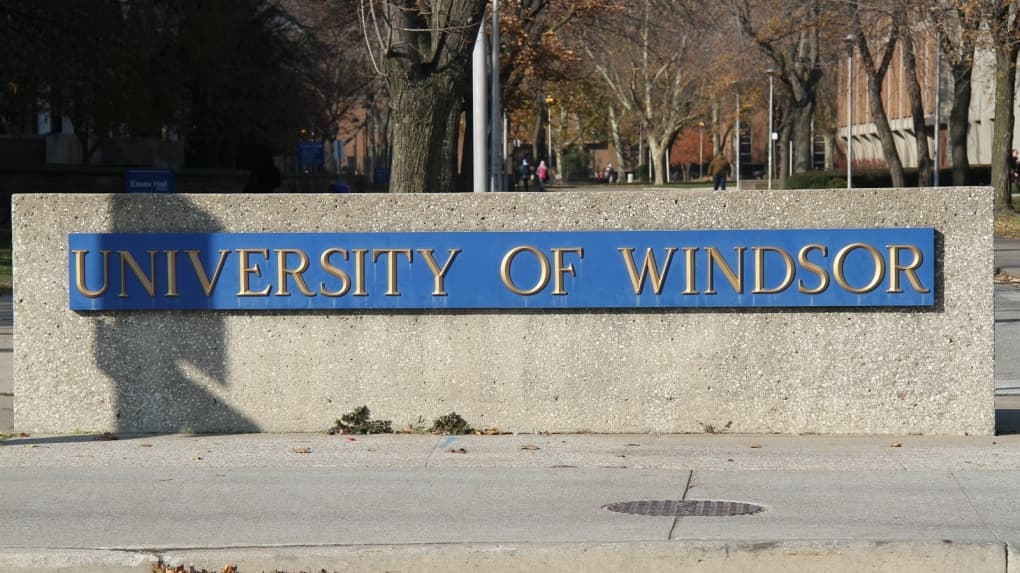
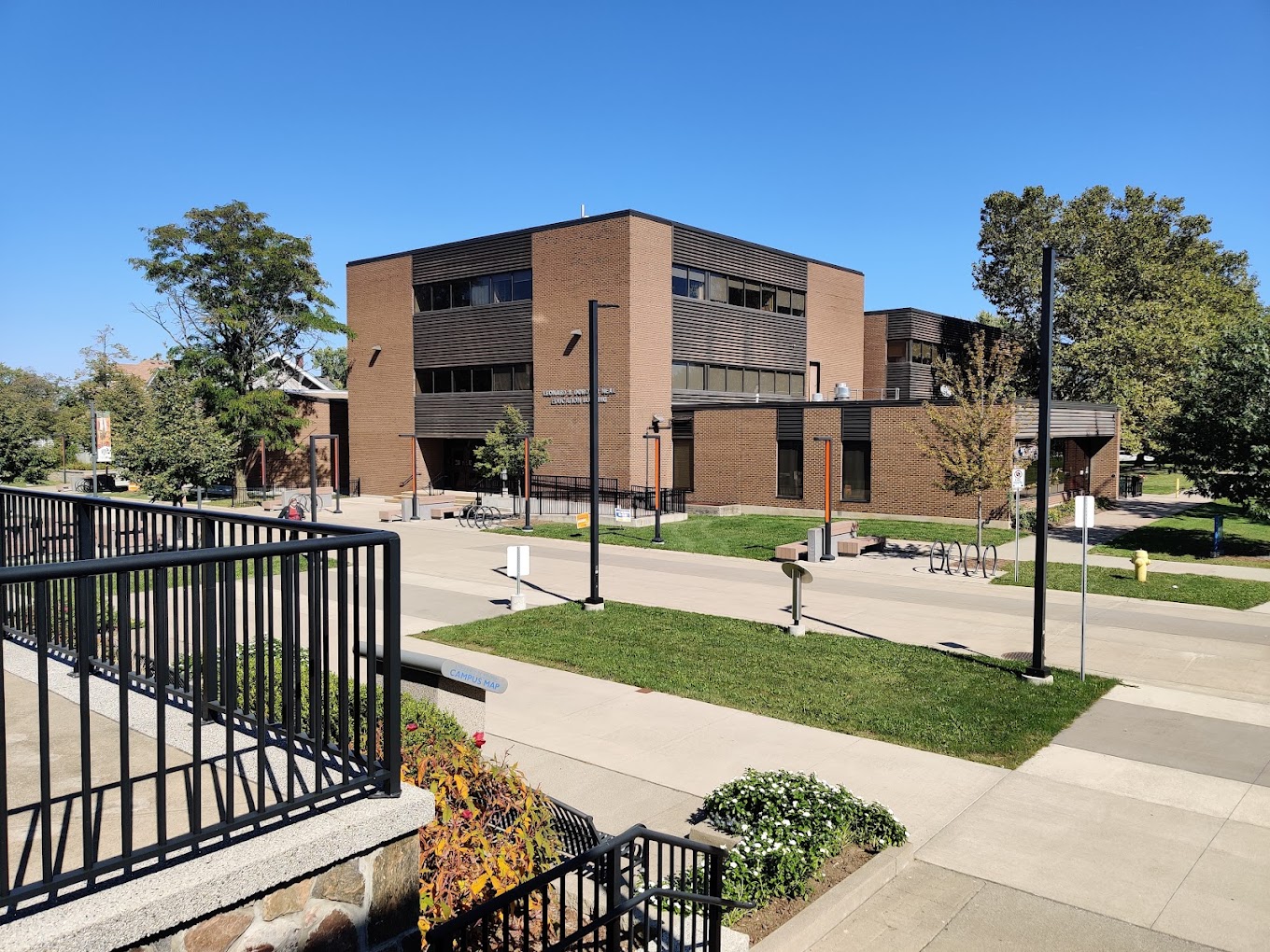
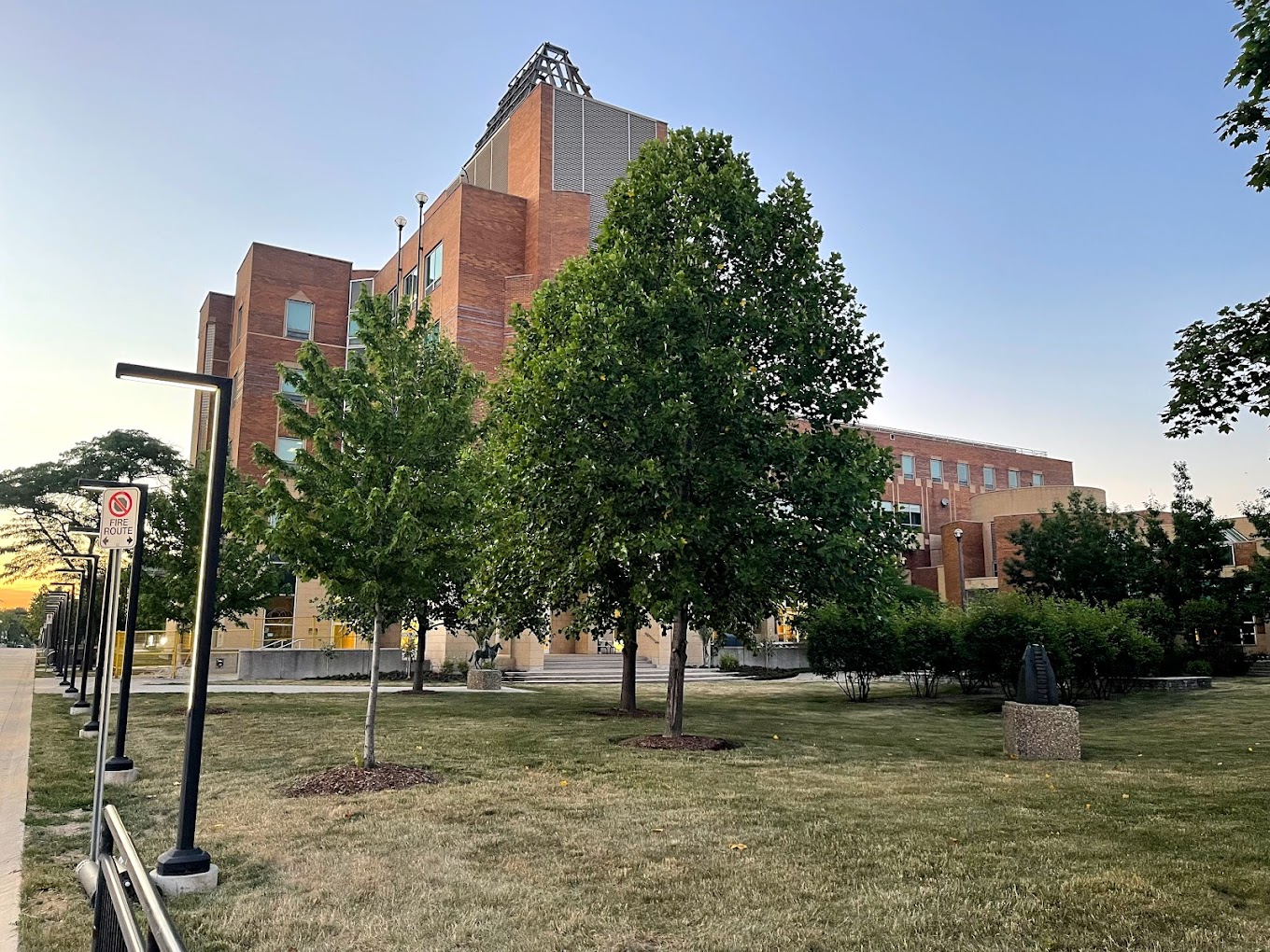
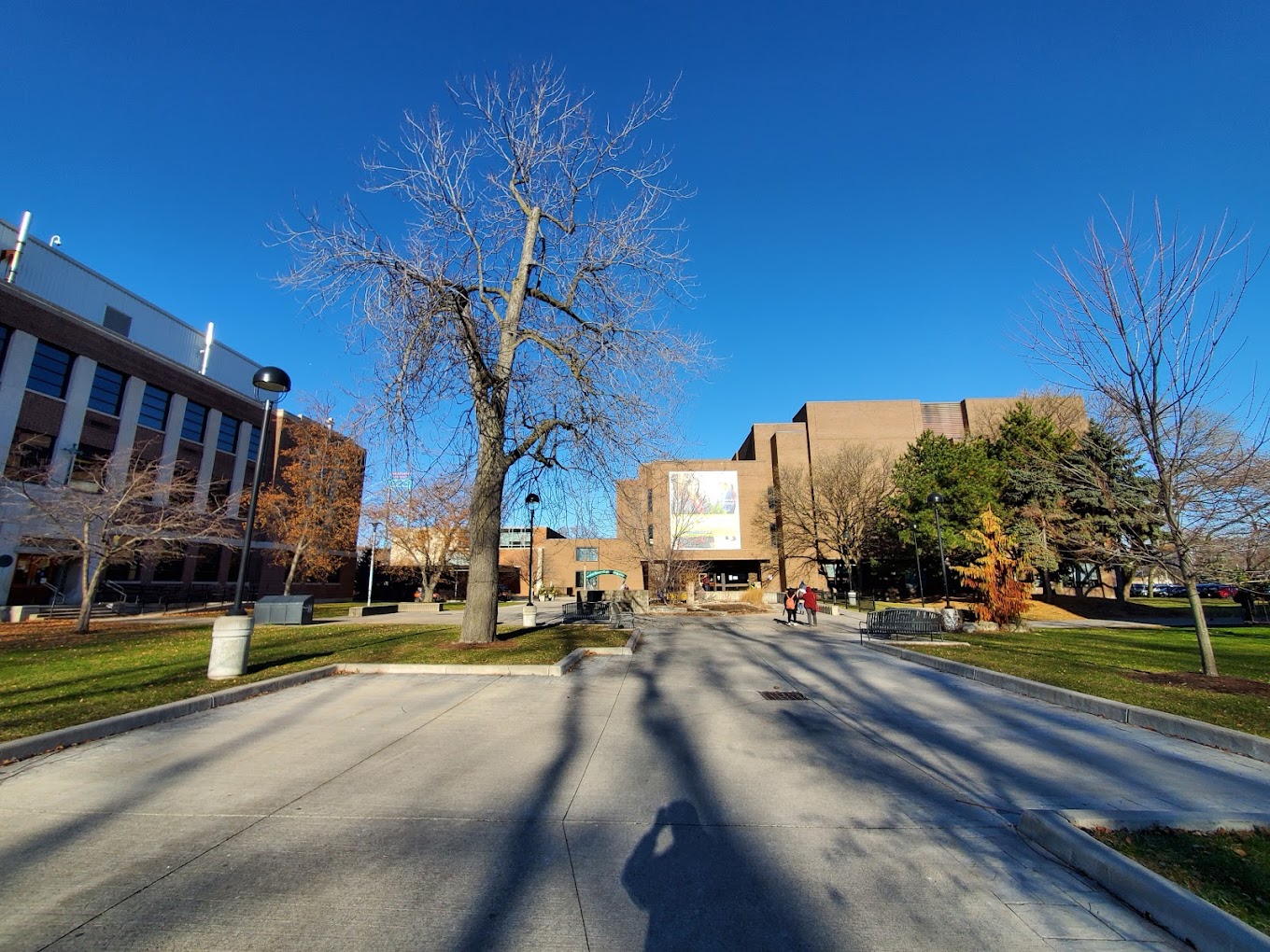
The Bachelor of Arts (Honours) in Developmental Psychology and Criminology at the University of Windsor is designed for students interested in understanding human behavior and the complexities of the criminal justice system. This program combines the study of psychological principles with criminological theories, providing a comprehensive education that prepares students for various career paths. Graduates will gain critical thinking skills, research experience, and a deep understanding of developmental psychology and criminology, making them well-equipped for future challenges in their professional lives.
Program Structure
The Bachelor of Arts (Honours) in Developmental Psychology and Criminology is structured to provide a robust educational experience over a four-year period. The program consists of a total of 40 courses, which are divided across four years. Here are some key details:
- Program Length: 4 years
- Total Credits: 40 courses
- Course Distribution: Courses are taken in both Fall and Winter semesters, allowing flexibility in scheduling.
- Options: Students may have opportunities for co-op placements or internships, enhancing their practical experience.
This structure ensures that students receive a well-rounded education, integrating theoretical knowledge with practical application.
Featured Experiences
- Co-op opportunities that provide real-world experience in psychology and criminology.
- Access to research projects that allow students to engage in hands-on learning.
- Field experiences that connect classroom learning with community involvement.
- Joint partner programs that may offer additional learning opportunities and resources.
Career Options
Graduates of the Bachelor of Arts (Honours) in Developmental Psychology and Criminology can pursue a variety of career paths in Canada. Here are some potential job options:
- Psychologist: Work with individuals to assess and treat mental health issues, utilizing psychological principles.
- Criminologist: Study crime, criminal behavior, and the criminal justice system to develop policies and prevention strategies.
- Social Worker: Provide support and resources to individuals and families in need, often working within the legal system.
- Research Analyst: Conduct research on psychological and criminological topics, analyzing data to inform practices and policies.
- Law Enforcement Officer: Serve in various capacities within police departments, focusing on community safety and crime prevention.
These career options highlight the versatility of the degree and the various sectors where graduates can make a significant impact.
DISCLAIMER: The information above is subject to change. For the latest updates, please contact LOA Portal's advisors.
Visit University of Windsor official website