Last updated on 2026-10-05
Program overview
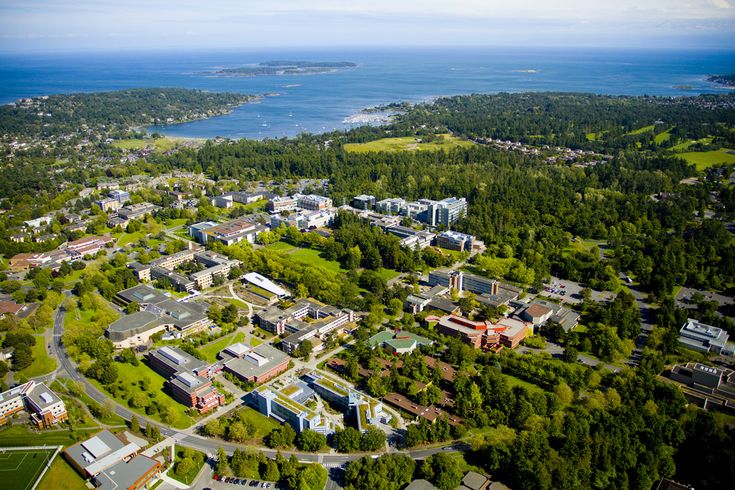
The Doctor of Philosophy in Civil Engineering (PhD) program at the University of Victoria is designed for students who wish to engage in independent and original research. This program emphasizes significant advancements in the field of green civil engineering. Students will work closely with faculty supervisors, take relevant courses, and prepare for a PhD candidacy exam. A key component of the program is the completion of a written thesis, which students must defend in an oral examination. This rigorous academic environment fosters the development of critical research skills and ethical professional conduct.
Program structure
The PhD program in Civil Engineering at the University of Victoria has a structured approach to ensure comprehensive learning and research development. The program is designed to be completed in 3 years and offers the following features:
- Full-time study option available
- On-campus program delivery
- Co-op opportunities are optional, allowing students to gain practical experience
- Focus on independent research and thesis completion
Students will engage in various research activities, including identifying research questions, designing experiments, and producing original research that contributes to the field of civil engineering. The program also emphasizes the importance of effective communication of research findings through presentations and publications.
Featured Experiences
- Opportunity to engage in independent and original research in green civil engineering.
- Students can participate in optional co-op programs to gain real-world experience.
- Close collaboration with faculty supervisors who guide research projects.
- Defending a written thesis in an oral examination as a culmination of the research work.
- Dynamic learning environment that encourages ethical and professional conduct in engineering.
Career Options
- Civil Engineer: Design and oversee construction projects, ensuring compliance with regulations and safety standards.
- Structural Engineer: Analyze and design structures, ensuring they can withstand environmental forces and loads.
- Environmental Engineer: Develop solutions to environmental problems, focusing on sustainability and resource management.
- Geotechnical Engineer: Specialize in soil and rock mechanics, assessing ground conditions for construction projects.
- Research Scientist: Conduct advanced research in civil engineering topics, contributing to academic and practical advancements in the field.
DISCLAIMER: The information above is subject to change. For the latest updates, please contact LOA Portal's advisors.
Visit University of Victoria official website