Last updated on 2026-10-05

Program Overview
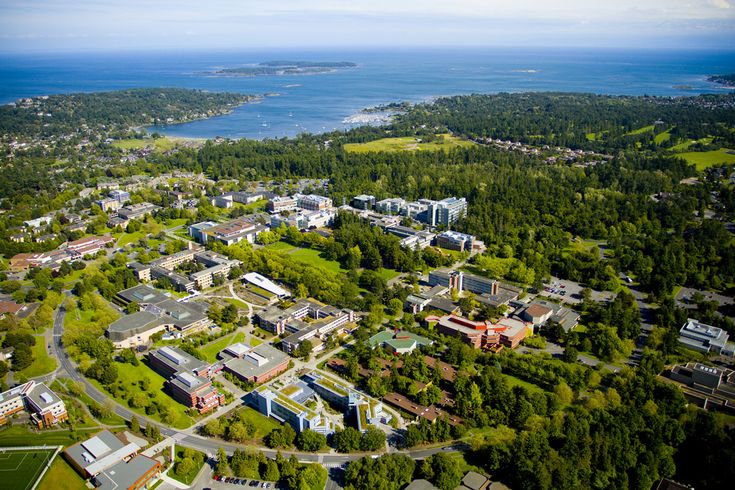
The Bachelor of Engineering (BEng) in Mechanical Engineering at the University of Victoria is designed to equip students with the skills and knowledge necessary to tackle real-world engineering challenges. This program emphasizes a dynamic learning environment where students explore various areas such as clean energy systems, automotive, aerospace, marine, and robotic systems. Students will engage in hands-on learning experiences that prepare them for a successful career in engineering.
Program Structure
The BEng Mechanical Engineering program is structured to provide a comprehensive education over a four-year period. Students will have the opportunity to:
- Engage in collaborative projects that foster teamwork and problem-solving skills.
- Explore various areas of focus, including advanced materials, biomedical engineering, and energy systems.
- Participate in co-op opportunities that allow for practical experience in the field.
- Declare their engineering specialization after completing the first year of study.
This program is designed to adapt to the evolving needs of the engineering industry, ensuring that students are well-prepared for their future careers.
Featured Experiences
The Mechanical Engineering program at UVic offers several unique features that enhance the learning experience:
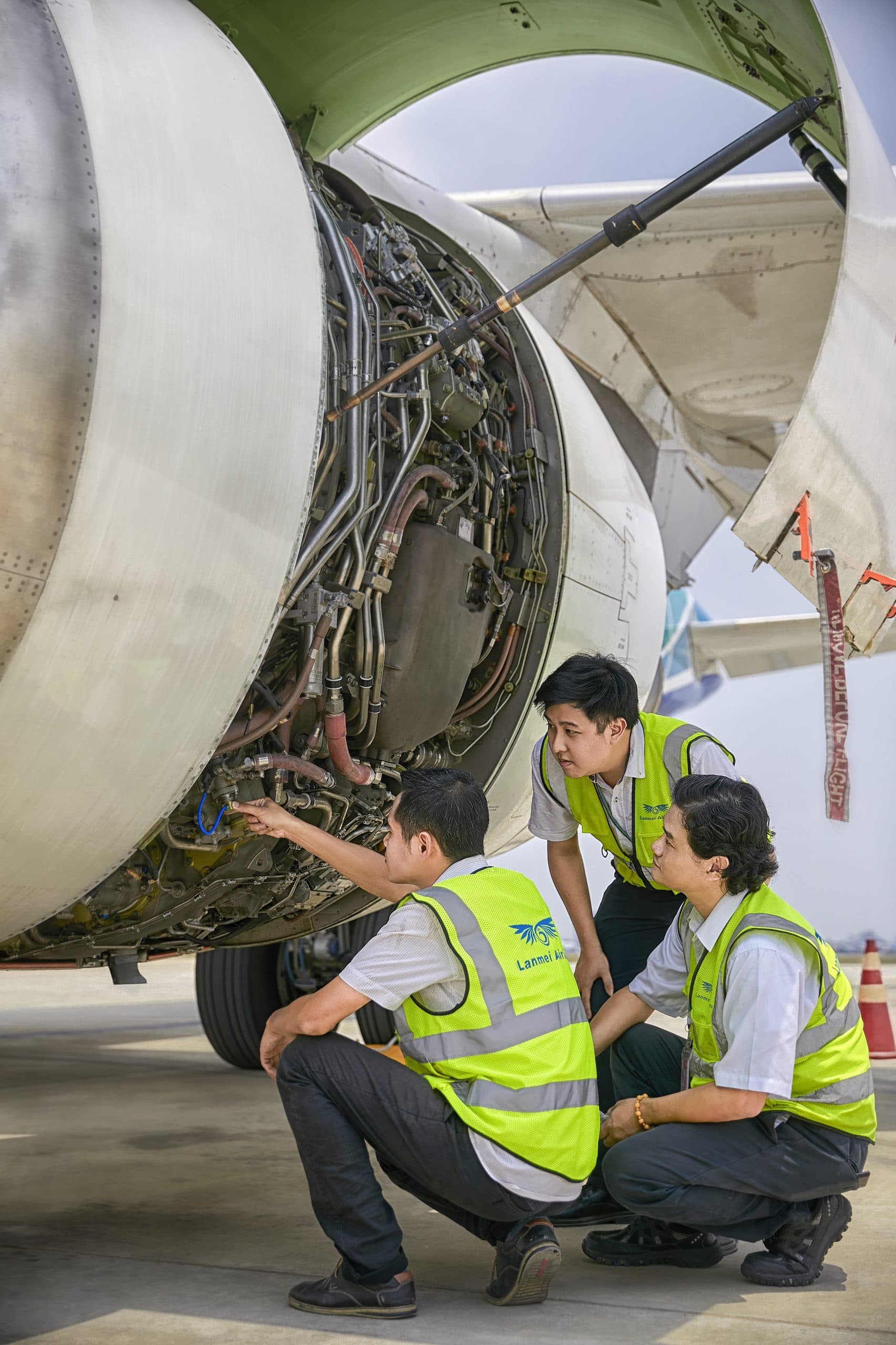
- Hands-on learning opportunities through labs and projects.
- Co-op programs that provide real-world experience and networking opportunities.
- Access to state-of-the-art facilities and equipment for practical training.
- Collaboration with industry partners on various projects.
These experiences are designed to enrich students' education and prepare them for the demands of the engineering profession.
Career Options
Graduates of the BEng Mechanical Engineering program can pursue a variety of career paths in Canada, including:
- Aerospace Engineer: Design and develop aircraft and spacecraft, ensuring they meet safety and performance standards.
- Automotive Engineer: Work on the design, development, and testing of vehicles and their systems.
- Energy Systems Engineer: Focus on the development and optimization of energy systems, including renewable energy sources.
- Manufacturing Engineer: Oversee the production processes and improve manufacturing efficiency and quality.
- Product Design Engineer: Create and develop new products, ensuring they are functional, safe, and marketable.
These roles highlight the diverse opportunities available to graduates, allowing them to make significant contributions to various industries.
DISCLAIMER: The information above is subject to change. For the latest updates, please contact LOA Portal's advisors.
Visit University of Victoria official website