Last updated on 2026-09-08




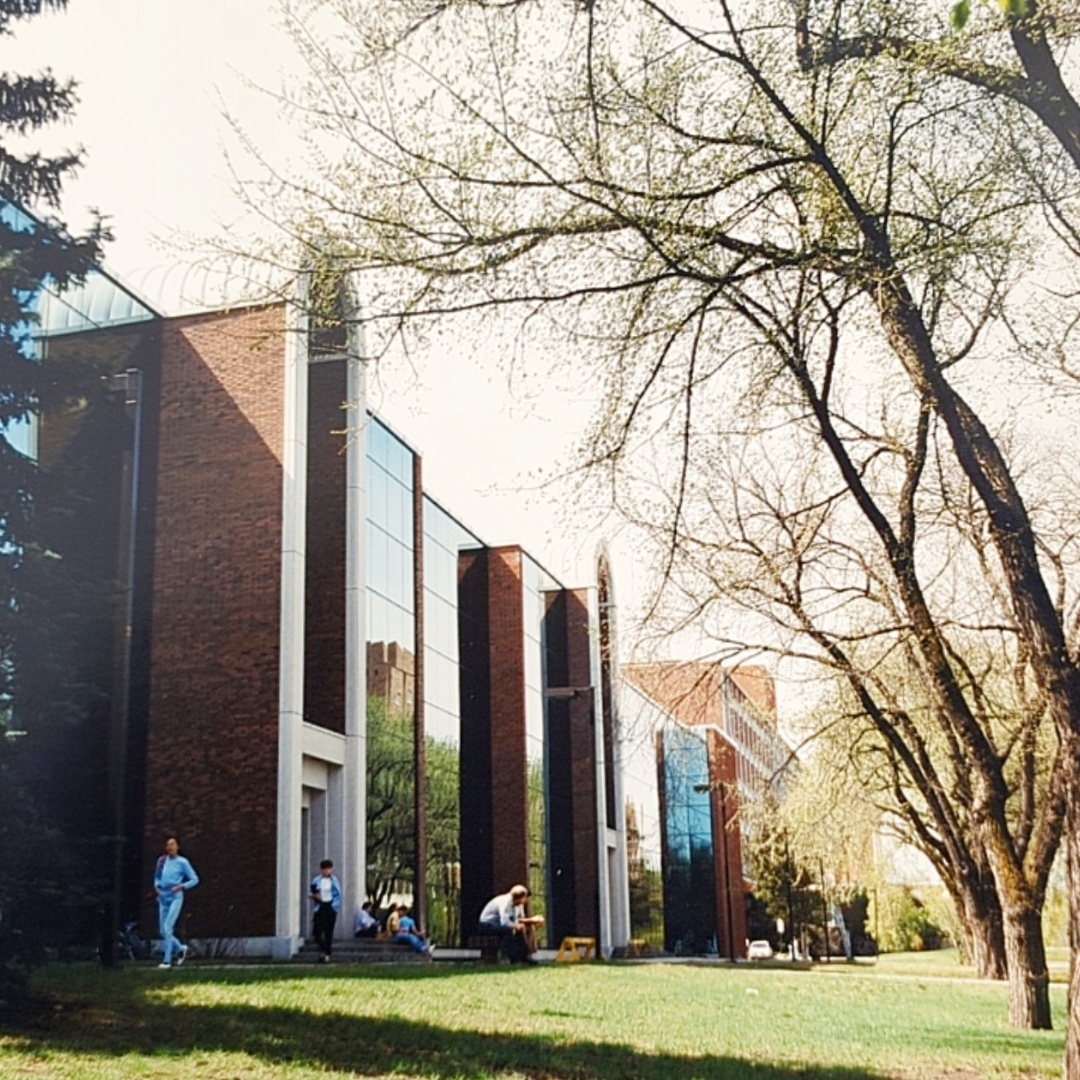
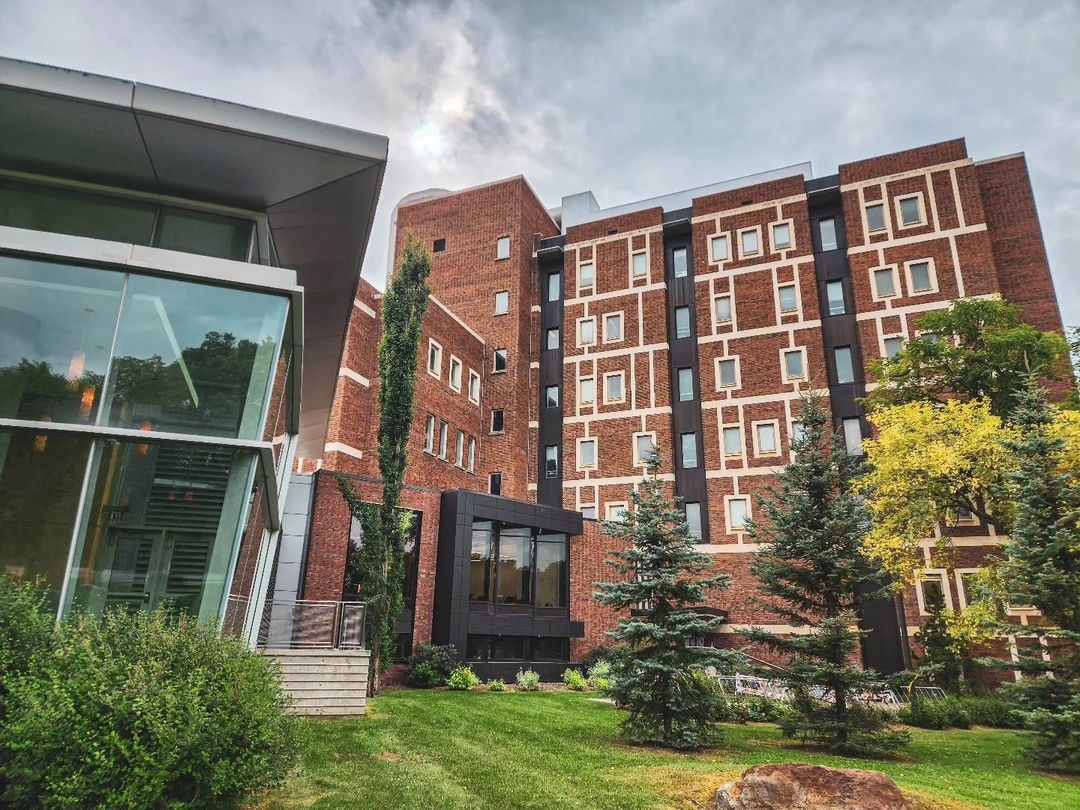
Program Overview
The Bachelor of Science in Civil Engineering Environmental Engineering Co-operative program at the University of Alberta is designed for students who are passionate about protecting natural ecosystems and enhancing public health. This program combines engineering principles with knowledge from the natural sciences, such as chemistry and biology, to address environmental challenges. Students will engage in various activities, including environmental impact assessments and the design of systems for water treatment, solid waste management, and air quality control. This comprehensive approach prepares graduates to tackle complex societal issues related to the environment.
Program Structure
The Bachelor of Science in Civil Engineering Environmental Engineering Co-operative program is structured to provide a robust educational experience over a period of five years. This includes:
- Eight terms of full-time study, which cover foundational engineering principles.
- Five work terms as part of the Co-op option, allowing students to gain practical, paid work experience in the field.
- Hands-on learning opportunities through state-of-the-art labs and research projects.
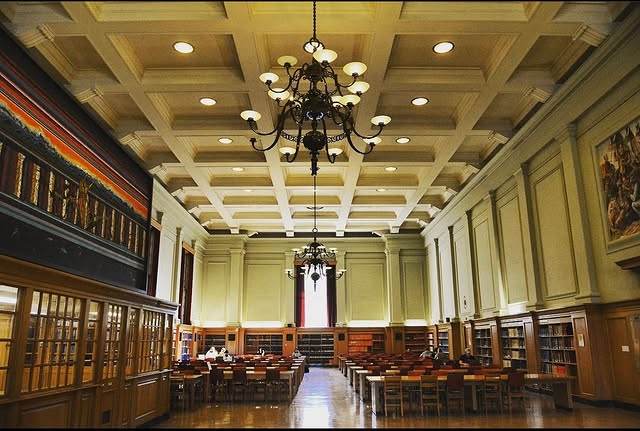
- Access to specialized facilities and areas of research within the Faculty of Engineering.
Students will also have the chance to participate in team projects and collaborate with industry professionals, enhancing their learning experience and preparing them for future careers.
Featured Experiences
- Co-op Program: Students can complete paid, supervised work terms throughout their degree, providing valuable industry experience.
- Hands-on Learning: Opportunities to engage in research and practical projects within the engineering field.
- Industry Connections: The program is located in the heart of western Canada's energy and resources industries, offering unmatched work placement opportunities.
- State-of-the-Art Facilities: Access to advanced labs and specialized research areas enhances the educational experience.
Career Options
Graduates of the Bachelor of Science in Civil Engineering Environmental Engineering Co-operative program can pursue a variety of career paths in Canada, including:
- Air Quality Engineer: Focuses on improving air quality and developing strategies to reduce pollution.
- Civil Engineer: Designs and oversees construction projects, ensuring they meet environmental standards.
- Climate Change Engineer: Works on projects aimed at mitigating the effects of climate change through innovative engineering solutions.
- Environmental Engineer: Addresses environmental challenges by designing systems for waste management and pollution control.
- Government Policy Consultant: Advises on environmental policies and regulations to promote sustainable practices.
- Green Entrepreneur: Develops sustainable business practices and products that benefit the environment.
- Hazardous Waste Management Engineer: Specializes in the safe disposal and management of hazardous materials.
- Water/Wastewater Engineer: Designs and manages systems for water treatment and wastewater disposal.
DISCLAIMER: The information above is subject to change. For the latest updates, please contact LOA Portal's advisors.
Visit University of Alberta official website