Last updated on 2026-10-05



Program overview
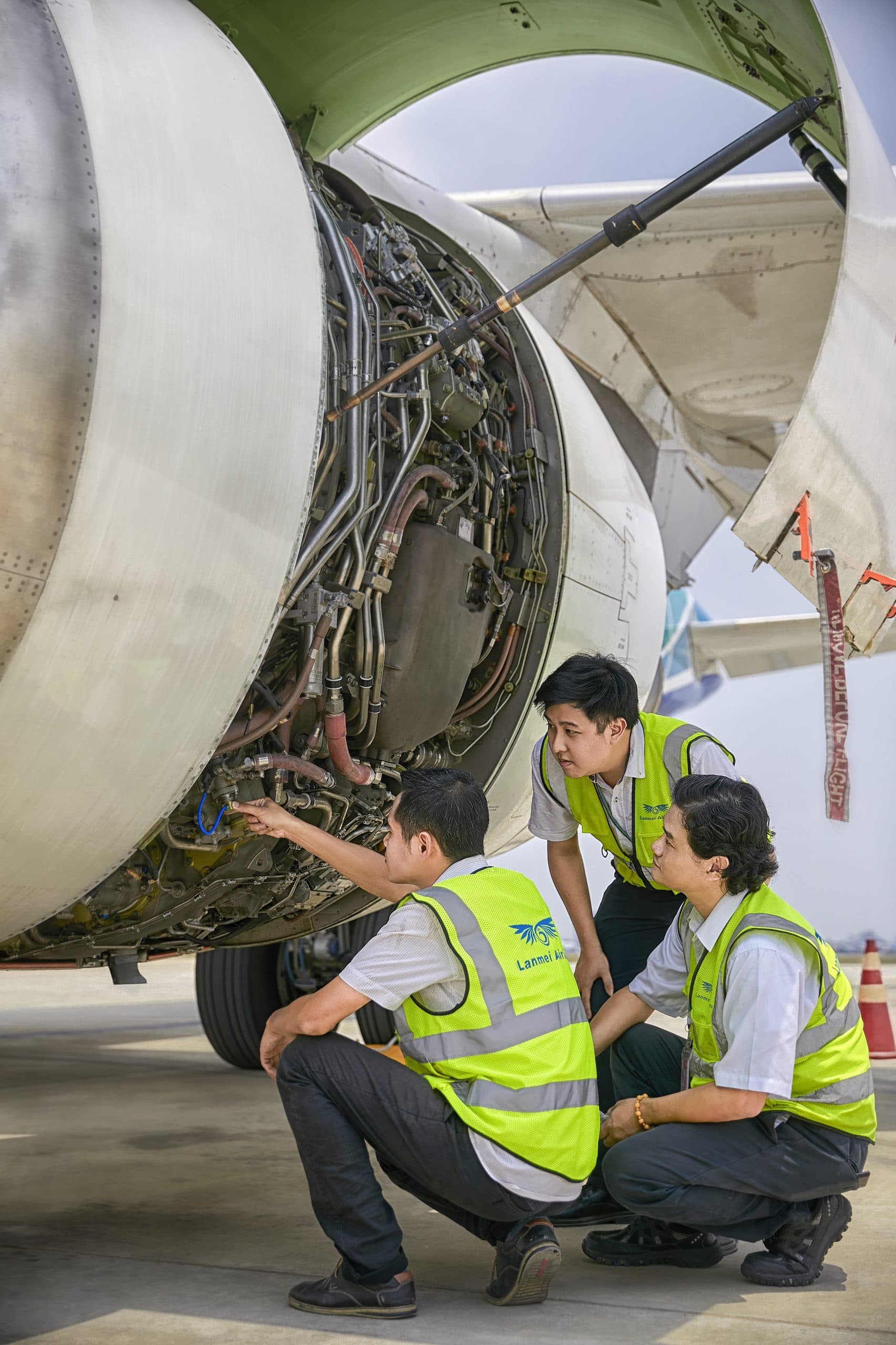
The Master of Engineering in Aerospace Systems Engineering (MEng) at the University of Victoria is designed for mid-career professionals and recent graduates. This program equips students with essential skills to thrive in the rapidly evolving aerospace sector. Emphasizing cutting-edge topics, the curriculum integrates conventional aerospace engineering with advancements in areas such as Autonomous Aerial Vehicles (AAV), hybrid-electric propulsion systems, and machine learning. Students will engage in hands-on learning experiences that prepare them for the challenges of modern aerospace technologies.
Program structure
The MEng in Aerospace Systems Engineering is structured to provide a comprehensive educational experience over a duration of 3 terms. The program offers both project and thesis options, allowing students to choose the path that best aligns with their career goals. Key features of the program include:
- Full-time study options available
- On-campus program delivery
- Optional co-op program to gain practical experience
Students will benefit from a dynamic learning environment that fosters collaboration and innovation, preparing them for successful careers in aerospace engineering.
Featured Experiences
The MEng in Aerospace Systems Engineering offers several unique experiences that enhance the learning journey:
- Hands-on capstone projects focused on designing, building, and testing innovative aerial vehicles.
- Collaboration with academic and industry research environments, including partnerships with organizations such as CfAR.
- Opportunities to work with student-led aerospace teams, fostering teamwork and leadership skills.
- Integration of sustainable practices and ethical considerations into aerospace technology design and deployment.
Career Options
Graduates of the MEng in Aerospace Systems Engineering can pursue a variety of career paths in Canada, including:
- Aerospace Engineer: Design and develop aircraft, spacecraft, and related systems, ensuring they meet safety and performance standards.
- Systems Engineer: Oversee the integration of complex aerospace systems, ensuring all components work together effectively.
- Research and Development Engineer: Conduct research to innovate and improve aerospace technologies, focusing on efficiency and sustainability.
- Project Manager: Lead aerospace projects from conception to completion, managing teams and resources to meet project goals.
- Flight Test Engineer: Plan and conduct flight tests to evaluate the performance of new aerospace systems and technologies.
DISCLAIMER: The information above is subject to change. For the latest updates, please contact LOA Portal's advisors.
Visit University of Victoria official website