Last updated on 2026-10-05



Program overview
The Doctor of Philosophy in Mechanical Engineering (PhD) program at the University of Victoria is designed to advance the field of mechanical engineering through independent, original research. Students will engage in coursework that enriches their studies, culminating in a dissertation that showcases their research work. Graduates of this program often find themselves in esteemed positions within academic institutions, research laboratories, or industry, contributing significantly to the field.
Program structure
The PhD program in Mechanical Engineering at the University of Victoria has a program length of 3 years. It is structured to provide a comprehensive educational experience through a combination of research and coursework. Key features of the program include:
- Full-time study options available
- On-campus program delivery
- Optional co-op opportunities to gain practical experience
- Focus on independent research and thesis development
This structure allows students to develop a coherent understanding of mechanical engineering while utilizing a wide range of resources to discover new knowledge and technologies. The program emphasizes ethical research practices and effective communication skills, preparing graduates for diverse career paths.
Featured Experiences
The Mechanical Engineering PhD program offers several unique features that enhance the learning experience:
- Optional co-op placements that provide real-world experience in the field.
- Access to a diverse range of faculty members with expertise in various areas of mechanical engineering.
- Opportunities for interdisciplinary research collaboration.
- Dynamic learning environment that encourages innovation and creativity.
- Support for students to conduct independent research on original topics in mechanical engineering.
Career Options
Graduates with a PhD in Mechanical Engineering from the University of Victoria can pursue a variety of career paths in Canada, including:
- University Professor: Teaching and conducting research at post-secondary institutions, mentoring students, and publishing scholarly articles.
- Research Scientist: Working in research laboratories to develop new technologies and methodologies in mechanical engineering.
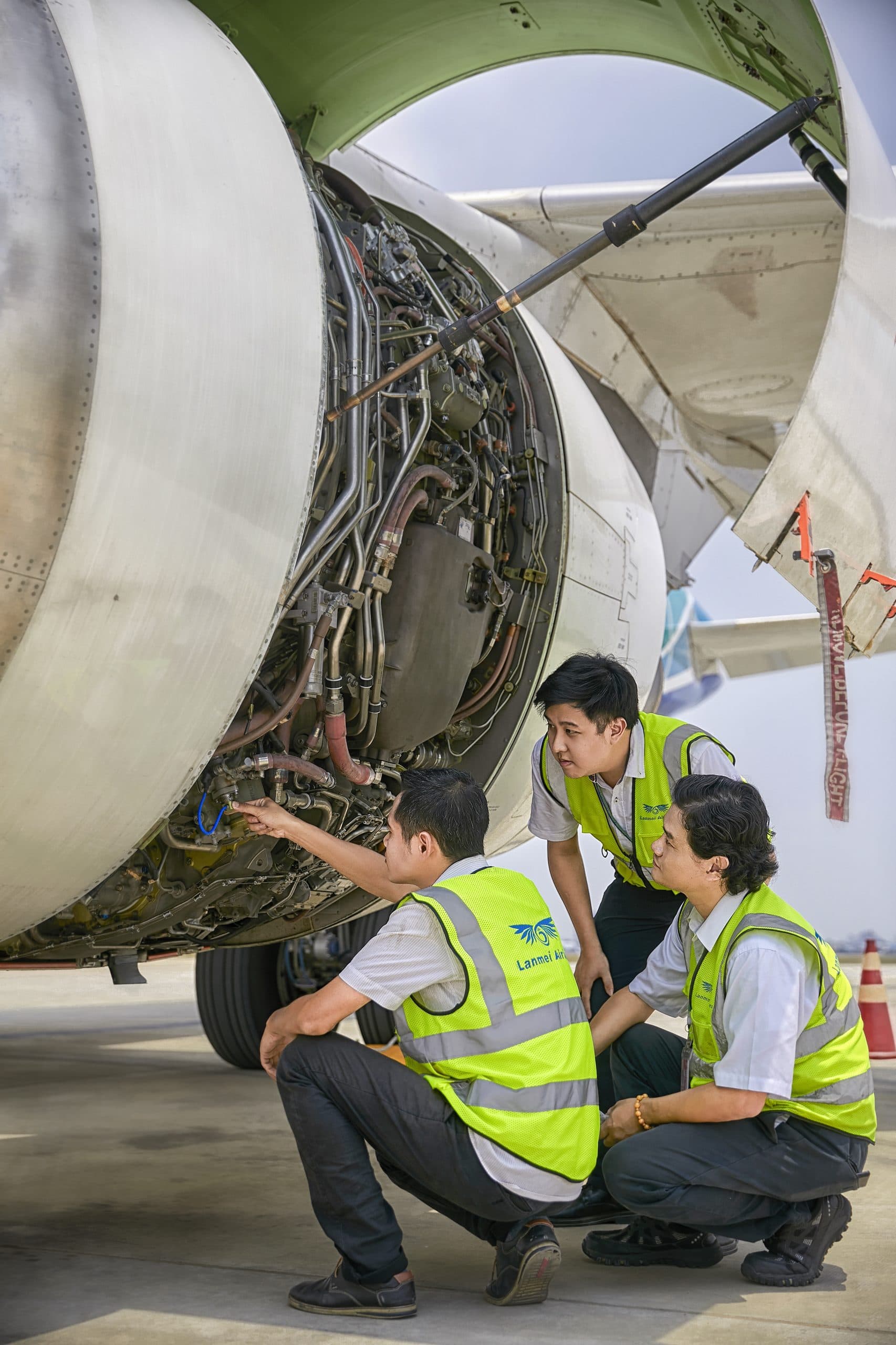
- Industry Engineer: Applying engineering principles in various industries, including aerospace, automotive, and energy sectors.
- Consultant: Providing expert advice to organizations on engineering projects, product development, and process optimization.
- Project Manager: Leading engineering projects, coordinating teams, and ensuring successful project delivery within budget and timelines.
These roles leverage the advanced knowledge and skills acquired during the PhD program, allowing graduates to make significant contributions to their fields.
DISCLAIMER: The information above is subject to change. For the latest updates, please contact LOA Portal's advisors.
Visit University of Victoria official website