Last updated on 2025-12-03
Program overview
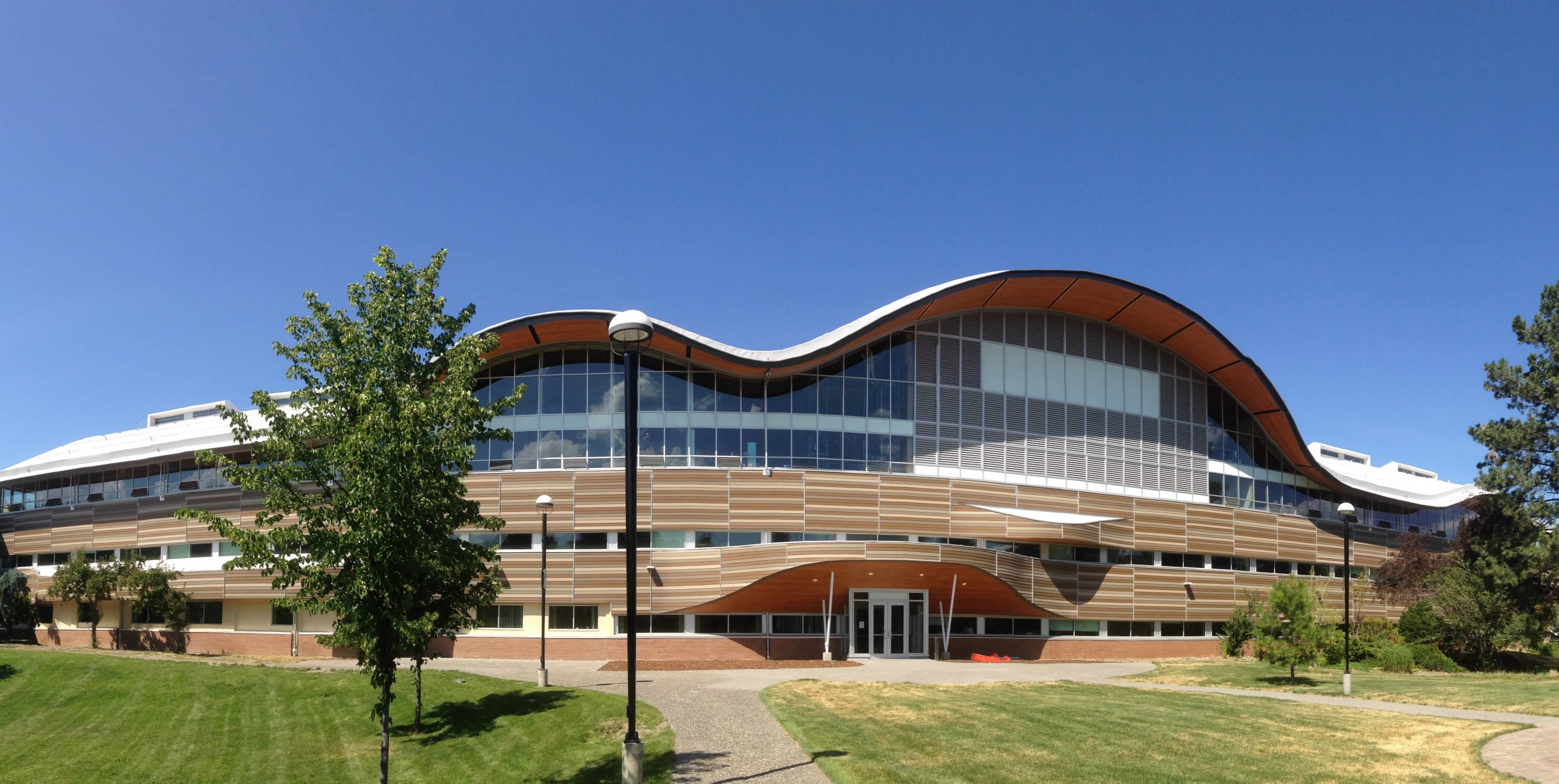
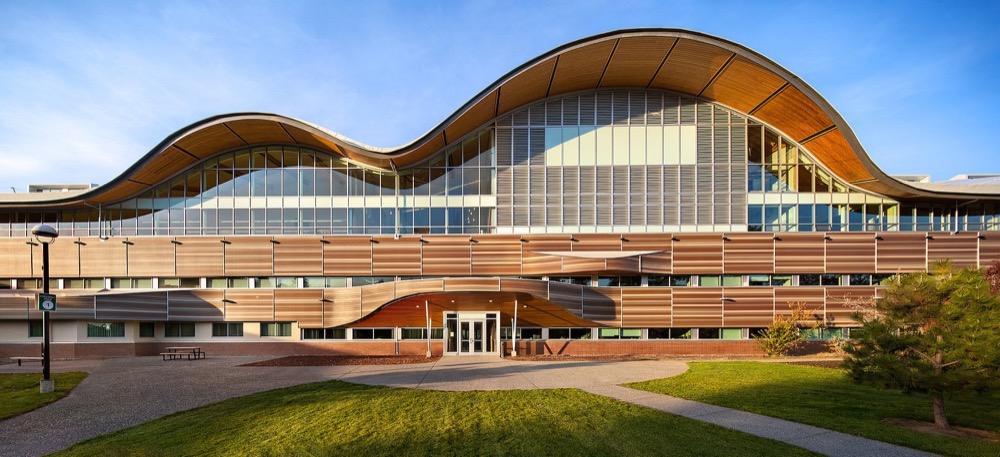
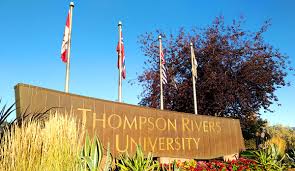
The Master of Engineering Science at Thompson Rivers University (TRU) is the first master’s program in Software Engineering in British Columbia. This innovative program is tailored for individuals passionate about technology and innovation, focusing on solving real-world problems and developing high-quality software. It prepares graduates to excel in high-demand fields such as artificial intelligence, cybersecurity, cloud computing, and robotics. With a strong emphasis on applied learning, students will gain the necessary skills to design, develop, and manage complex software solutions, ensuring they are job-ready upon graduation.
Program structure
The Master of Engineering Science program is designed to be completed in 2 years and is delivered on campus in Kamloops, B.C. The program structure includes:
- One required course: ENGR 6000 – Thesis (12 credits)
- Five software engineering concentration-specific, three-credit graduate courses (5000 and higher)
- A required co-op term to gain practical experience
Students will work closely with faculty and select a research topic in consultation with their thesis supervisor. This hands-on approach ensures that graduates are well-prepared for the challenges of the software engineering field.
Featured Experiences
- Co-op Term: A required co-op term ensures that students gain real-world experience and are job-ready upon graduation.
- Research-Based Thesis: Students engage in critical thinking and innovation through a research-based thesis.
- Experiential Learning: The program emphasizes applied learning, allowing students to work on practical projects.
- Industry-Relevant Skills: Students develop skills in high-demand areas such as AI, robotics, and cybersecurity.
Career Options
Graduates of the Master of Engineering Science in Software Engineering can pursue a variety of career paths in Canada, including:
- Software Developer: Design and create software applications, ensuring functionality and user experience.
- Cybersecurity Analyst: Protect systems and networks from cyber threats, implementing security measures and protocols.
- Data Scientist: Analyze and interpret complex data to help organizations make informed decisions.
- AI Engineer: Develop and implement artificial intelligence solutions, focusing on machine learning and automation.
- Cloud Solutions Architect: Design and manage cloud computing strategies, ensuring efficient and secure data storage and access.
These roles are available across various sectors, including healthcare, government, media, and technology, providing graduates with numerous opportunities for career advancement.
DISCLAIMER: The information above is subject to change. For the latest updates, please contact LOA Portal's advisors.
Visit TRU - Thompson Rivers University official website