Last updated on 2025-12-03





Program overview
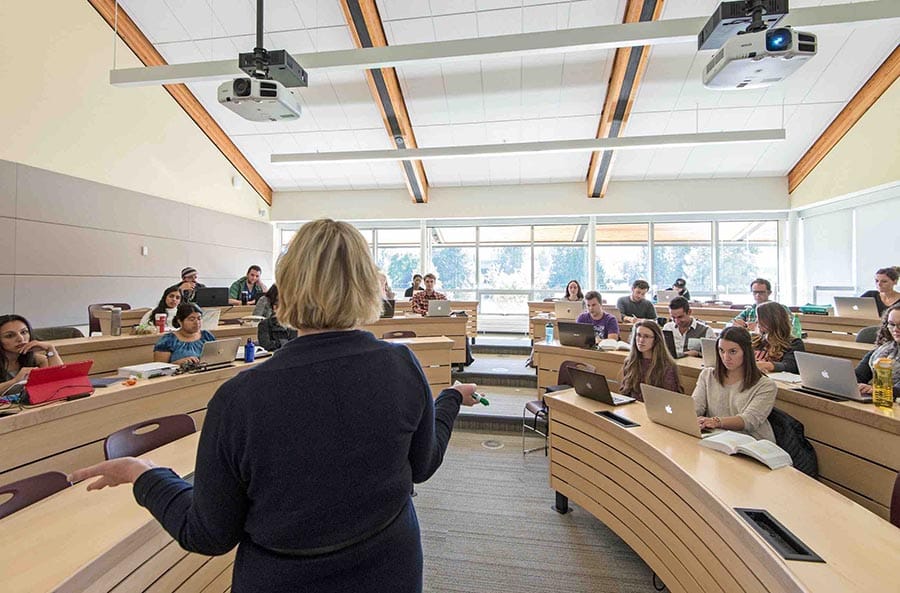
The Master of Science in Data Science (Thesis) is a postgraduate program designed to equip students with advanced knowledge and skills in data analysis, machine learning, and statistical modeling. This program emphasizes a strong foundation in both theoretical and practical aspects of data science, preparing graduates for a variety of roles in the industry. Students will engage in hands-on projects and research, allowing them to apply their learning in real-world scenarios. The program aims to foster critical thinking and problem-solving abilities, essential for navigating the complexities of data-driven decision-making.
Program structure
The Master of Science in Data Science (Thesis) program is structured to provide a comprehensive education in data science over a two-year period. The program includes:
- Core courses that cover essential topics in data science.
- Research components that culminate in a thesis project.
- Opportunities for practical experience through internships or co-op placements.
- Flexibility in course selection to tailor the program to individual interests.
Students will benefit from a blend of theoretical knowledge and practical application, ensuring they are well-prepared for the demands of the data science field.
Featured Experiences
- Co-op opportunities that allow students to gain real-world experience while studying.
- Hands-on lab sessions to practice data analysis techniques and tools.
- Field experiences that provide exposure to industry practices and challenges.
- Joint partner programs with industry leaders to enhance learning and networking.
- Research projects that contribute to the field of data science and allow for collaboration with faculty.
Career Options
- Data Scientist: Analyze complex data sets to inform business decisions and strategies.
- Machine Learning Engineer: Develop algorithms and models that enable machines to learn from data.
- Data Analyst: Interpret data and provide actionable insights to improve business performance.
- Statistician: Use statistical methods to collect, analyze, and interpret data for various applications.
- Business Intelligence Analyst: Transform data into strategic insights to drive business growth and efficiency.
DISCLAIMER: The information above is subject to change. For the latest updates, please contact LOA Portal's advisors.
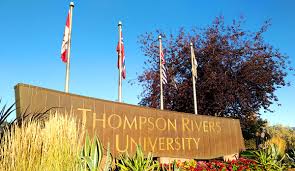
Visit TRU - Thompson Rivers University official website