
Program overview
The Bachelor of Computing Science program is designed to equip students with a comprehensive understanding of computing principles and practices. This program emphasizes both theoretical foundations and practical applications, preparing graduates for a variety of roles in the tech industry. With an optional co-op component, students have the opportunity to gain valuable work experience while completing their degree. The curriculum is structured to foster critical thinking, problem-solving skills, and technical expertise, ensuring that graduates are well-prepared to meet the demands of the ever-evolving field of computing.
Program structure
The Bachelor of Computing Science program offers a robust structure that supports students in their academic journey. The program is designed to be completed in four years, providing a balanced mix of theoretical knowledge and practical skills. Key features of the program structure include:
- Flexible course options to tailor the learning experience.
- Opportunity to participate in a co-op program, allowing students to gain hands-on experience in the industry.
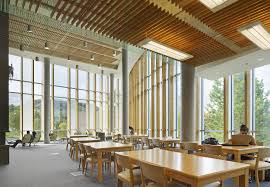
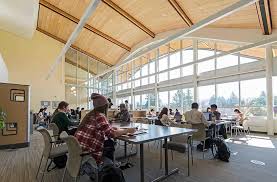
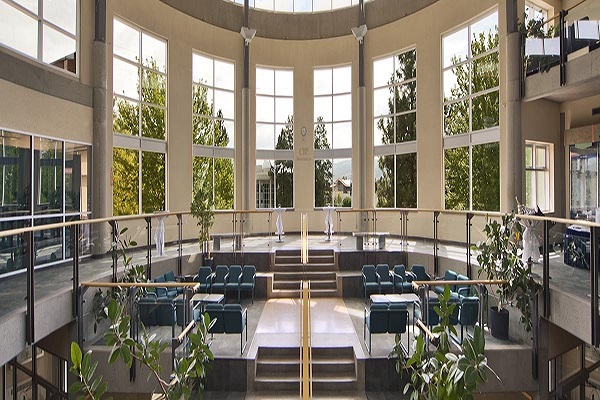
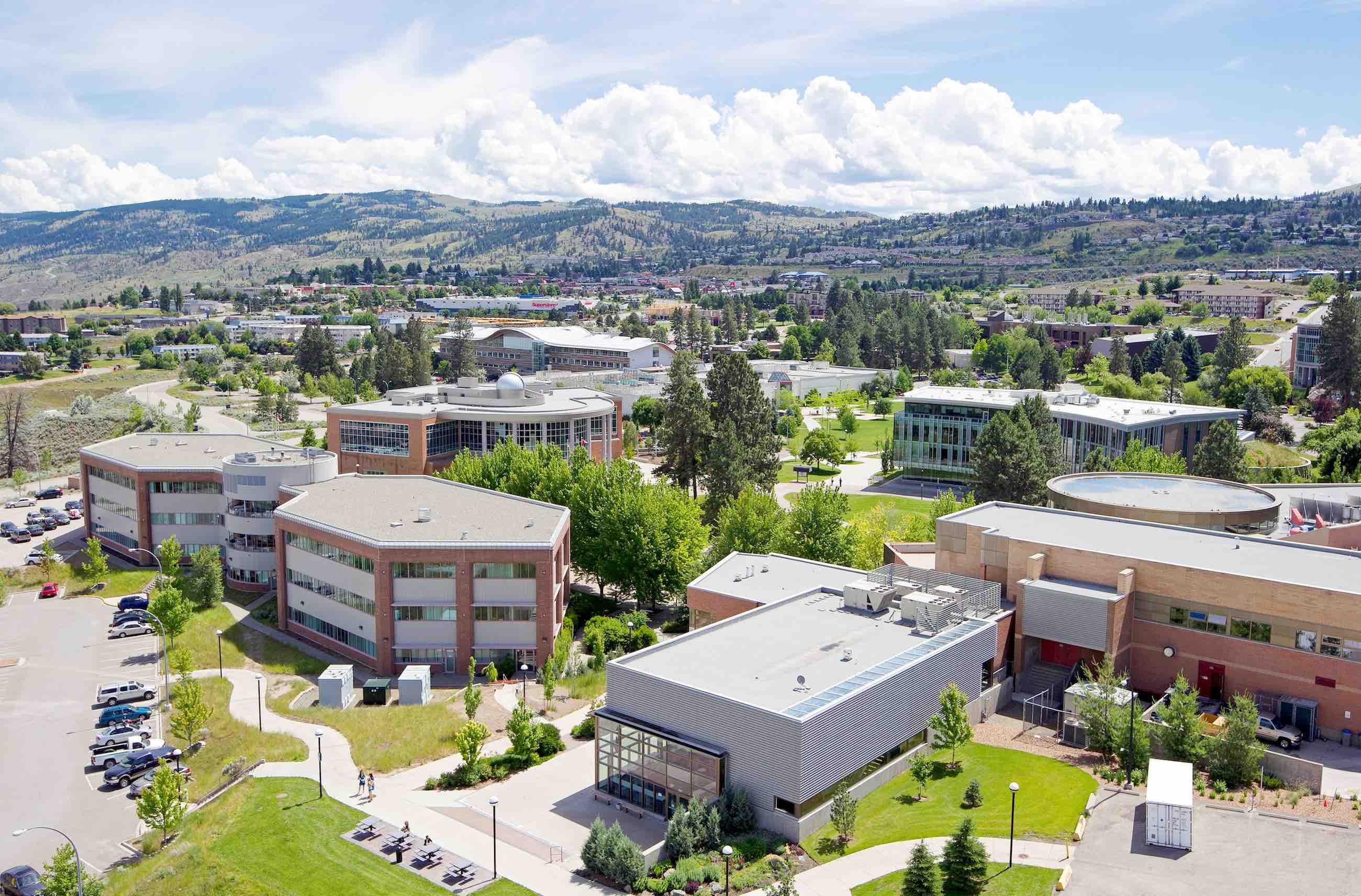
- Access to state-of-the-art facilities and resources to enhance learning.
- Collaboration with faculty on research projects, fostering a deeper understanding of computing concepts.
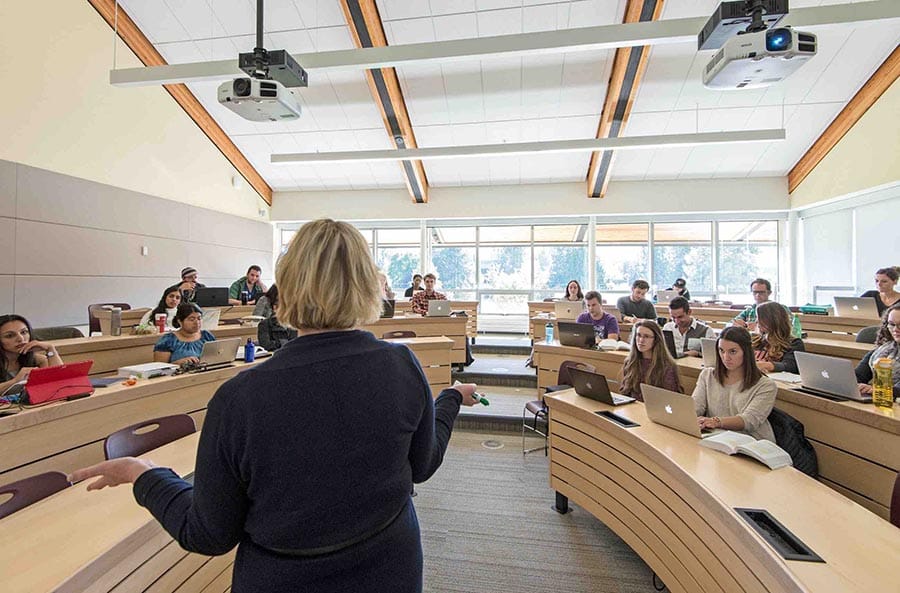
Students will engage in a variety of learning methods, including lectures, labs, and group projects, ensuring a well-rounded educational experience.
Featured Experiences
- Optional co-op program that provides real-world work experience in the computing field.
- Hands-on lab sessions that allow students to apply theoretical knowledge in practical settings.
- Field experiences that connect students with industry professionals and current trends.
- Joint partner programs with local tech companies for collaborative projects and internships.
- Access to workshops and seminars led by industry experts, enhancing learning and networking opportunities.
Career Options
- Software Developer: Design and create software applications, working on everything from mobile apps to enterprise solutions.
- Systems Analyst: Analyze and improve computer systems for organizations, ensuring they meet business needs effectively.
- Web Developer: Build and maintain websites, focusing on both the technical and aesthetic aspects of web design.
- Database Administrator: Manage and organize data using specialized software, ensuring data integrity and security.
- IT Consultant: Provide expert advice to businesses on how to use technology to meet their goals and improve efficiency.
DISCLAIMER: The information above is subject to change. For the latest updates, please contact LOA Portal's advisors.
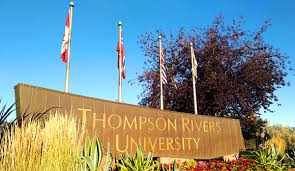
Visit TRU - Thompson Rivers University official website