Last updated on 2026-06-15


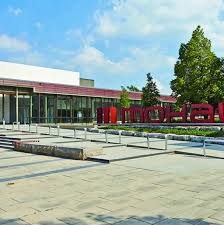


Program overview
The Energy Systems Engineering Technology program at Mohawk College is designed to equip students with the skills necessary to meet the growing demand for qualified professionals in the field of electrical energy solutions. As the backbone of modern society, electrical energy generation, transmission, and distribution are critical areas where skilled technologists are needed. This program emphasizes hands-on learning and real-world applications, preparing students to contribute effectively to the evolving energy landscape, particularly in the context of smart and efficient energy systems.
Program structure
The Energy Systems Engineering Technology program spans a total of three academic years, divided into periods of 8 months each. This comprehensive program includes:
- Hands-on learning experiences in specialized labs and facilities.
- Access to the Caroline Street Substation and the Joyce Centre for Partnership & Innovation.
- Applied research opportunities in power, solar, and wind energy.
- A mandatory co-op component that allows students to gain practical experience in the field.
Students will engage in a multi-disciplinary approach that covers the generation, capture, storage, and distribution of energy. The program is structured to provide a solid foundation in modern electrical energy systems, ensuring graduates are well-prepared for various employment opportunities in the energy sector.
Featured Experiences
The Energy Systems Engineering Technology program offers a variety of unique experiences that enhance learning and professional development:
- Hands-on experience in labs focused on renewable energy sources, including wind and solar technologies.
- Applied research using state-of-the-art smart grid and microgrid technologies.
- Co-op work terms that provide real-world experience and networking opportunities.
- Access to the first net-zero building in Ontario, which serves as a living lab for energy systems.
- Capstone research projects that allow students to apply their cumulative knowledge in practical scenarios.
Career Options
Graduates of the Energy Systems Engineering Technology program can pursue a variety of career paths in Canada, including:
- Power Generation/Transmission/Distribution Engineering Technologist: Work in the design and management of electrical power systems, ensuring efficient energy delivery.
- Electrical Drafting/Design Technologist: Create detailed electrical designs and schematics for various projects, ensuring compliance with industry standards.
- Energy Project Engineering Technologist: Oversee energy projects from conception to completion, focusing on sustainability and efficiency.
- Power Protection Engineering Technologist: Specialize in the protection and reliability of electrical systems, implementing safety measures and protocols.
- Technical Support Roles: Provide support in the installation, operation, and maintenance of electrical energy systems and components.
These roles are essential in various sectors, including the electricity sector, HVAC industry, and building and construction sectors, where graduates can contribute to the advancement of energy technologies and solutions.
DISCLAIMER: The information above is subject to change. For the latest updates, please contact LOA Portal's advisors.
Visit Mohawk College official website