Last updated on 2026-02-02





Program overview
Conestoga's three-year Energy Systems Engineering Technology - Electrical advanced diploma program is designed to equip students with both theoretical knowledge and practical skills essential for the electricity sector. This program emphasizes the study of power systems, low-carbon energy systems, and smart building systems. Students will engage in hands-on labs and a capstone project, ensuring they are well-prepared for a variety of careers in the field. Graduates will also meet the academic requirements to become a Certified Engineering Technologist (C.E.T.) by OACETT, with pathways available to further their education in related degree programs.
Program structure
The Energy Systems Engineering Technology - Electrical program is structured to provide a comprehensive education over a period of three years. The program includes:
- Optional 16-month co-op stream, featuring four consecutive four-month work terms.
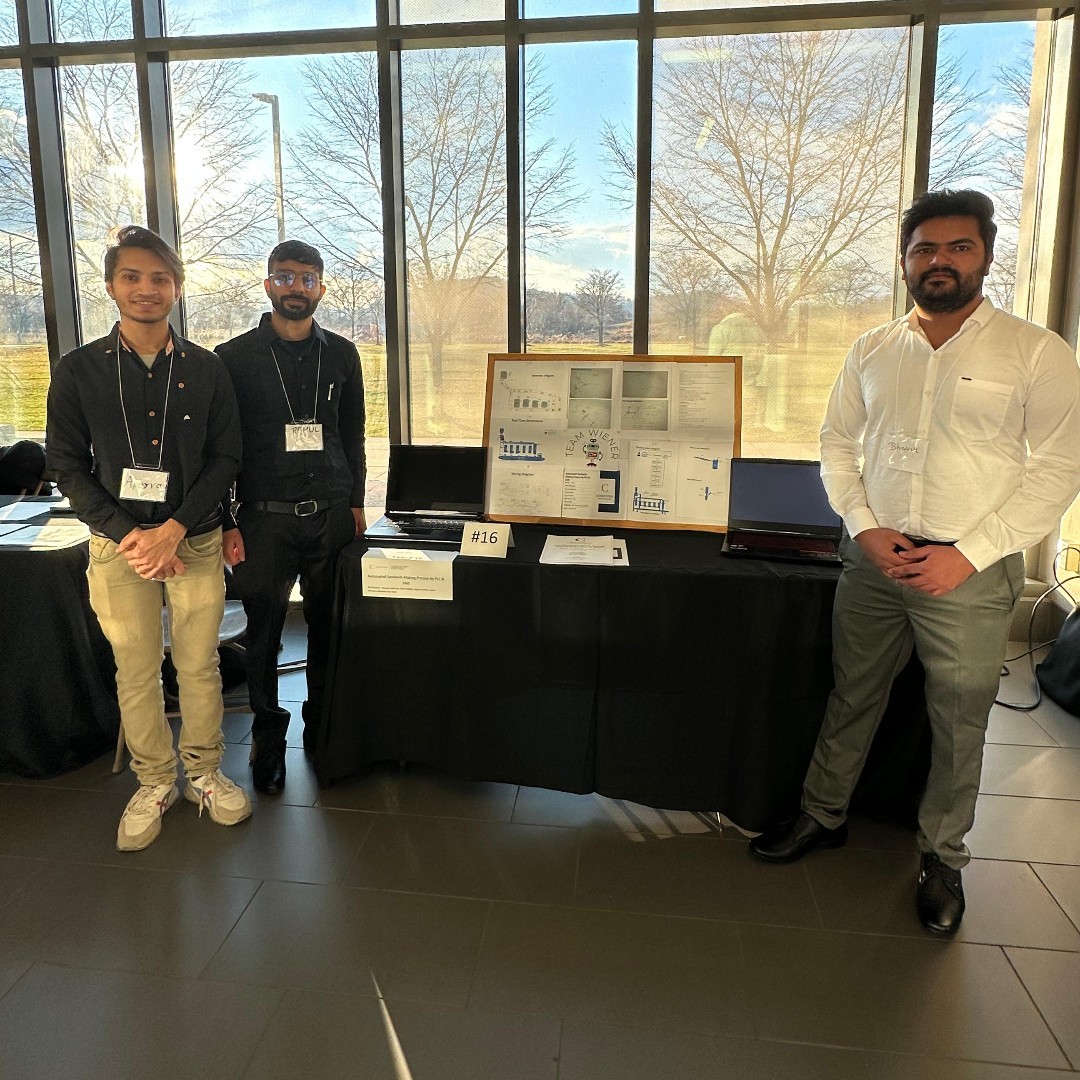
- Hands-on learning through modern labs and a capstone project.
- Hybrid delivery format, combining in-class theory with practical applications.
This program is designed to meet the growing demand for skilled technologists in the electricity sector, ensuring that students are well-prepared for the challenges of the industry.
Featured Experiences
- Hands-on labs that provide practical experience in electrical systems.
- A capstone project that allows students to apply their knowledge in real-world scenarios.
- Optional co-op program that enhances learning through work experience in the field.
- Exposure to modern technologies and practices in energy systems, including renewable energy sources.
- Collaboration with industry partners to ensure curriculum relevance and job readiness.
Career Options
Graduates of the Energy Systems Engineering Technology - Electrical program can pursue various career paths in Canada, including:
- Electrical Design Technologist: Involved in designing electrical systems for utilities, manufacturing, and consulting firms.
- System Operator: Responsible for monitoring and controlling electrical systems to ensure efficient operation.
- Building Automation Technician: Works on the integration of smart technologies in building systems for energy efficiency.
- Energy Consultant: Advises businesses on energy efficiency and renewable energy solutions.
- Project Manager: Oversees projects related to electrical systems, ensuring they are completed on time and within budget.
DISCLAIMER: The information above is subject to change. For the latest updates, please contact LOA Portal's advisors.
Visit Conestoga College official website