Last updated on 2026-03-19









Program Overview
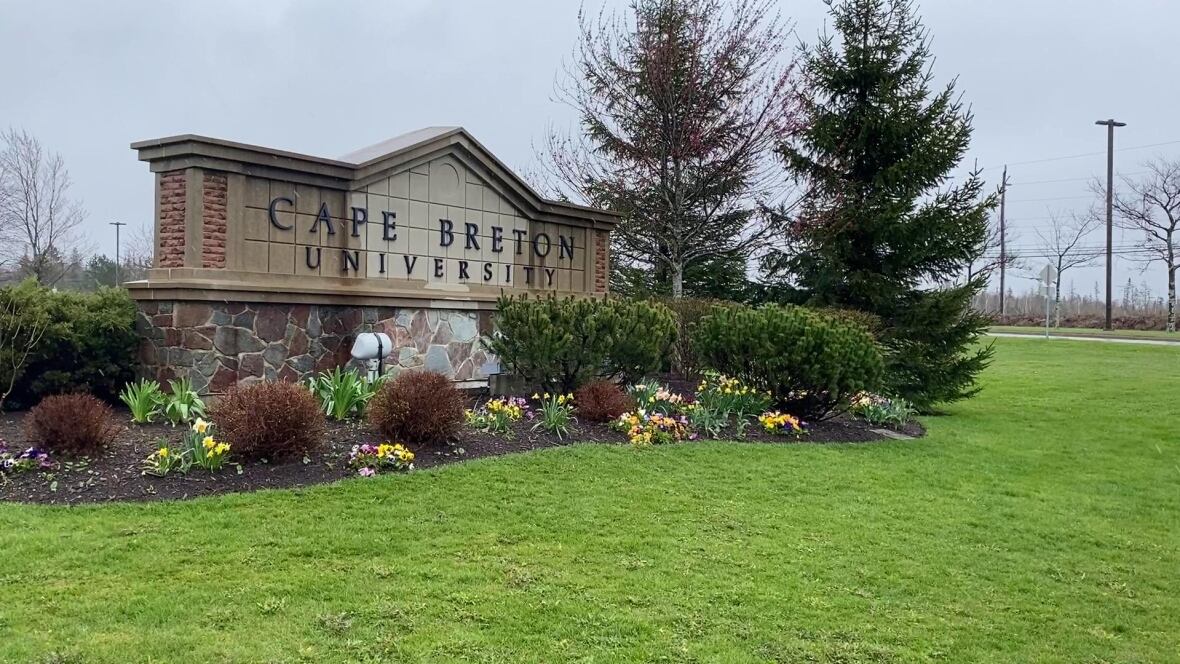
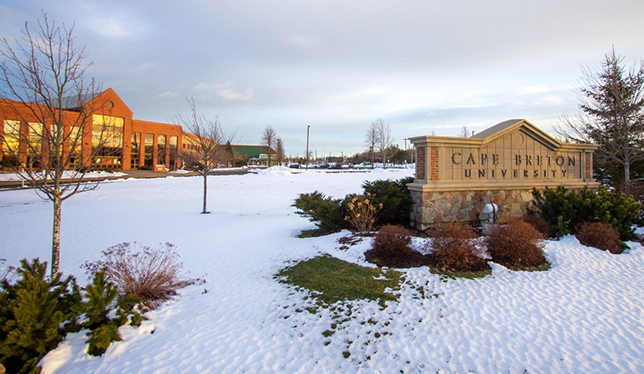
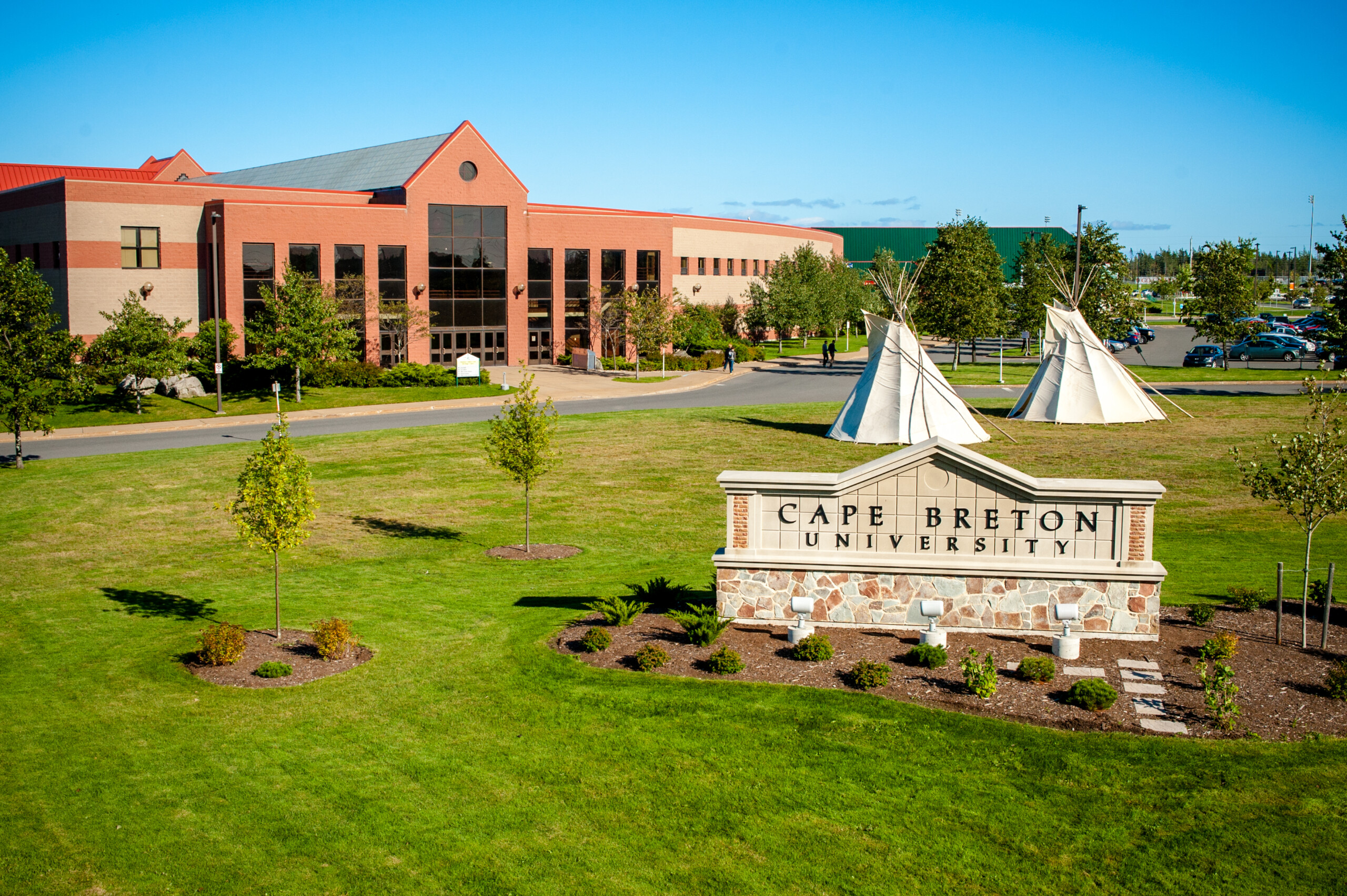
The Post-Diploma Bachelor of Engineering Technology - Petroleum at Cape Breton University (CBU) is designed for students who wish to deepen their knowledge and skills in the petroleum industry. This program focuses on the extraction, processing, and refinement of petroleum resources while emphasizing environmental protection. Graduates will be equipped with the necessary skills to navigate the complexities of the oil and gas sector, making them valuable assets in a rapidly evolving field. CBU's unique approach combines academic rigor with practical applications, ensuring that students are well-prepared for their future careers.
Program Structure
The Post-Diploma Bachelor of Engineering Technology - Petroleum program is structured to provide a comprehensive education in the field of petroleum engineering technology. Key details include:
- Program Length: Typically completed in two years for students who have already obtained a relevant diploma.
- Credits: The program requires a total of 60 credits to graduate.
- Options: Students may have opportunities for co-op placements or internships, providing valuable hands-on experience in the industry.
This program is designed to build a solid foundation in petroleum studies, focusing on both technical skills and environmental considerations, which are crucial in today’s oil and gas industry.
Featured Experiences
- Hands-on learning opportunities through co-op placements in the oil and gas industry.
- Access to state-of-the-art laboratories and equipment for practical training.
- Collaboration with industry partners to enhance real-world learning experiences.
- Focus on environmental safety and efficiency in petroleum operations.
- Engagement in projects that address current challenges in the petroleum sector.
Career Options
Graduates of the Post-Diploma Bachelor of Engineering Technology - Petroleum program can pursue various career paths in Canada, including:
- Petroleum Engineer: Design and develop methods for extracting oil and gas from deposits below the earth's surface.
- Reservoir Engineer: Analyze reservoir performance and develop strategies to optimize oil and gas recovery.
- Drilling Engineer: Plan and oversee drilling operations, ensuring safety and efficiency in the extraction process.
- Production Engineer: Manage the production of oil and gas, focusing on maximizing output while minimizing costs.
- Environmental Consultant: Advise companies on environmental regulations and best practices in the petroleum industry.
These roles highlight the diverse opportunities available to graduates, allowing them to make significant contributions to the energy sector while addressing environmental challenges.
DISCLAIMER: The information above is subject to change. For the latest updates, please contact LOA Portal's advisors.
Visit CBU - Cape Breton University official website