Last updated on 2026-03-19





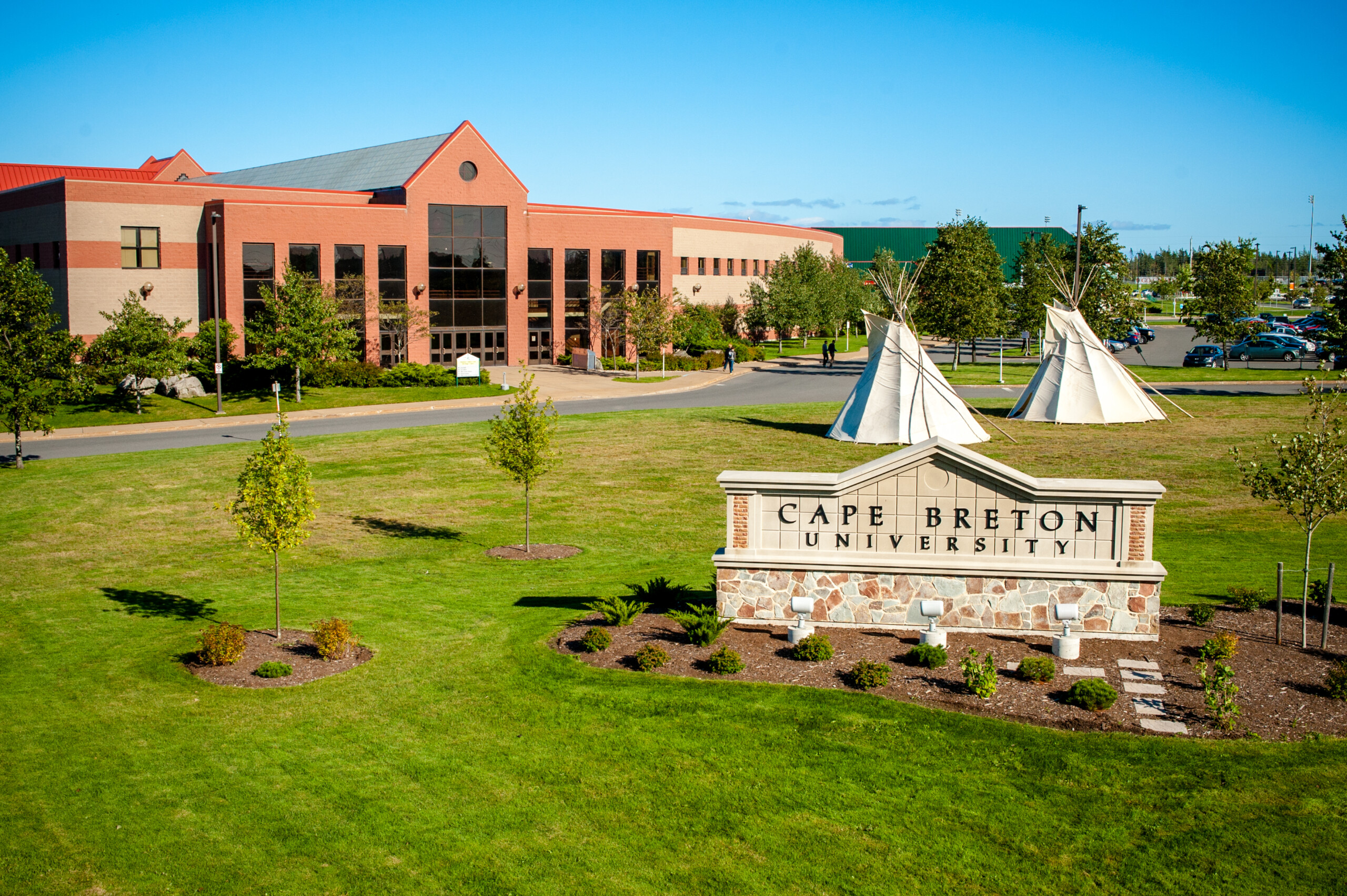
Program Overview
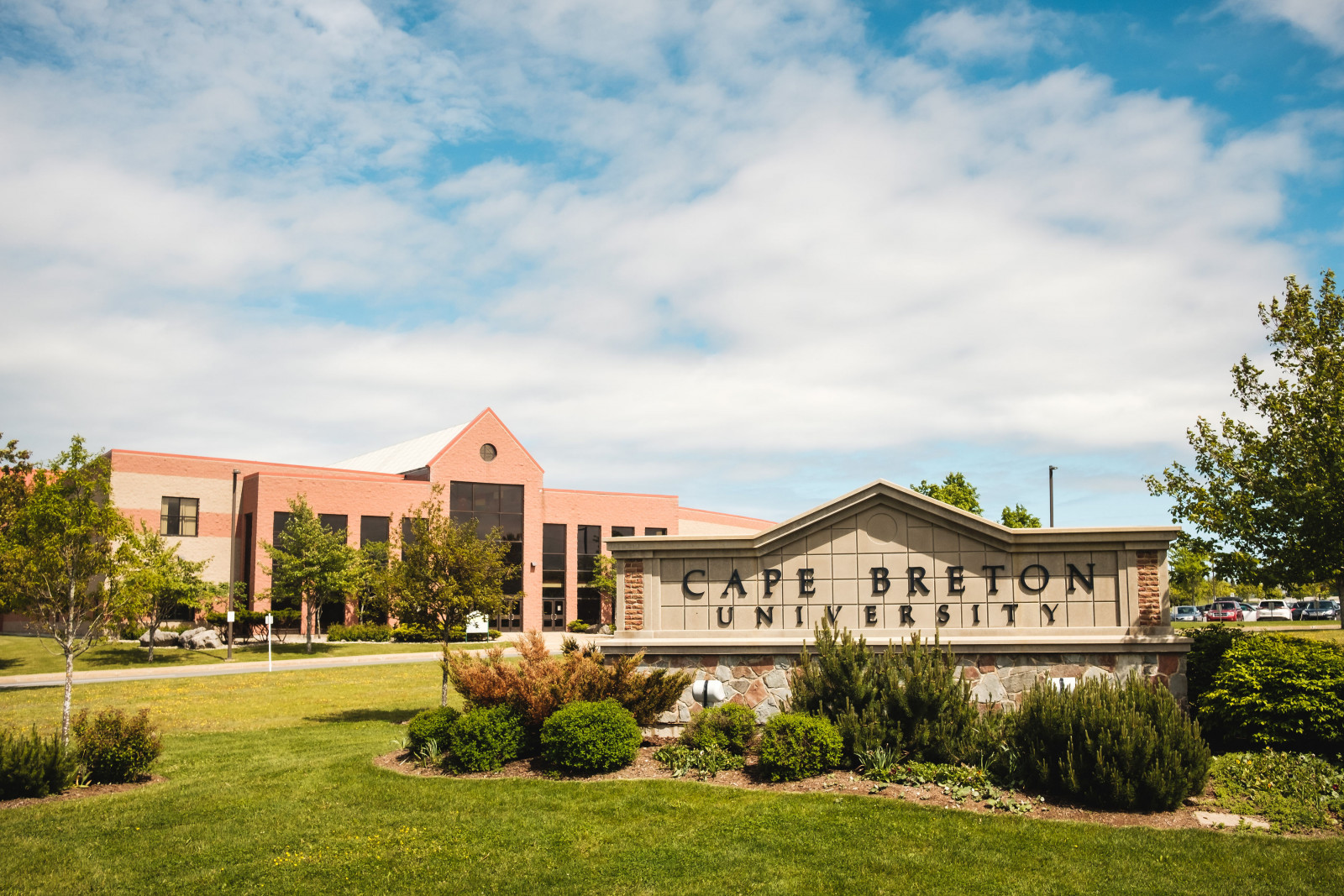
The Post Degree Bachelor of Engineering Technology - Environmental Studies at Cape Breton University is designed to equip students with essential skills to thrive in the environmental sector. This program emphasizes the interconnectedness of physical, chemical, and biological processes in both natural and built environments. Students will engage in hands-on learning experiences, exploring critical topics such as air quality, water and soil assessments, waste management, and sustainable development. Graduates are well-prepared for successful careers in various sectors, including technology and consulting, making a significant impact on environmental sustainability.
Program Structure
The Post Degree Bachelor of Engineering Technology - Environmental Studies program is structured to provide a comprehensive education over a period of two years. The program includes:
- Hands-on learning opportunities through field trips and immersive experiences.
- Access to research opportunities guided by experienced faculty.
- Focus on real-world applications of environmental science and engineering principles.
- Opportunities for individual experiences that enhance learning.
This program is designed to prepare students for the challenges of the environmental sector, ensuring they gain a solid foundation in both theoretical knowledge and practical skills.
Featured Experiences
Students in the Post Degree Bachelor of Engineering Technology - Environmental Studies program can expect a variety of unique experiences, including:
- Field trips to explore the impacts of large industrial remediation projects.
- Immersive experiences in environmental sustainability.
- Hands-on learning in a fast-growing engineering department.
- Opportunities to perform environmental impact assessments and contaminated site assessments.
- Access to a rugged, natural landscape that enhances learning and discovery.
Career Options
Graduates of the Post Degree Bachelor of Engineering Technology - Environmental Studies program can pursue a variety of career paths in Canada, including:
- Environmental Field Technician: Conducts field assessments and collects data on environmental conditions.
- Government Clerk: Works within government agencies to support environmental policy and regulation.
- Environmental Consultant: Advises organizations on environmental best practices and compliance with regulations.
- Environmental Remediation Professional: Specializes in cleaning up contaminated sites and restoring ecosystems.
- Water/Wastewater Treatment Professional: Manages and oversees the treatment of water and wastewater to ensure public health and environmental safety.
DISCLAIMER: The information above is subject to change. For the latest updates, please contact LOA Portal's advisors.
Visit CBU - Cape Breton University official website