Last updated on 2026-03-19









Program Overview
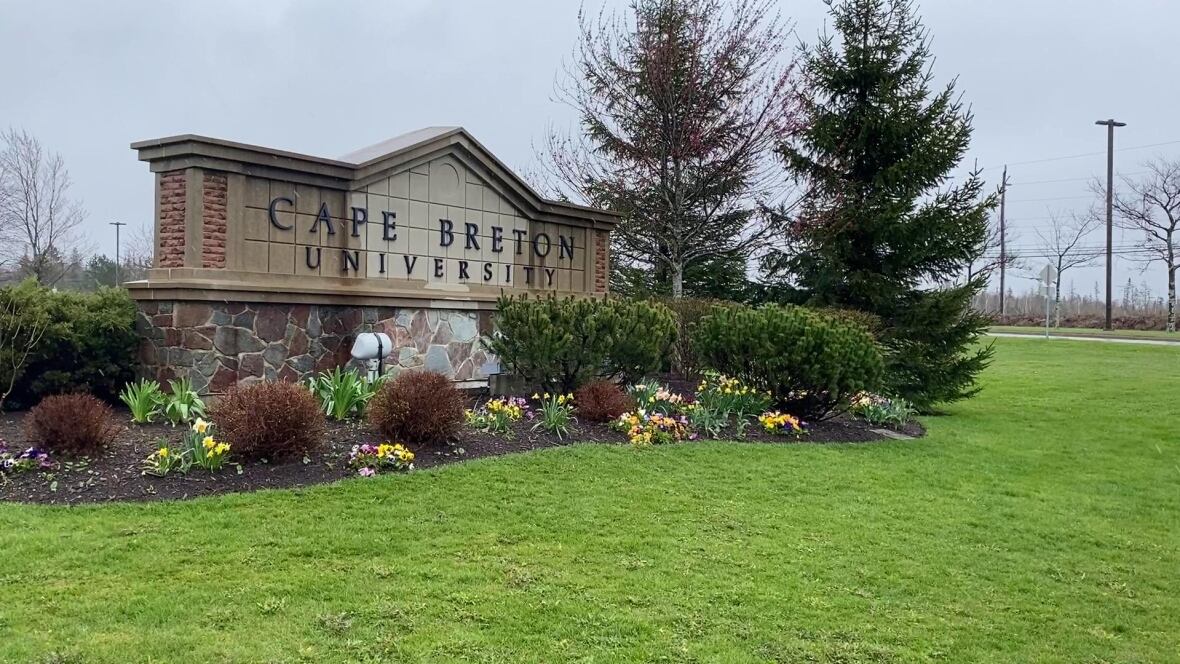
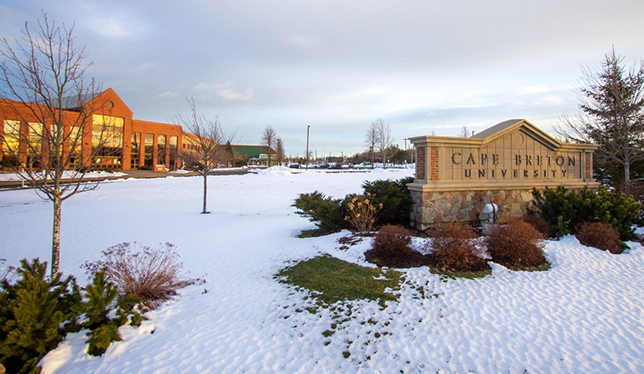
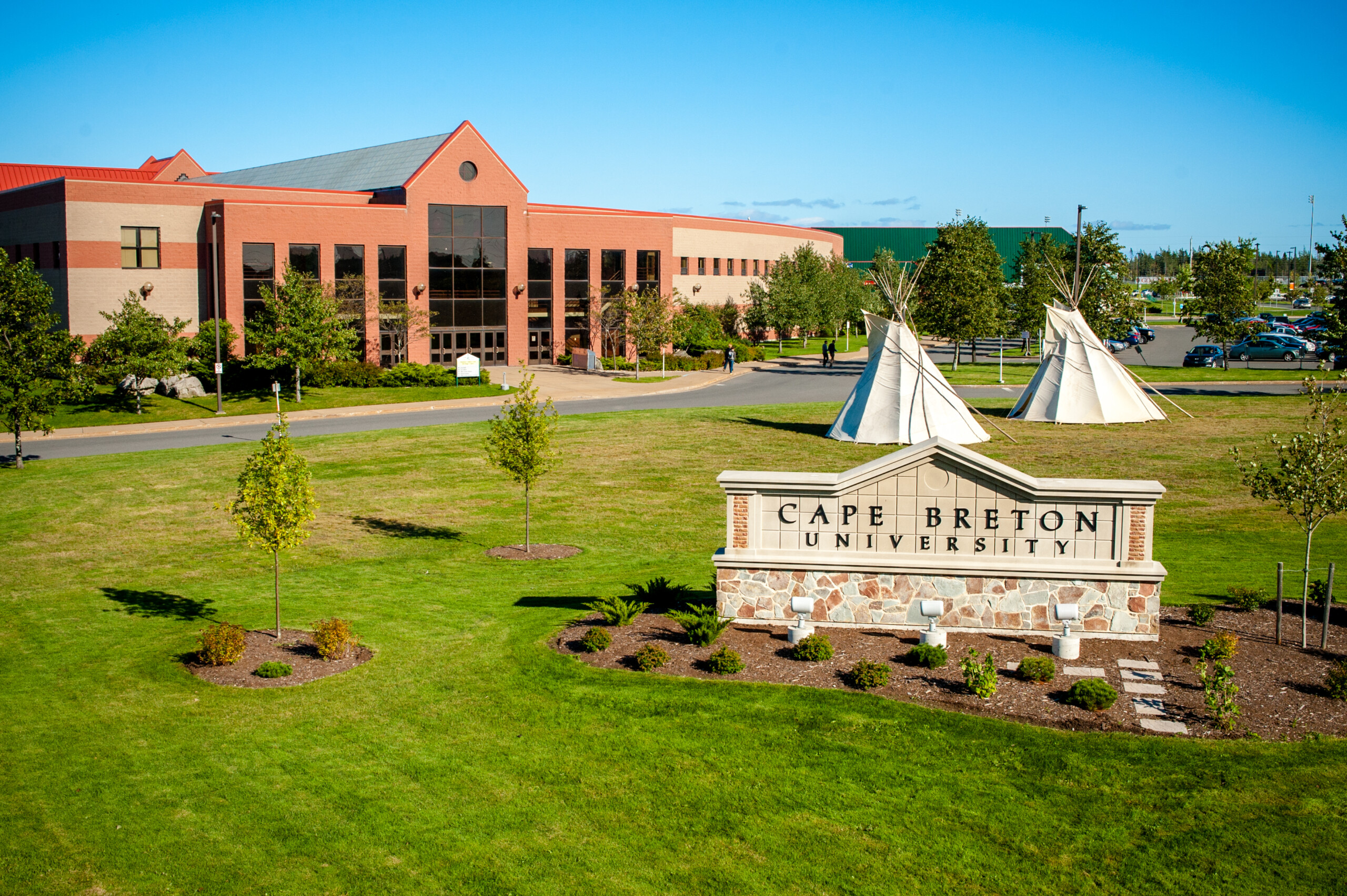
The Post Degree Bachelor of Engineering Technology - Petroleum at Cape Breton University (CBU) is designed for students who are passionate about the petroleum industry and its impact on modern society. This program equips students with essential skills and knowledge in the extraction, processing, and refinement of petroleum resources. With a strong emphasis on environmental protection, graduates are prepared to tackle the challenges faced in today’s oil and gas industry. CBU fosters a supportive learning environment, encouraging students to develop their unique skills while gaining a comprehensive understanding of the petroleum sector.
Program Structure
The Post Degree Bachelor of Engineering Technology - Petroleum program is structured to provide a robust educational experience. Key details include:
- Program Length: Typically completed in 2 years.
- Credits: The program requires a total of 120 credits for completion.
- Options: Students may have opportunities for co-op placements or internships to gain practical experience in the field.
This program is designed to ensure that students not only learn theoretical concepts but also apply their knowledge in real-world scenarios, preparing them for successful careers in the petroleum industry.
Featured Experiences
- Hands-on learning opportunities through co-op placements in the oil and gas sector.
- Access to state-of-the-art laboratories and equipment for practical training.
- Field experiences that provide insights into the petroleum extraction and processing processes.
- Collaboration with industry partners to enhance learning and job readiness.
Career Options
Graduates of the Post Degree Bachelor of Engineering Technology - Petroleum program can pursue various career paths in Canada, including:
- Petroleum Engineer: Focuses on the design and development of methods for extracting oil and gas from deposits below the earth's surface.
- Reservoir Engineer: Specializes in the analysis and management of oil and gas reservoirs to optimize production.
- Drilling Engineer: Responsible for planning and executing drilling operations to extract petroleum resources efficiently.
- Production Engineer: Works on the production phase of oil and gas extraction, ensuring that operations run smoothly and efficiently.
- Environmental Consultant: Advises companies on how to minimize their environmental impact and comply with regulations in the petroleum industry.
DISCLAIMER: The information above is subject to change. For the latest updates, please contact LOA Portal's advisors.
Visit CBU - Cape Breton University official website