Last updated on 2026-09-11








Program Overview
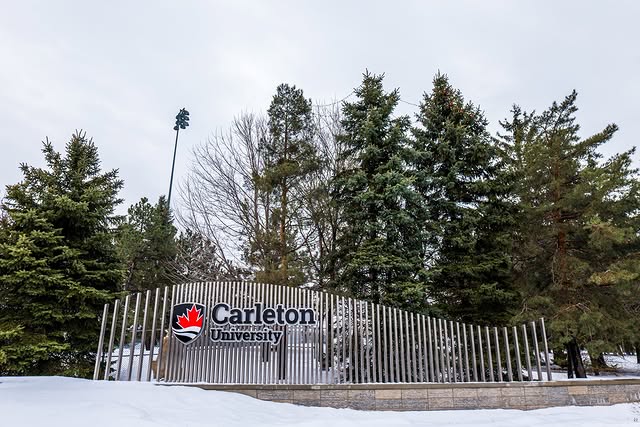
The Master of Engineering in Environmental Engineering at Carleton University is designed to focus on innovative research aimed at developing new technologies and practices. The program's primary goal is to ensure clean air, water, soil, and energy for a sustainable society. Students can also opt for a Collaborative Specialization in Climate Change, enhancing their learning experience and research opportunities. This program is offered through the Ottawa-Carleton Institute for Environmental Engineering, allowing students to benefit from resources and courses at both Carleton University and the University of Ottawa.
Program Structure
The Master of Engineering in Environmental Engineering program has a length of 1 to 2 years and offers flexible entry terms, including Fall, Summer, and Winter. Students are encouraged to apply early, with the Fall application deadline set for March 1. The program provides various pathway options, including:
- MASc – Thesis
- MEng – Research Project or Coursework
This structure allows students to tailor their educational experience according to their career goals and interests. The program also offers an alternative option for international students, which is the Masters in Engineering Practice (Environmental). This flexibility ensures that students can engage in a learning path that best suits their professional aspirations.
Featured Experiences
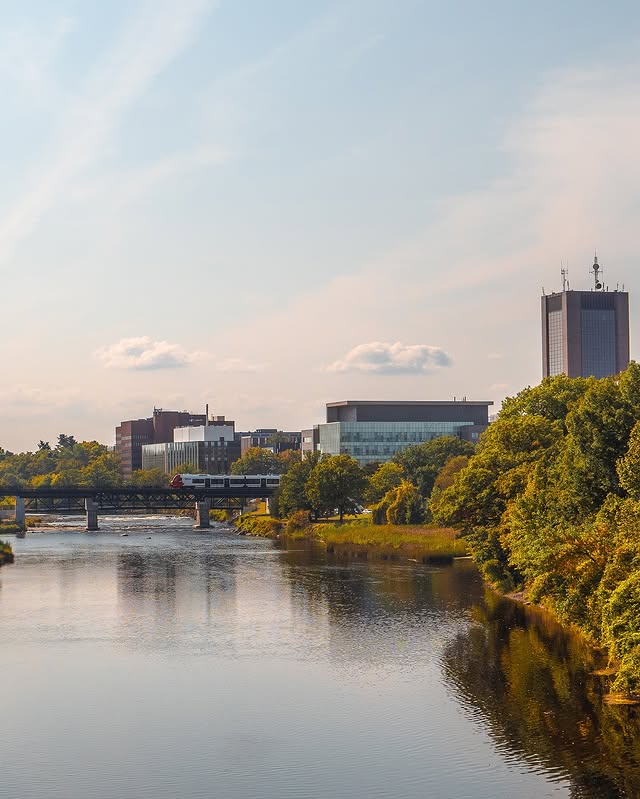
- Access to excellent federal government labs, including Environment Canada and Natural Resources Canada, due to Carleton's strategic location in Ottawa.
- Collaborative Specialization in Climate Change, providing students with additional expertise in a critical area of environmental engineering.
- Opportunities to engage in innovative research projects that focus on real-world environmental challenges.
- Joint programs with the University of Ottawa, enhancing the learning experience through diverse course offerings.
Career Options
Graduates of the Master of Engineering in Environmental Engineering can pursue a variety of career paths in Canada, including:
- Environmental Consultant: Advises organizations on how to minimize their environmental impact and comply with regulations.
- Water Resource Manager: Oversees the management and conservation of water resources, ensuring sustainable use and quality.
- Air Quality Specialist: Works on monitoring and improving air quality, developing strategies to reduce pollution.
- Waste Management Engineer: Designs and implements systems for the safe disposal and recycling of waste materials.
- Climate Change Analyst: Analyzes data and develops strategies to mitigate the effects of climate change on the environment.
DISCLAIMER: The information above is subject to change. For the latest updates, please contact LOA Portal's advisors.
Visit Carleton University official website