Last updated on 2026-09-11
Program Overview
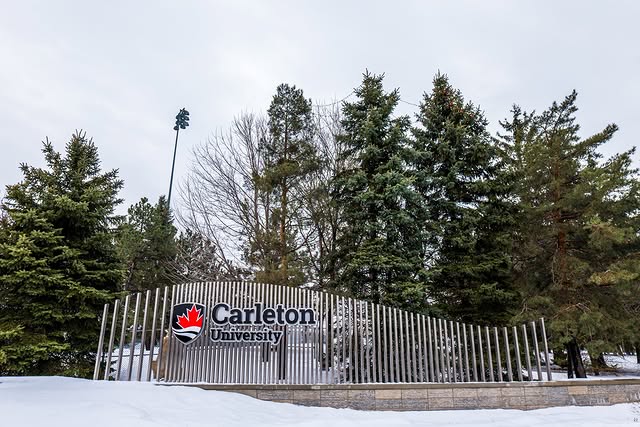
The Master of Engineering in Environmental Engineering Practice at Carleton University is designed to equip students with the skills and knowledge necessary to tackle pressing environmental challenges. This program emphasizes innovative research aimed at developing new technologies and practices that promote sustainability. Students will engage in projects that focus on ensuring clean air, water, soil, and energy for society. Additionally, students have the option to pursue a Collaborative Specialization in Climate Change, enhancing their expertise in this critical area.
Program Structure
The Master of Engineering in Environmental Engineering Practice offers a flexible program structure that can be completed in 1 to 2 years. Key details include:
- Degrees Offered: Master of Engineering (MEng) and Master of Applied Science (MASc)
- Entry Terms: Fall, Summer, Winter
- Pathway Options: MASc – Thesis; MEng – Research Project or Coursework
- Application Deadline: Fall applications are due by March 1, but students are encouraged to apply early.
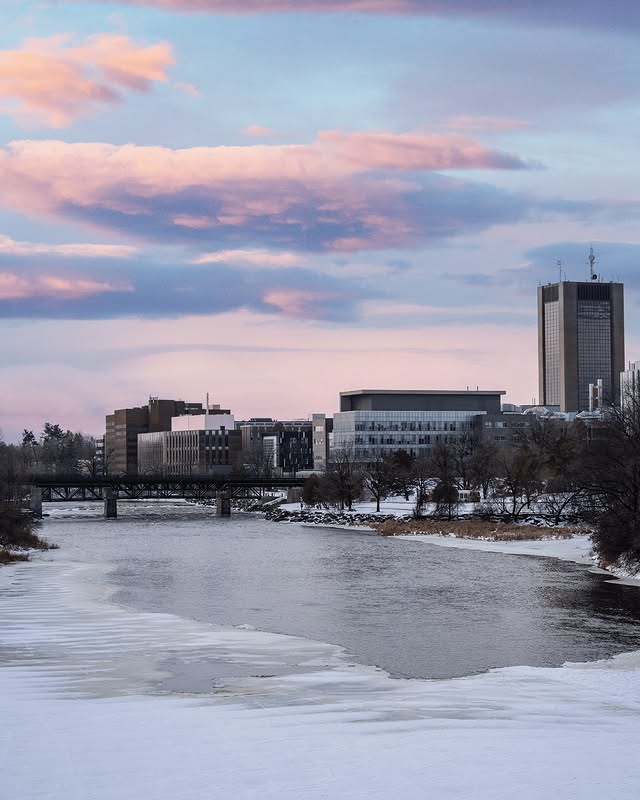
This program is offered through the Ottawa-Carleton Institute for Environmental Engineering, allowing students to take courses at both Carleton University and the University of Ottawa, providing a rich collaborative learning environment.
Featured Experiences
- Access to federal government labs, including Environment Canada and Natural Resources Canada, due to Carleton's strategic location in Ottawa.
- Opportunity to engage in innovative research projects that address real-world environmental issues.
- Collaborative Specialization in Climate Change available for students interested in this critical field.
Career Options
Graduates of the Master of Engineering in Environmental Engineering Practice can pursue a variety of career paths in Canada, including:
- Environmental Consultant: Advises organizations on how to minimize their environmental impact and comply with regulations.
- Water Resource Manager: Oversees the management and conservation of water resources, ensuring sustainable use.
- Air Quality Specialist: Works to monitor and improve air quality, developing strategies to reduce pollution.
- Waste Management Engineer: Designs and implements systems for the safe disposal and recycling of waste materials.
- Climate Change Analyst: Analyzes data and trends related to climate change, providing insights for policy and planning.
DISCLAIMER: The information above is subject to change. For the latest updates, please contact LOA Portal's advisors.
Visit Carleton University official website