Last updated on 2026-04-08

Program overview
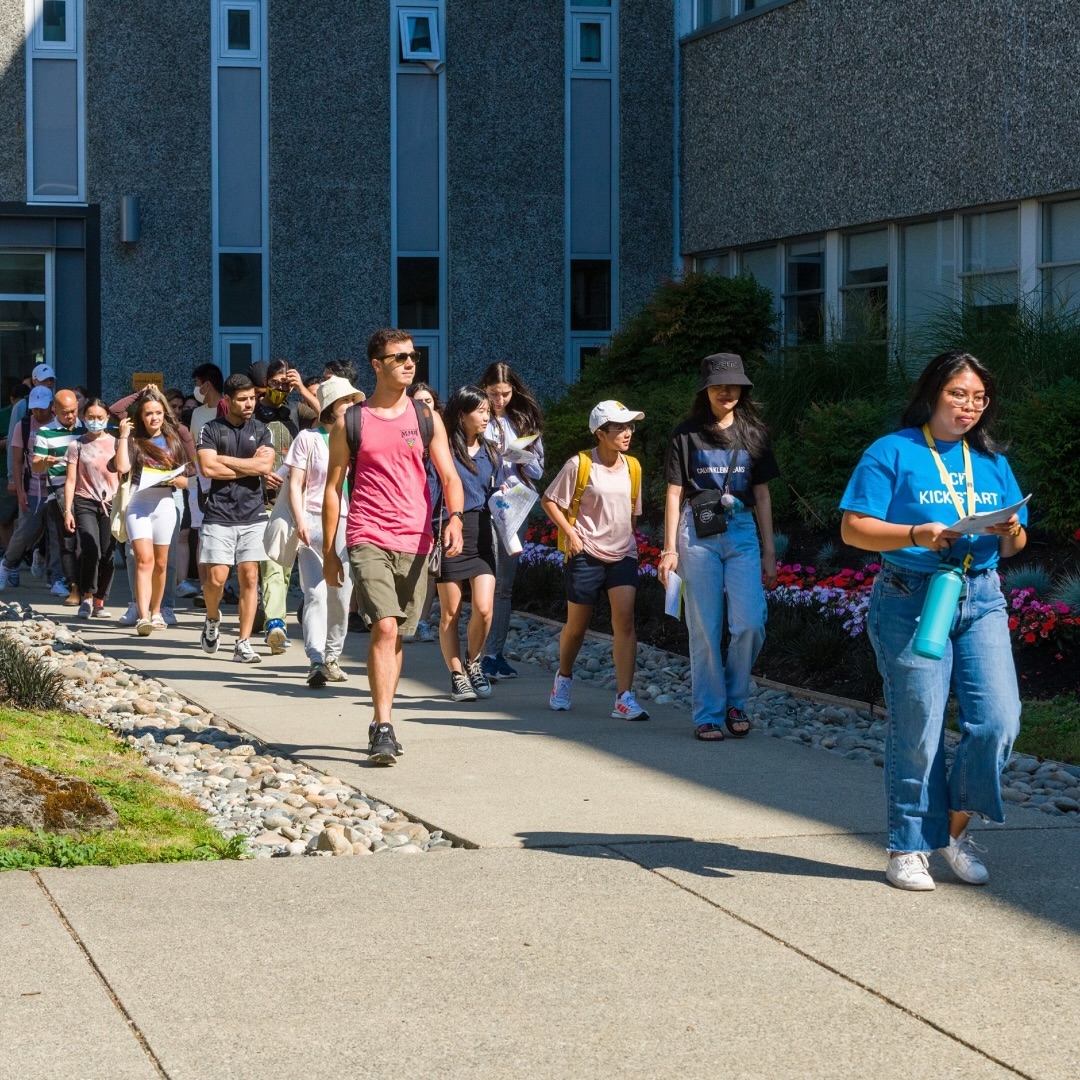
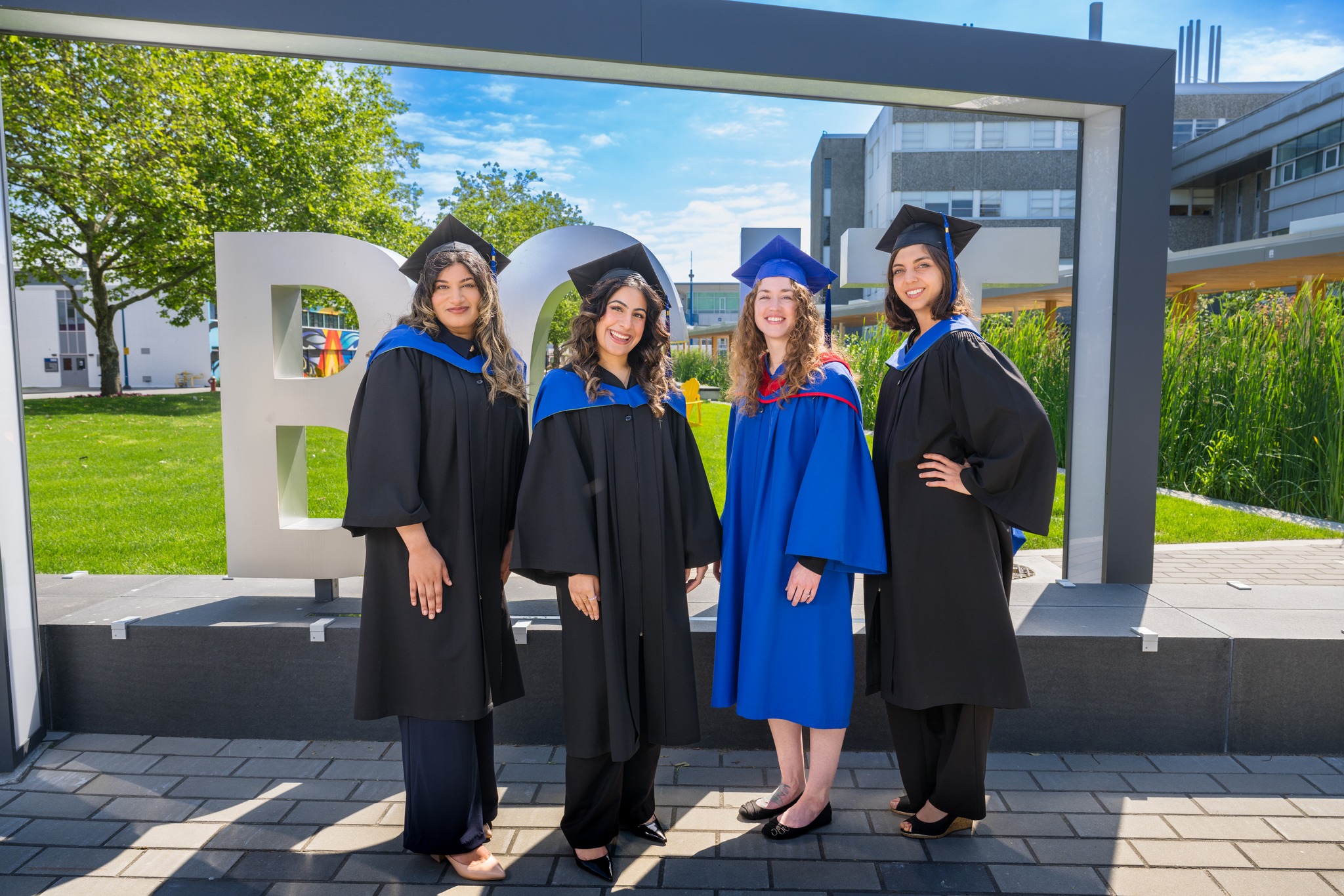
BCIT offers a Bachelor of Engineering in Mechanical Engineering, which is a full-time program designed to prepare graduates for successful professional practice. This program emphasizes both theoretical knowledge and hands-on practical skills, equipping students to tackle challenges in various industrial sectors. As a Mechanical Engineer, graduates will be well-positioned to contribute to addressing significant societal issues such as climate change and technological advancements. The program is delivered in person and spans four years, starting in September each year.
Program structure
The Bachelor of Engineering in Mechanical Engineering program at BCIT is structured to provide a comprehensive education over a four-year period. The program includes:
- In-person delivery on the Burnaby Campus.
- Hands-on experience in excellent labs with up-to-date equipment and software.
- Access to dedicated faculty with extensive engineering and industrial experience.
- Emphasis on engineering fundamentals, problem-solving, and lifelong learning skills.
- Capstone projects that allow students to apply their knowledge in practical settings.
Students can also opt for a Mechanical Engineering Practicum during the summer, which integrates academic studies with relevant work experience. The program is designed to ensure that graduates are job-ready and equipped with the skills necessary for successful careers in engineering.
Featured Experiences
The Mechanical Engineering program at BCIT offers several unique experiences that enhance the educational journey:
- Hands-on laboratory sessions that reinforce theoretical concepts.
- Capstone projects that allow students to work on real-world engineering problems.
- Access to excellent faculty who provide mentorship and guidance.
- Opportunities for internships and co-op placements to gain practical experience.
- Participation in engineering competitions, such as the Baja project, where students design and build vehicles.
These experiences are designed to prepare students for the challenges of the engineering field and to foster a strong sense of community among peers.
Career Options
Graduates of the Bachelor of Engineering in Mechanical Engineering program can pursue a variety of career paths in Canada, including:
- Mechanical Engineer: Design and develop mechanical systems and components, ensuring they meet performance and safety standards.
- Project Engineer: Manage engineering projects from conception to completion, coordinating teams and resources to achieve project goals.
- Design Engineer: Focus on creating and testing new products, utilizing CAD software and engineering principles to innovate solutions.
- Manufacturing Engineer: Oversee production processes, improving efficiency and quality in manufacturing operations.
- Research and Development Engineer: Conduct research to develop new technologies and improve existing products, often working in collaboration with cross-functional teams.
These roles are critical in various industries, including energy, manufacturing, automotive, and aerospace, providing graduates with diverse opportunities to make a significant impact in their fields.
DISCLAIMER: The information above is subject to change. For the latest updates, please contact LOA Portal's advisors.
Visit British Columbia Institute of Technology (BCIT) official website