Last updated on 2025-03-18

Program Overview
The Bachelor of Applied Science in General Engineering at the University of Windsor is designed to help students find their engineering focus. All engineering programs begin with a general first year, allowing students to explore various fields such as civil, environmental, electrical, industrial, and mechanical engineering. This flexibility enables students to make informed decisions about their area of study for the second year. With guidance from world-renowned faculty and hands-on learning experiences, students will develop the essential skills needed for a successful career in engineering.
Program Structure
The Bachelor of Applied Science in General Engineering is structured to provide a comprehensive educational experience. Key details include:
- Program Length: 4 years
- Credits: The program requires a total of 120 credits for completion.
- First Year: A general first year that covers foundational engineering subjects.
- Options: Co-op opportunities are available, allowing students to gain practical experience.
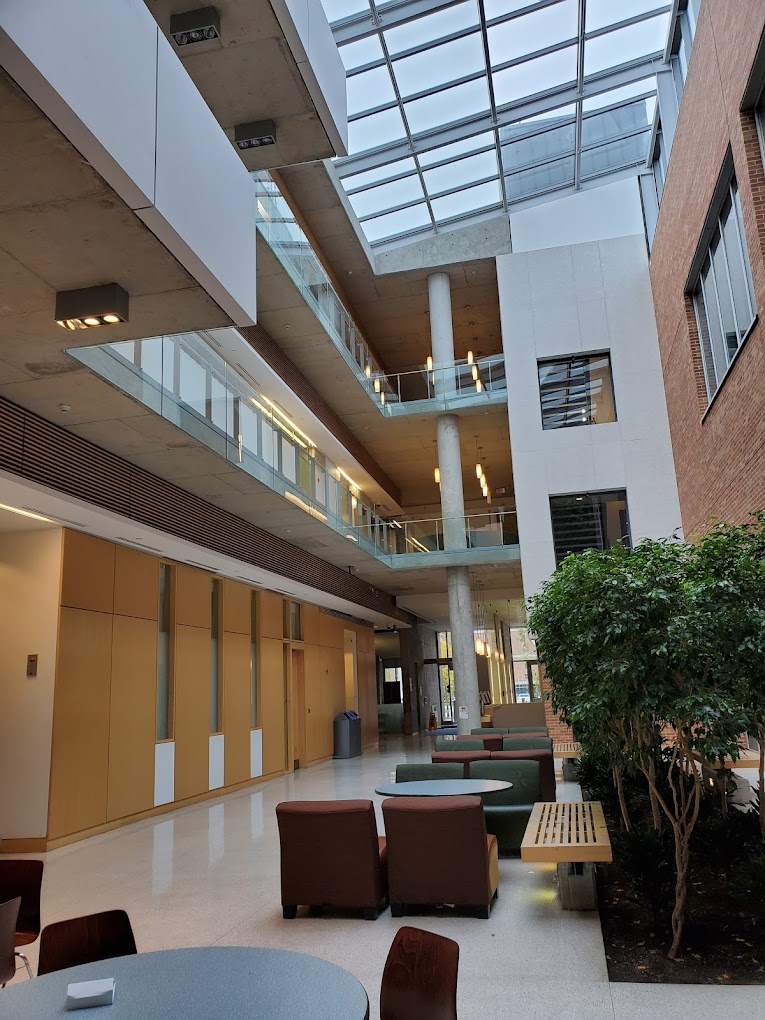
This program emphasizes hands-on learning in small class settings, ensuring personalized attention and support from faculty. Students will have access to state-of-the-art educational spaces that provide real-world learning opportunities.
Featured Experiences
- Co-op placements available, with over 450 engineering student placements in Canada and worldwide.
- Access to more than 80 research labs and centers.
- Small class sizes for a more engaging and hands-on learning experience.
- Guidance from industry leaders during the first year to help students explore various engineering fields.
- State-of-the-art educational facilities that enhance real-world learning opportunities.
Career Options
Graduates of the Bachelor of Applied Science in General Engineering can pursue a variety of career paths in Canada, including:
- Manufacturing Engineer: Focuses on designing and improving manufacturing processes to enhance efficiency and productivity.
- Aerospace Engineer: Works on the design, development, and testing of aircraft and spacecraft.
- Renewable Energy Engineer: Specializes in developing technologies and systems that harness renewable energy sources.
- Systems Engineer: Responsible for designing and managing complex systems over their life cycles.
- Environmental Engineer: Works on projects aimed at improving environmental quality and sustainability.
These career options reflect the diverse opportunities available to graduates, equipping them with the skills to succeed in various engineering fields.
DISCLAIMER: The information above is subject to change. For the latest updates, please contact LOA Portal's advisors.
Visit University of Windsor official website