Last updated on 2025-03-18

Program Overview
The Bachelor of Applied Science (Honours) in Civil Engineering is designed to equip students with the essential skills and knowledge required for a successful career in civil engineering. This program emphasizes a comprehensive understanding of engineering principles, practical applications, and innovative problem-solving techniques. Students will engage in a variety of learning experiences that prepare them for the challenges of the engineering field. The program also offers a co-op option, allowing students to gain valuable work experience while completing their degree.
Program Structure
The Bachelor of Applied Science (Honours) in Civil Engineering program is structured to provide a robust educational foundation in engineering. Key details include:
- Program Length: Typically completed in four years.
- Credits: The program requires a total of 120 credits.
- Co-op Option: Students have the opportunity to participate in a co-op program, gaining hands-on experience in the field.
- Course Requirements: Students must complete a minimum of eight undergraduate courses, with at least six being upper-year courses (300 or 400 level).
Students are encouraged to select courses that align with their career goals and interests, ensuring a personalized educational experience.
Featured Experiences
- Co-op Program: Provides students with real-world experience in civil engineering roles.
- Laboratory Facilities: Access to state-of-the-art labs for practical learning and experimentation.
- Field Experience: Opportunities to engage in fieldwork, enhancing practical skills and knowledge.
- Joint Partner Programs: Collaborations with industry partners for enhanced learning and networking opportunities.
Career Options
Graduates of the Bachelor of Applied Science (Honours) in Civil Engineering can pursue a variety of career paths in Canada, including:
- Civil Engineer: Design and oversee construction projects, ensuring compliance with regulations and safety standards.
- Structural Engineer: Focus on the design and analysis of structures, ensuring they can withstand various loads and stresses.
- Transportation Engineer: Plan and design transportation systems, including roads, bridges, and public transit.
- Environmental Engineer: Work on projects that improve environmental quality and sustainability, addressing issues like waste management and pollution control.
- Project Manager: Oversee engineering projects from conception to completion, managing budgets, timelines, and team coordination.
DISCLAIMER: The information above is subject to change. For the latest updates, please contact LOA Portal's advisors.
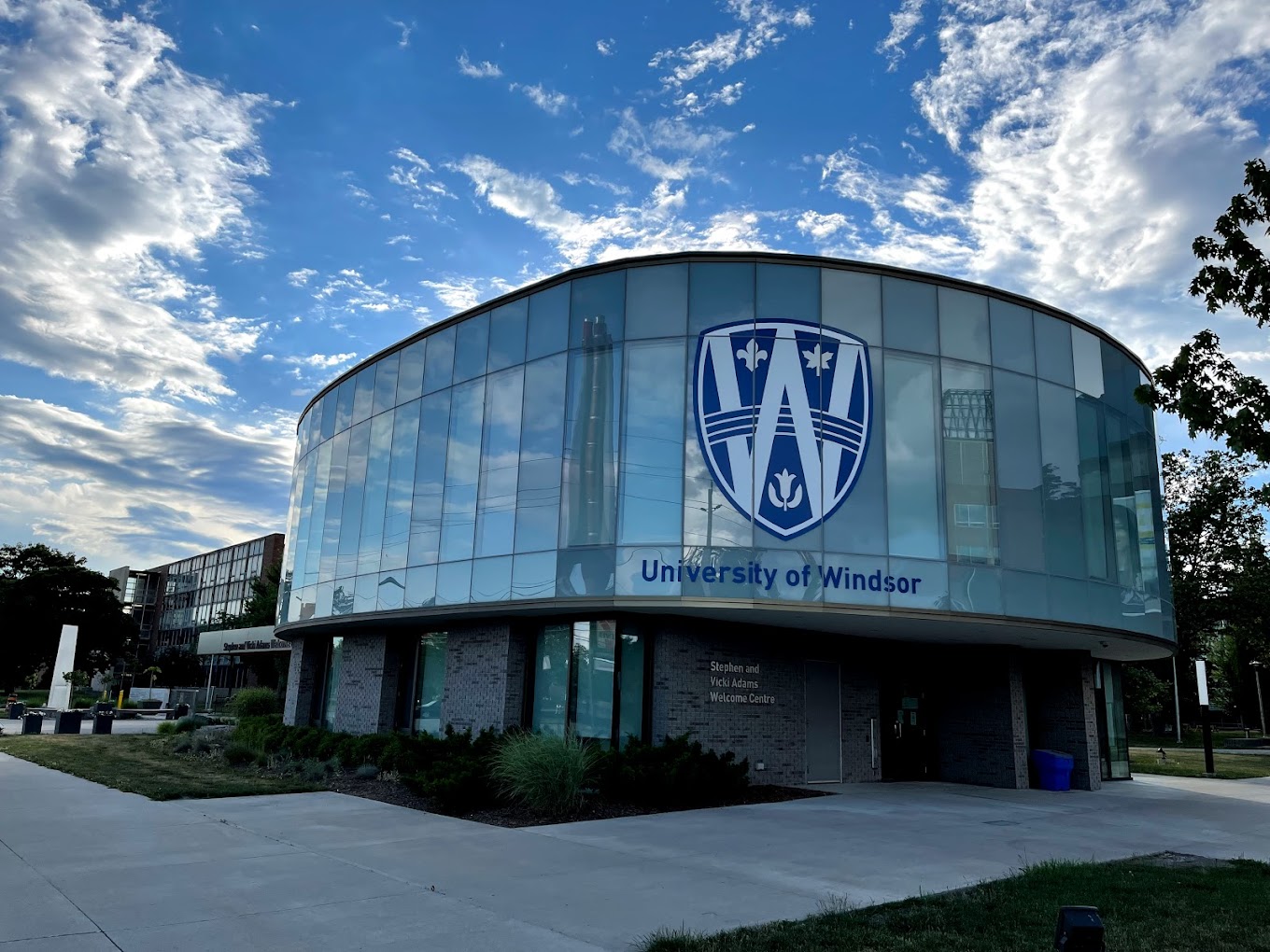
Visit University of Windsor official website