Last updated on 2025-11-14

Program Overview
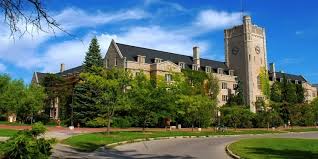
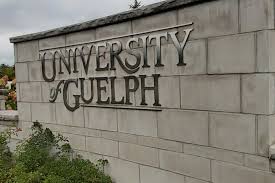
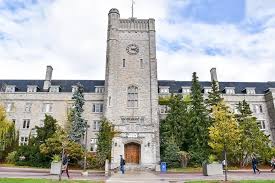
The Bachelor of Indigenous Environmental Science and Practice (BIESP) degree at the University of Guelph is designed to focus on environmental science, technology, management, land-use, and policy development practices that are deeply rooted in Indigenous ways of knowing and being. This program aims to challenge traditional environmental protection practices in Canada and encourages students to create a more respectful and responsive world for all beings. By embracing Indigenous methodologies and worldviews, students will gain the skills and experiences necessary to make a significant impact in the field of environmental science across Canada.
Program Structure
The Bachelor of Indigenous Environmental Science and Practice program is structured as a five-year program that includes four co-op work terms. This unique structure provides students with valuable opportunities to work with a diverse range of employers, including:
- First Nation communities
- Consulting firms
- Municipal, provincial, and federal organizations
The co-op component is designed to facilitate the transition from academic studies to a professional career, enhancing students' job search skills, work performance, and networking abilities. Additionally, the program emphasizes learning through field trips to Indigenous communities, land-based instruction, interactive labs, and participation in discussion circles and ceremonies. Students will also have the opportunity to learn from Indigenous Elders and Knowledge Holders, ensuring a comprehensive educational experience that blends theoretical and applied aspects of environmental science.
Featured Experiences
The Bachelor of Indigenous Environmental Science and Practice program offers several unique features that enhance the learning experience:
- Co-op opportunities with various employers, including First Nation communities and government organizations.
- Field trips to Indigenous communities and organizations for hands-on learning.
- Land-based instruction that connects students with the environment.
- Interactive labs that promote practical skills in environmental science.
- Participation in discussion circles and ceremonies to deepen understanding of Indigenous perspectives.
- Learning from Indigenous Elders and Knowledge Holders, enriching the educational journey.
Career Options
Graduates of the Bachelor of Indigenous Environmental Science and Practice program can pursue a variety of career paths in Canada, including:
- Environmental Scientist: Conduct research and analyze data to address environmental issues.
- Environmental Analyst or Consultant: Provide expert advice on environmental policies and practices.
- Environmental Policy Maker: Develop and implement policies that promote sustainable environmental practices.
- Conservation Officer: Enforce laws and regulations to protect wildlife and natural resources.
- Environmental Law and Advocacy: Work on legal issues related to environmental protection and sustainability.
- Environmental Educator or Interpreter: Teach others about environmental issues and promote awareness.
- Resource or Land Manager: Oversee the sustainable use and management of natural resources.
DISCLAIMER: The information above is subject to change. For the latest updates, please contact LOA Portal's advisors.
Visit University of Guelph official website