Last updated on 2025-11-14
Program Overview
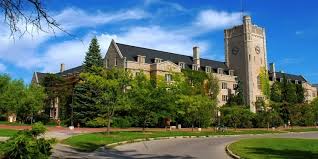
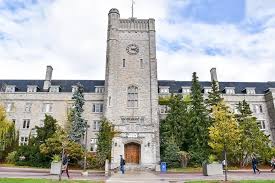
The Bachelor of Engineering in Environmental Engineering at the University of Guelph is designed to equip students with the skills necessary to address the pressing environmental challenges of our time. This program emphasizes the importance of minimizing and preventing the impact of human activities on essential natural systems, including water, soil, and air. Through a unique combination of engineering and environmental courses, students will also explore humanistic and social perspectives, preparing them for a career in a field that is increasingly vital to our planet's health.
Program Structure
The Bachelor of Engineering in Environmental Engineering is structured to provide a comprehensive educational experience over a five-year period. The program includes:
- Five work terms as part of the co-op program, allowing students to gain practical experience.
- Elective concentrations in areas such as water/wastewater treatment design, air emission control, watershed system design, and remote sensing/GIS.
- Interdisciplinary design courses that foster collaboration and teamwork.
This program is designed to facilitate a smooth transition from academic studies to a professional career, enhancing students' job search skills, work performance, and networking abilities.
Featured Experiences
- Co-op program integrated into the curriculum, providing five work terms for hands-on experience.
- Interdisciplinary projects that emphasize collaboration and teamwork.
- Unique elective concentrations allowing students to tailor their education to specific interests.
- Opportunities to engage in sustainable research and learning, preparing students for real-world environmental challenges.
Career Options
Graduates of the Bachelor of Engineering in Environmental Engineering can pursue a variety of career paths in Canada, including:
- Environmental Consultant: Advises organizations on how to minimize their environmental impact and comply with regulations.
- Air Quality Engineer: Works on projects to monitor and improve air quality, ensuring compliance with environmental standards.
- Waste Management Engineer: Designs systems for the efficient disposal and recycling of waste materials.
- Sustainable Design Engineer: Develops innovative solutions that promote sustainability in engineering projects.
- Climate Change Analyst: Analyzes data and trends related to climate change to inform policy and strategy.
- Renewable Energy Engineer: Focuses on the development and implementation of renewable energy technologies.
- Water Treatment Engineer: Designs and oversees systems for treating and distributing clean water.
- Soil and Water Conservationist: Works to protect and manage soil and water resources sustainably.
- Soil Remediation Engineer: Develops methods to clean up contaminated soil and restore it to a usable state.
- Ecological Engineer: Designs projects that integrate human activities with natural ecosystems.
DISCLAIMER: The information above is subject to change. For the latest updates, please contact LOA Portal's advisors.
Visit University of Guelph official website