Last updated on 2025-11-14


Program Overview
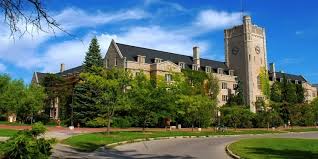
The Bachelor of Bio-Resource Management in Environmental Management at the University of Guelph is designed to bridge the gap between business practices and environmental stewardship. This program equips students with the necessary skills to make impactful leadership and management decisions that positively affect the environment. By focusing on real-world environmental issues, students gain up-to-date knowledge and problem-solving abilities, allowing them to specialize in areas that align with their interests.
Program Structure
The Bachelor of Bio-Resource Management in Environmental Management is structured to provide a comprehensive educational experience over a five-year period. This program includes:
- Four co-op work terms, allowing students to gain practical experience in various professional settings.
- Field trips and independent research projects to enhance hands-on learning.
- A blend of environmental science and business training, preparing students for leadership roles.
Students can expect to engage in experiential learning opportunities that will expand their knowledge and skills, making them well-prepared for their future careers.
Featured Experiences
- Co-op program integrated into the curriculum, providing real-world work experience.
- Field trips that offer practical exposure to environmental management practices.
- Independent research projects that allow students to explore specific interests in depth.
- Access to a variety of employers during co-op placements, enhancing networking opportunities.
Career Options
Graduates of the Bachelor of Bio-Resource Management in Environmental Management can pursue a variety of rewarding careers in Canada, including:
- Sustainability Officer: Focuses on developing and implementing sustainable practices within organizations.
- Environmental Protection Officer: Works to enforce environmental regulations and protect natural resources.
- Environmental Policy Analyst: Analyzes and develops policies related to environmental issues and regulations.
- Environmental Consultant: Provides expert advice to organizations on environmental best practices and compliance.
- Restoration Ecologist: Works on projects aimed at restoring and rehabilitating damaged ecosystems.
- Environmental Surveyor: Conducts surveys to assess environmental conditions and impacts.
- GIS Technician: Utilizes Geographic Information Systems to analyze spatial data related to environmental management.
DISCLAIMER: The information above is subject to change. For the latest updates, please contact LOA Portal's advisors.
Visit University of Guelph official website