Last updated on 2025-11-14


Program overview
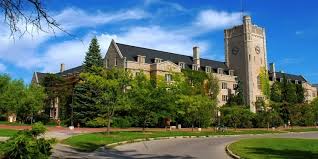
The Environmental Biology major at the University of Guelph is designed to provide students with a comprehensive understanding of environmental issues and the ability to develop solutions. This program emphasizes the interactions between organisms, such as plants, insects, fungi, and bacteria, and their physical environment, including water and soils. Students will explore the impacts of human activity on these interactions and learn to address complex environmental challenges through innovative approaches like bioremediation and waste management.
Program structure
The Bachelor of Science in Environmental Biology is a flexible program that allows students to tailor their studies according to their interests. The program is structured to include:
- Program Length: Typically spans four years.
- Hands-on learning experiences through labs and field courses.
- Opportunities for independent research projects.
- Focus on various topics such as biodiversity, conservation, and climate change.
This program also encourages students to engage in unique research facilities, enhancing their practical skills and knowledge in environmental biology.
Featured Experiences
- Hands-on learning through labs and field courses.
- Independent research projects that allow for exploration of specific interests.
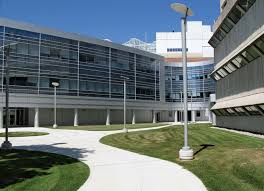
- Access to unique research facilities that support innovative studies.
- Flexible program design that accommodates various areas of interest.
Career Options
- Environmental Consultant: Advises organizations on how to minimize their environmental impact and comply with regulations.
- Wildlife Biologist: Studies animals and their habitats, focusing on conservation and management of wildlife populations.
- Ecologist: Researches ecosystems and the relationships between organisms and their environment to inform conservation efforts.
- Environmental Educator: Teaches communities about environmental issues and promotes sustainable practices.
- Conservation Scientist: Works to protect natural resources and manage land use for conservation purposes.
DISCLAIMER: The information above is subject to change. For the latest updates, please contact LOA Portal's advisors.
Visit University of Guelph official website