Last updated on 2026-09-08























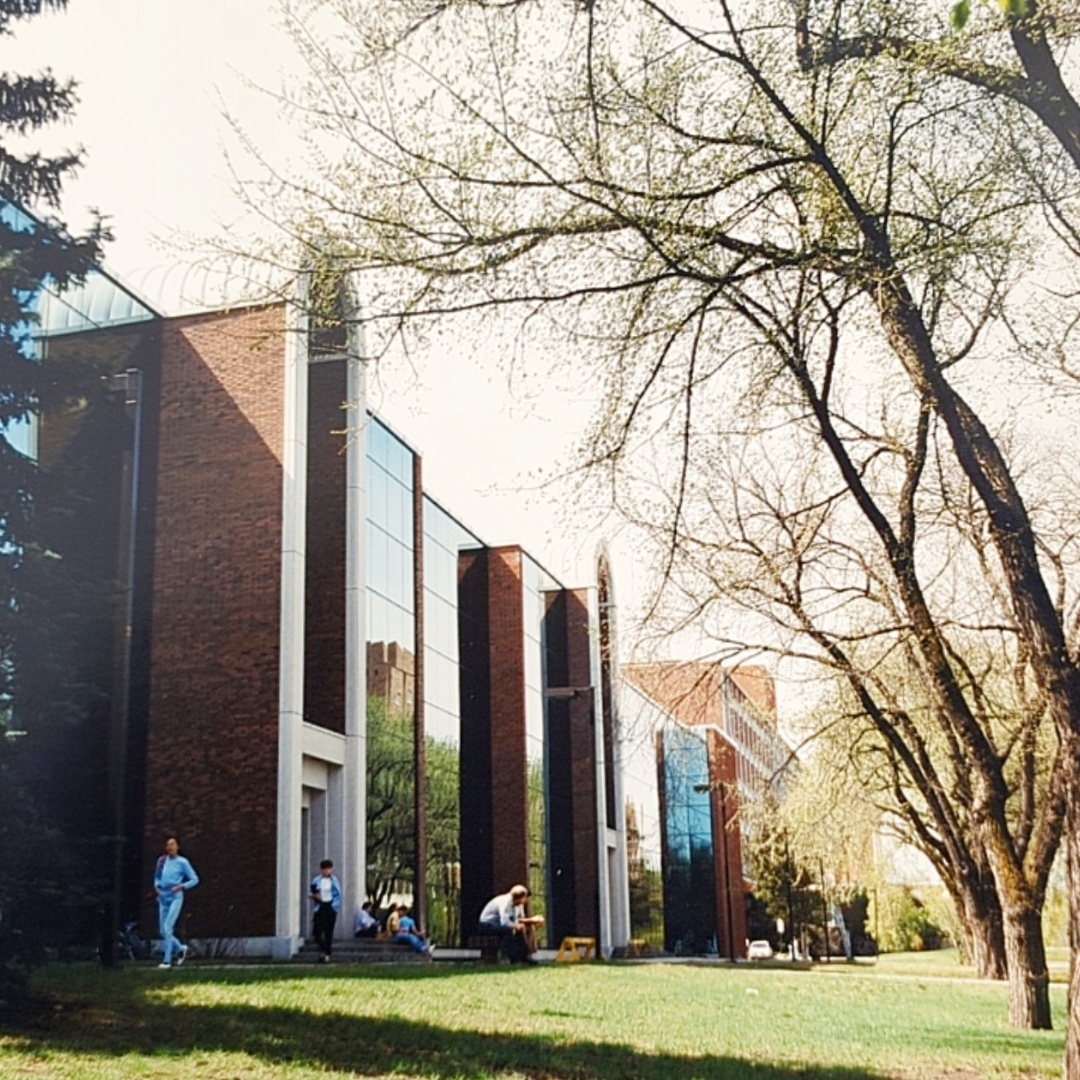

Program Overview
The Bachelor of Science with Major in Neuroscience is an interdisciplinary program offered jointly by the Faculty of Science and the Neuroscience and Mental Health Institute. This program delves into various aspects of brain function, including brain development, nerve cells and synapses, sensation and perception, learning and memory, control of movement, animal behavior, cognitive psychology, and disorders of the nervous system. It is designed to provide students with a comprehensive understanding of neuroscience, preparing them for various career paths in this exciting field.
Program Structure
The Bachelor of Science with Major in Neuroscience is a highly customizable degree program that allows students to tailor their education according to their interests. The program offers the following features:
- Program Length: Typically spans over four years.
- Students can opt for a minor or double major, providing flexibility in their studies.
- Students have the option to choose from over 60 subjects for their minor, including offerings from the Faculty of Arts, Native Studies, Business, or Agricultural, Life & Environmental Sciences.
- Opportunities for undergraduate research are available, enhancing the learning experience.
This structure allows students to either maintain a broad focus or specialize in a particular area of neuroscience, making it an ideal choice for those passionate about the field.
Featured Experiences
- Jointly offered by the Faculty of Science and the Neuroscience and Mental Health Institute, providing a well-rounded educational experience.
- Access to state-of-the-art teaching and learning facilities.
- Opportunities for undergraduate research, allowing students to engage in hands-on learning.
- Possibility to participate in various extracurricular activities related to health and wellness.
Career Options
Graduates of the Bachelor of Science with Major in Neuroscience can pursue a variety of career paths in Canada, including:
- Biochemist: Conducts research on the chemical processes within and related to living organisms.
- Forensic Psychologist: Applies psychological principles to legal issues, often working with law enforcement.
- Neurobiologist: Studies the biology of the nervous system, focusing on the brain and its impact on behavior.
- Laboratory Technician: Assists in laboratory experiments and analyses, often in medical or research settings.
- Pharmaceutical Researcher: Engages in the development and testing of new medications and therapies.
These career options highlight the diverse opportunities available to graduates, making this program a valuable investment in their future.
DISCLAIMER: The information above is subject to change. For the latest updates, please contact LOA Portal's advisors.
Visit University of Alberta official website