





Program overview
The Bachelor of Health Sciences (Honours) program is designed to provide students with a comprehensive understanding of health sciences. This program emphasizes the integration of scientific knowledge with practical applications in health-related fields. Students will explore various aspects of health, including biological, social, and environmental factors that influence health outcomes. The curriculum is structured to foster critical thinking, research skills, and a strong foundation in health sciences, preparing graduates for diverse career opportunities in the health sector.
Program structure
The Bachelor of Health Sciences (Honours) program is structured to ensure a well-rounded education in health sciences. The program is designed to be completed in a four-year timeframe, allowing students to immerse themselves in both theoretical and practical aspects of health sciences.
Key features of the program structure include:
- Comprehensive coursework covering various health science disciplines.
- Opportunities for hands-on learning through practical experiences.
- Options for co-op placements or internships to gain real-world experience.
- Research opportunities to engage in health-related projects.
Featured Experiences
The Bachelor of Health Sciences (Honours) program offers a variety of unique experiences that enhance learning and professional development. These experiences include:
- Co-op placements that provide students with valuable work experience in health-related settings.
- Laboratory work that allows students to apply theoretical knowledge in practical situations.
- Field experiences that expose students to real-world health challenges and solutions.
- Joint partner programs with health organizations for collaborative learning opportunities.
Career Options
Graduates of the Bachelor of Health Sciences (Honours) program can pursue a variety of career paths in Canada. Some potential job options include:
- Health Educator: Develops programs and materials to educate communities about health and wellness.
- Public Health Analyst: Analyzes data and trends to inform public health policies and initiatives.
- Clinical Research Coordinator: Manages clinical trials and research studies to advance medical knowledge.
- Health Policy Advisor: Works with government and organizations to shape health policies and regulations.
- Community Health Worker: Provides support and resources to individuals and families to improve their health outcomes.
DISCLAIMER: The information above is subject to change. For the latest updates, please contact LOA Portal's advisors.
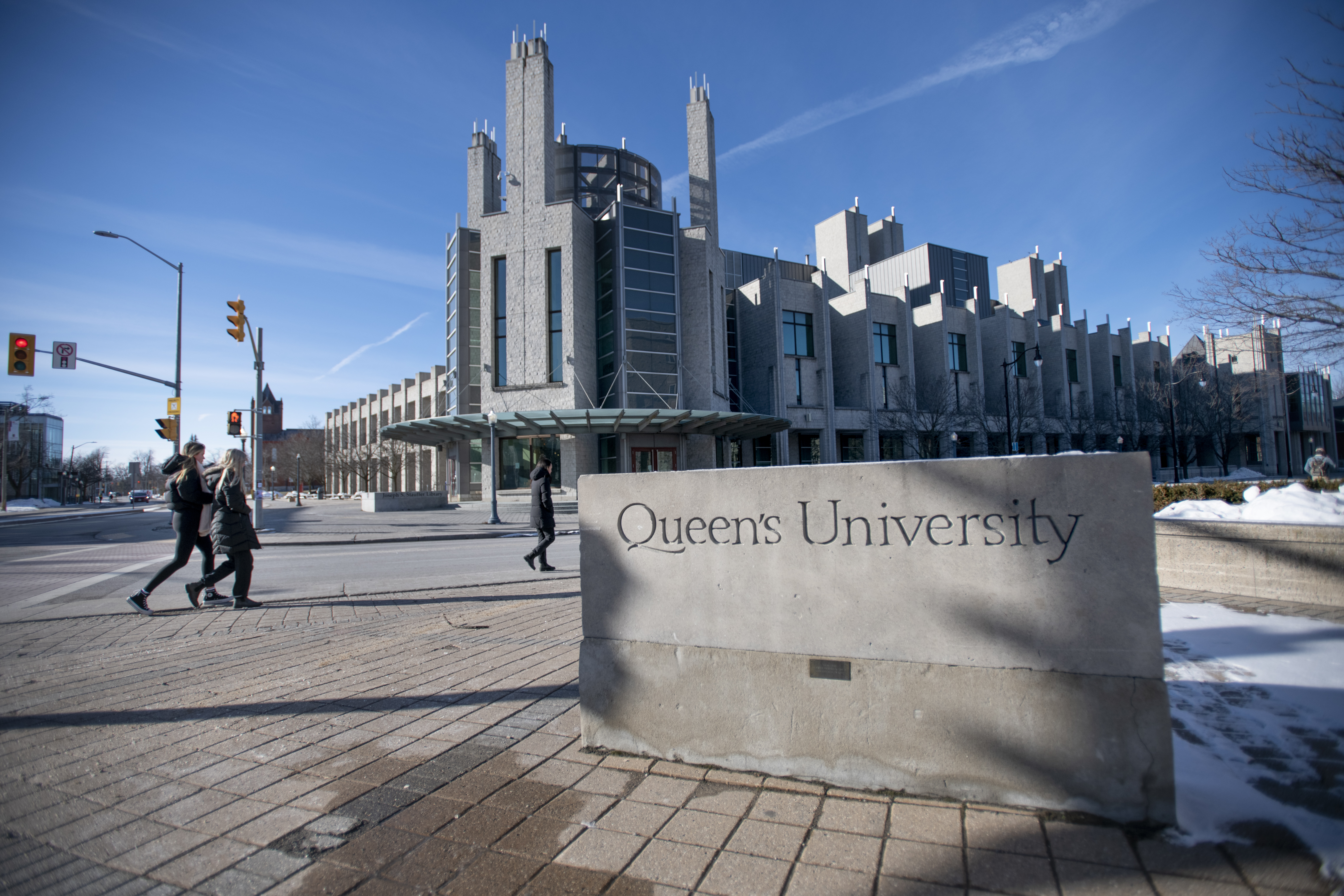
Visit Queen's University official website