Last updated on 2026-10-01





Program overview
Practice hands-on learning in Canada's only accredited Manufacturing Engineering program of its kind and develop skills in additive, subtractive, and traditional manufacturing. This unique program emphasizes the design, development, planning, improvement, and application of advanced manufacturing processes. Developed in consultation with industry, the curriculum provides a solid grounding in the fundamentals of mathematics, computing, and science, with significant content in engineering sciences and design. You’ll learn about advances in materials and composites, robotics, automation, and intelligent controls while considering the integration between tools, processes, and equipment with cutting-edge manufacturing facilities and systems.
Program structure
The Manufacturing Engineering program is designed to provide a comprehensive education in engineering principles and practices. The program structure includes:
- Program Length: Four or five years
- Full-time study
- In-class delivery method
- Start dates in January and September
- Direct-entry co-op option available
- Capstone project to apply learned skills in real-world scenarios
This program also offers a specialization in Railway Engineering, focusing on the design, construction, and operation of modern rail systems. Students will gain career-ready skills in infrastructure, signaling, and transportation planning.
Featured Experiences
- Hands-on learning in Canada's only accredited Manufacturing Engineering program.
- Direct-entry co-op program providing full-time, paid employment opportunities.
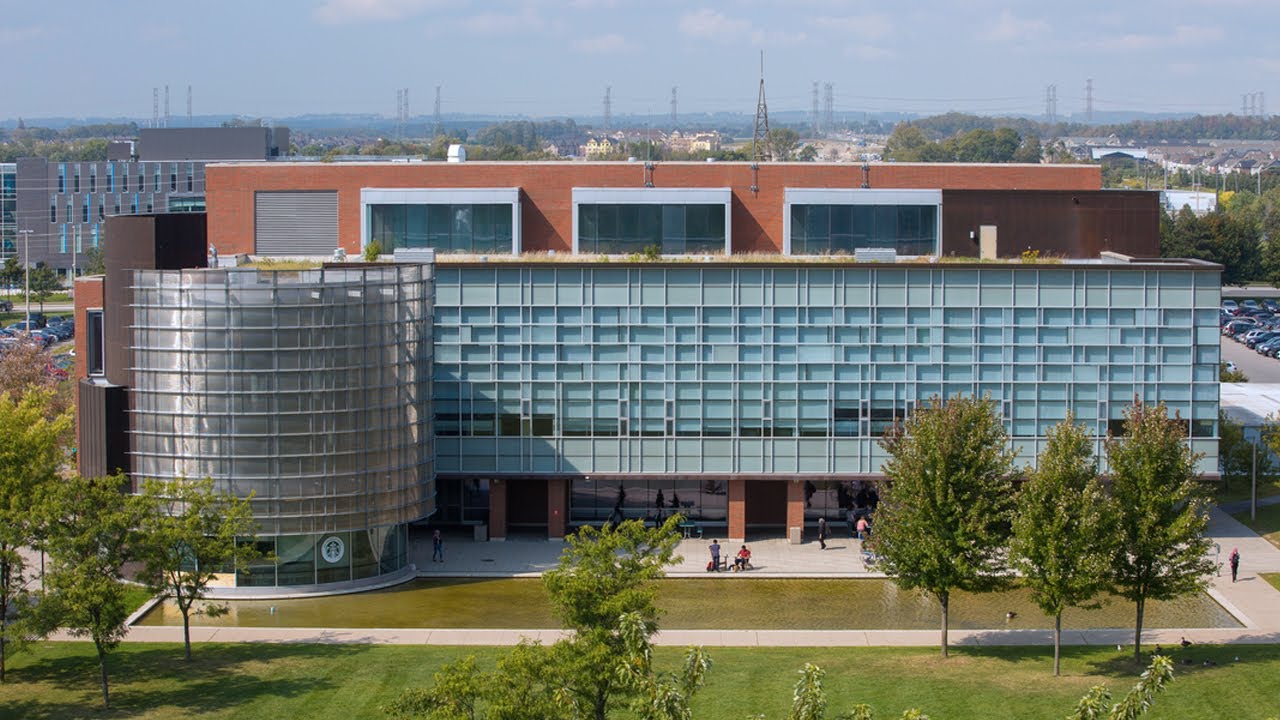
- Access to modern facilities, including the Manufacturing and Control Systems Lab and Rapid Prototyping Lab.
- Capstone project to integrate and apply engineering knowledge.
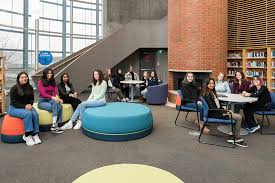
- Women in Engineering support program to help female students transition into engineering careers.
Career Options
- Manufacturing Engineer: Design and improve manufacturing processes and systems.
- Industrial Engineer: Optimize complex processes and systems to enhance productivity.
- Mechanical Engineer: Develop and test mechanical devices and systems.
- Robotics Engineer: Design and build robotic systems for various applications.
- Automation Engineer: Implement automated systems to improve efficiency in manufacturing.
- Enterprise Systems Specialist: Manage and optimize enterprise resource planning systems.
- Systems Engineer: Oversee the development and integration of complex systems.
- Software Engineer: Develop software solutions for engineering applications.
DISCLAIMER: The information above is subject to change. For the latest updates, please contact LOA Portal's advisors.
Visit Ontario Tech University official website